An Introduction to Nutrition in the Nutrition Course
Learn to design balanced, nutritious, tasty diets by life stage, read nutrition labels, plan for weight loss and exercise, and help prevent common diseases.
Watch Video For Onlinecourses55
|
2026-10-02
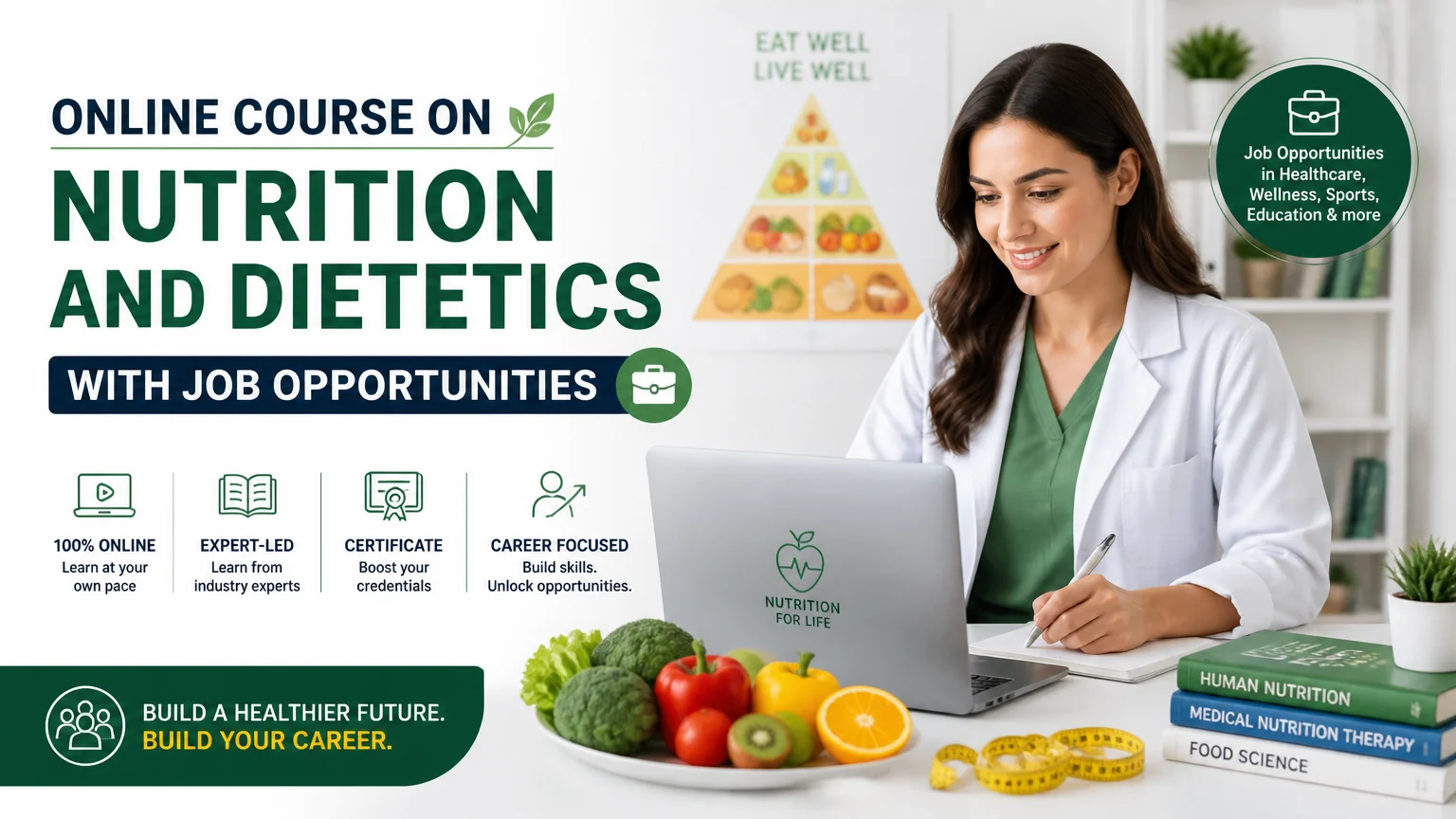
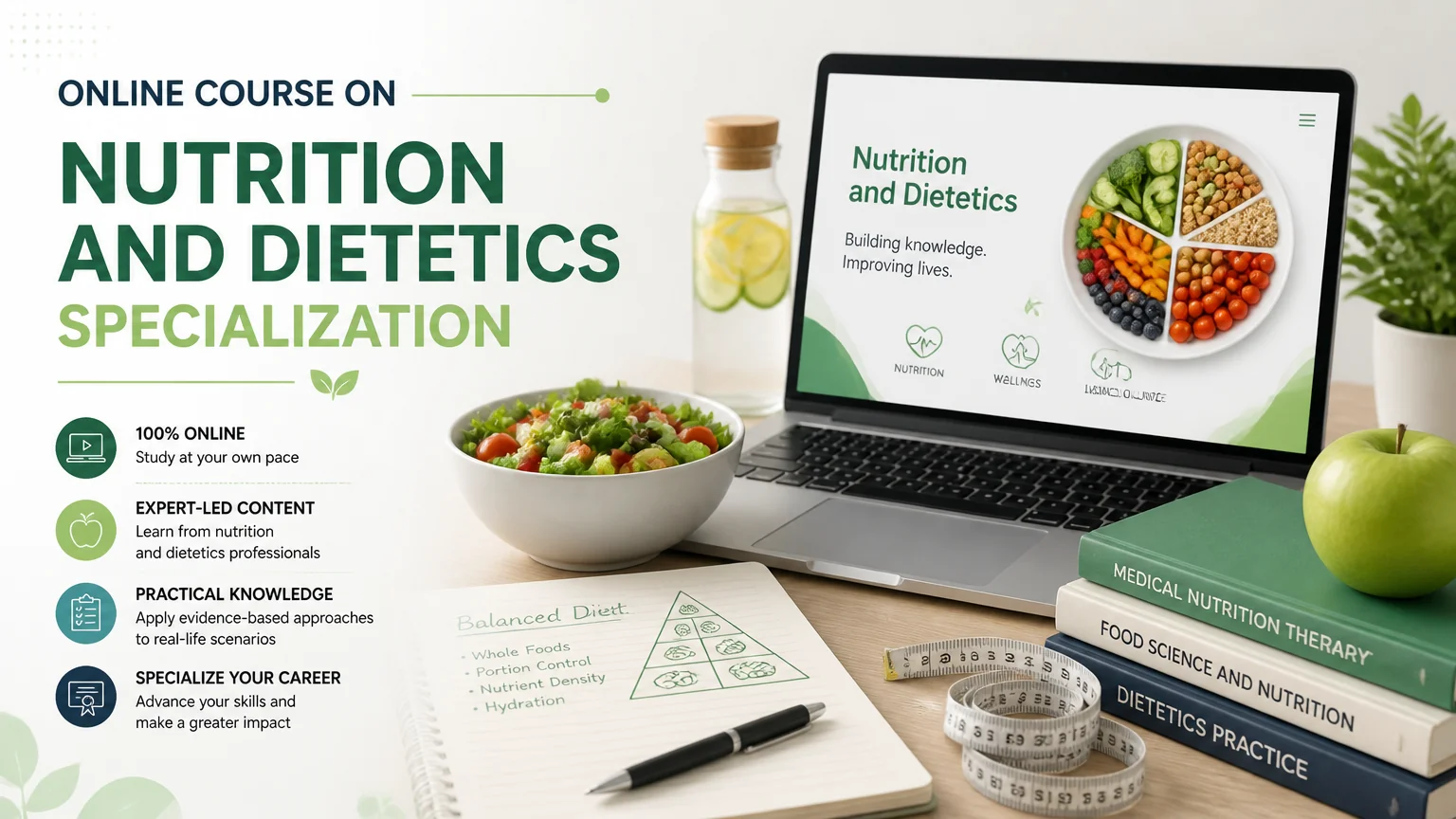
Online course on nutrition and dietetics with job opportunities
Enhance your understanding of how dietary choices impact health and empower yourself to help others by enrolling in a holistic nutrition and dietetics course that can pave the way for a fruitful career.
Have you ever wondered how nutrition directly affects our health and well-being? If so, and you’re also passionate about helping others, a distance-learning course in nutrition and dietetics could be the key to opening the door to a career full of opportunities! In this article, we’ll explore everything you need to know to become a nutrition professional from the comfort of your home.
In an increasingly connected world, distance education has become an appealing alternative. But why choose a distance-learning course in nutrition and dietetics? Here are some compelling reasons:
Imagine being able to study at your own pace, without fixed schedules or having to commute. With a distance-learning course, you decide when and where to study, adapting your learning to your lifestyle. Do you work full-time? Do you have other responsibilities? No problem! Flexibility is key.
Demand for nutrition professionals is constantly growing. People are increasingly aware of the importance of healthy eating and are seeking professional guidance to improve their quality of life. This means a wide range of career opportunities for you.
Distance-learning courses in nutrition and dietetics are often designed by experts in the field who keep up with the latest research and trends. This ensures you receive quality training that is relevant to today’s job market. You’ll learn about evidence-based nutrition, personalized diets, and the latest developments in the world of food.
Once you’ve completed your course, a world of possibilities will open up to you. Here are some of the most in-demand career paths:
As a clinical nutritionist, you’ll work in hospitals, clinics, health centers, and private practices, helping people with various medical conditions improve their health through nutrition. From patients with diabetes to people with cardiovascular disease, your work will be essential to improving their quality of life.
If you’re passionate about sports, this is your opportunity! As a sports dietitian, you’ll work with athletes in different disciplines, designing personalized nutrition plans to optimize their performance, improve recovery, and prevent injuries. Can you imagine working with elite athletes?
As a nutrition consultant, you can work independently, advising businesses and individuals on how to improve their eating habits. You can design nutrition programs for businesses, run nutrition education workshops, and provide personalized advice to individuals. Flexibility is one of the major advantages of this option!
As a health educator, you’ll work in schools, community centers, and nonprofit organizations, promoting healthy eating habits among children, adolescents, and adults. Your work will be essential to preventing chronic diseases and improving public health.
A course in nutrition and dietetics will provide you with a solid foundation of theoretical and practical knowledge to become a competent professional. Here are some of the topics typically covered:
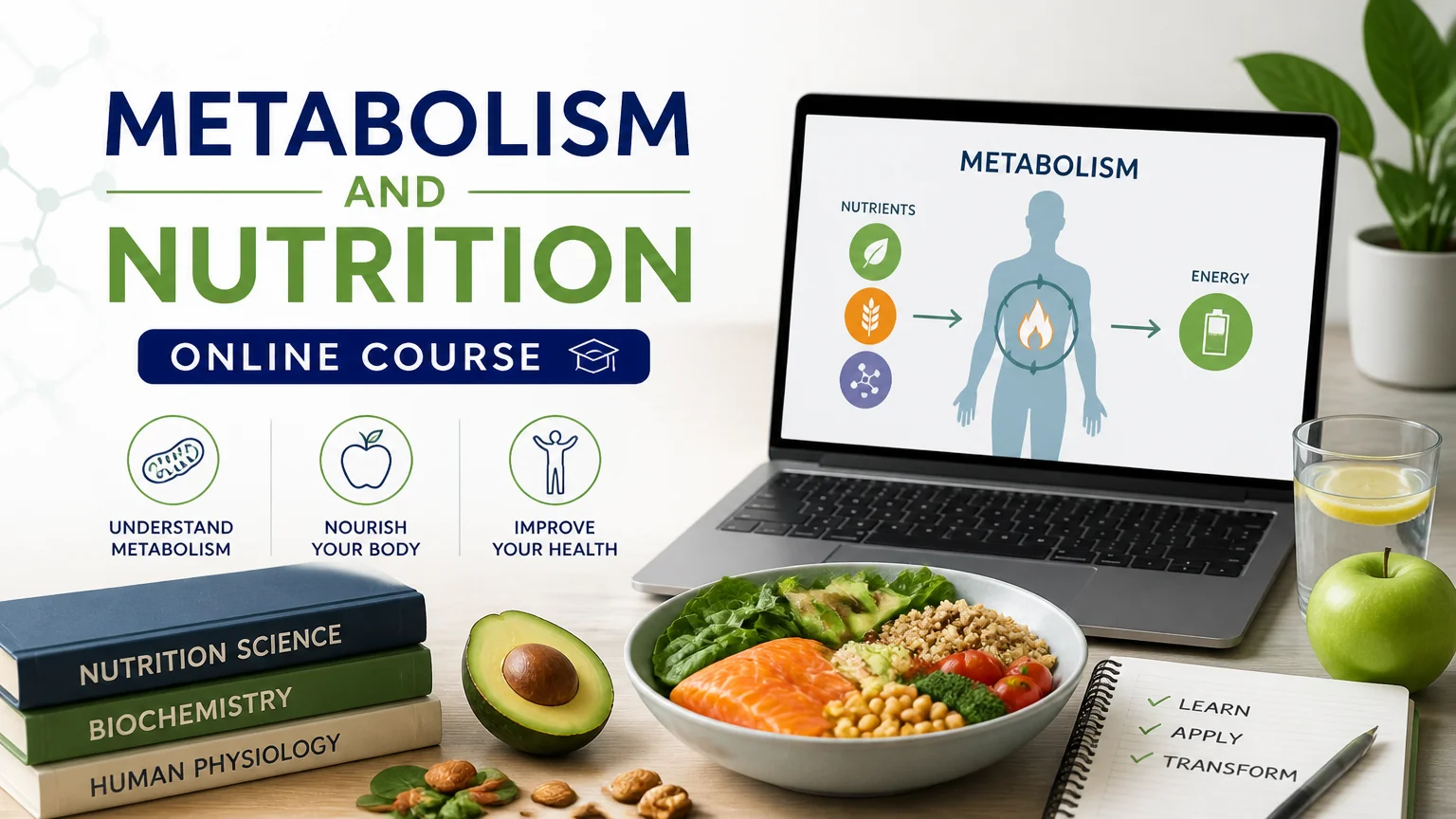
You’ll learn about macronutrients (proteins, carbohydrates, fats), micronutrients (vitamins and minerals), metabolism, and the nutritional needs of the human body at different stages of life. You’ll understand how food is converted into energy and how it affects our health.
You’ll learn to design specific nutrition plans for people with different medical conditions, such as diabetes, cardiovascular disease, obesity, digestive disorders, food allergies and intolerances, and more. You’ll understand how nutrition can be a powerful tool for improving health and well-being.
You’ll learn to assess each individual’s nutritional needs, taking into account their age, sex, physical activity level, health status, and food preferences. You’ll learn to design personalized diets that are effective, safe, and sustainable over the long term.
You’ll learn about current food legislation, food hygiene and safety standards, and good food-handling practices. You’ll understand how to protect consumers’ health and ensure food quality.
With so many options available, choosing the right course can be a challenge. Here are some tips to help you make the best decision:
Research the reputation of the institution offering the course. Is it accredited by a recognized organization? Does it have good reviews from former students? Accreditation is a mark of quality and ensures that the course meets educational standards.
Review the course curriculum. Does it cover all the topics that interest you? Is it up to date with the latest trends in nutrition and dietetics? A comprehensive, up-to-date curriculum will provide quality training that is relevant to today’s job market.
Make sure the course offers support and personalized tutoring. Will you be able to contact instructors with questions? Will you have access to discussion forums where you can interact with other students? Support and personalized tutoring are essential for effective learning.
Research the career opportunities associated with the course. Has it helped other students find work in nutrition and dietetics? Does it offer internship opportunities or connections with businesses in the field? A course with strong career prospects will give you a competitive edge in the job market.
You’ll learn to communicate effectively with your patients or clients, listen to their needs, and motivate them to adopt healthy eating habits. You’ll develop counseling skills that will be useful in both your professional and personal life.
A course will give you the opportunity to build your personal brand as a nutrition professional. You can create your own website, use social media to promote your services, and establish yourself as an expert in the field.
You’ll become part of a community of nutrition students and professionals, where you can share knowledge, experiences, and career opportunities. Networking is essential to professional success.
"Thanks to the nutrition and dietetics course, I was able to change careers and pursue what I’m truly passionate about. I now work as a clinical nutritionist in a hospital, and I love helping people improve their health." - Maria Perez
"The course gave me the flexibility I needed to study and work at the same time. I now have my own sports nutrition practice and work with high-performance athletes." - Juan Garcia
If you’re passionate about nutrition and want to help others improve their health, a course in nutrition and dietetics is the perfect choice for you! Research your options, compare them, and choose the course that best suits your needs and goals. Your future awaits!
In summary, a course in nutrition and dietetics is a valuable investment in your professional future. It offers flexibility, convenience, up-to-date training, and a wide range of career opportunities. Don’t wait any longer—take the first step and become the nutrition professional you’ve always dreamed of being.
1. Do I need prior knowledge of nutrition to take a course? Not necessarily. Many courses are designed for beginners and teach you the fundamentals of nutrition from scratch. However, some basic knowledge of biology or chemistry can be useful.
2. How much time will I need to spend on the course? The amount of time you’ll need to spend on the course will depend on its intensity and your own pace of learning. Some courses require a few hours a week, while others may require more time.
3. Is a qualification earned through a course valid for working as a nutritionist? The validity of the qualification depends on the laws in each country. In some countries, you need to be registered with a professional association to work as a nutritionist. Check the laws in your country to make sure the course qualification is valid.
4. Can I work as a freelance nutritionist after taking a course? Yes, you can work as a freelance nutritionist after taking a course. However, it’s important to have a solid foundation of knowledge, good communication skills, and an effective marketing strategy to attract clients.
5. What is the difference between a nutritionist and a dietitian? In some countries, the terms nutritionist and dietitian are used interchangeably. In other countries, however, there is a distinction between the two. A nutritionist usually has a broader education in nutrition, while a dietitian has more specialized training in diet therapy and meal planning.
Do you prefer learning by watching and listening? Expand your knowledge with these free videos related to this topic.
Learn to design balanced, nutritious, tasty diets by life stage, read nutrition labels, plan for weight loss and exercise, and help prevent common diseases.
Watch VideoLearn what nutrients are, how macronutrients and micronutrients are classified, functions, food components and groups, tips for a healthy, balanced diet.
Watch VideoLearn what proteins and amino acids are, their functions and biological value, age-based requirements, and the health risks of deficiency or excess in detail.
Watch VideoSearch
Popular searches