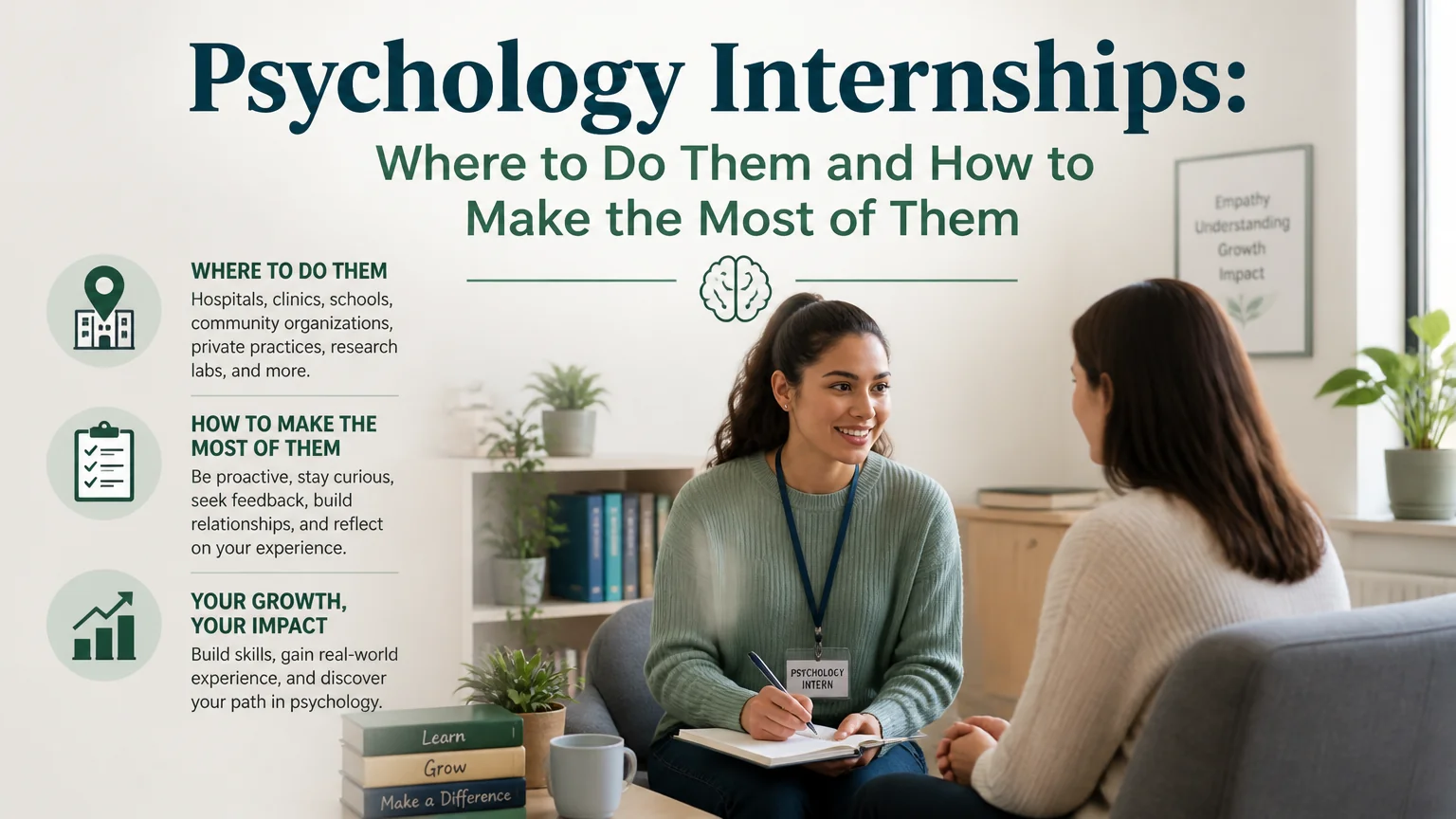
Developing Professional Identity and Core Competencies
Compare clinical psychology with psychiatry, educational psychology, and counseling, learn to assess, diagnose, and treat through psychotherapy, not medication.
Watch Video For Onlinecourses55
|
2026-11-15
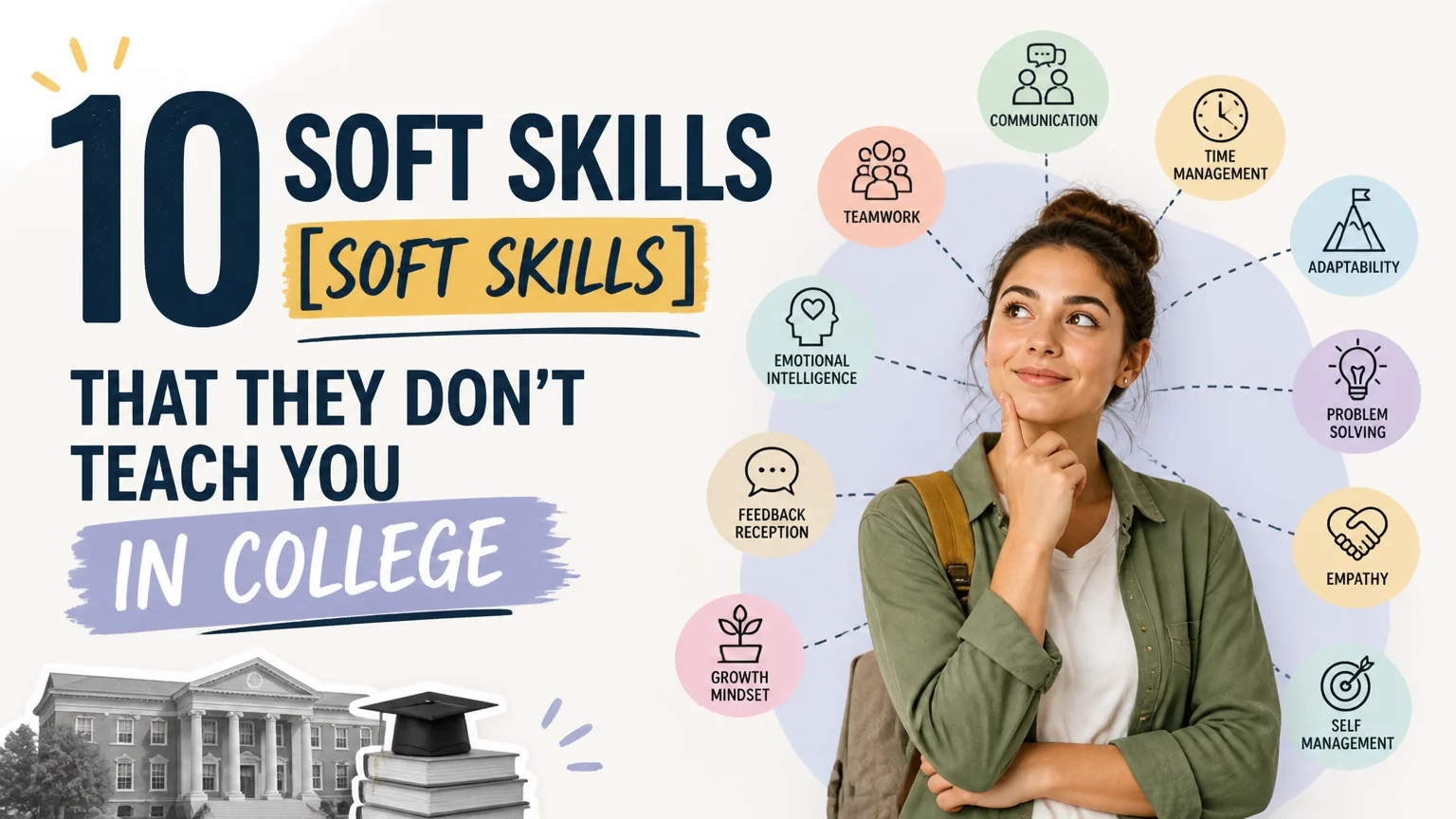
10 soft skills [soft skills] that they don't teach you in college
Soft skills can be game changers in your career, and you can learn to enhance them through an insightful course on understanding human behavior that will empower you to connect deeply with others and thrive in any workplace environment.
College fills you with technical and theoretical knowledge. It gives you the tools to understand complex concepts and solve specific problems in your field. But what about those skills that allow you to stand out, connect with others, lead teams and adapt to changes? Those are soft skills, and often, they are conspicuously absent from traditional curricula. In this article, we will unveil the 10 soft skills you need to master to succeed in today's job market and how to start developing them today.
In an increasingly automated and interconnected world, technical skills are important, yes, but soft skills are what truly set you apart. Companies look for professionals who not only know how to do the job, but who can also communicate effectively, work in teams, resolve conflicts and lead with empathy. Think about it: a robot can perform complex calculations, but it cannot inspire a team to reach a common goal.
Soft skills are the foundation of interpersonal relationships, productivity and innovation. Without them, even the brightest professional can struggle to reach their full potential.
Effective communication goes beyond simply speaking. It involves active listening, expressing your ideas clearly and concisely, adapting your message to the audience and using body language effectively. Learn to communicate assertively, to give and receive constructive feedback, and to build strong relationships based on trust and mutual understanding.
Practical Tip: Practice active listening. The next time you speak with someone, focus on what they say, ask questions to clarify doubts, and summarize what you understood to confirm you're on the same page.
Teamwork is fundamental in most work environments. It involves sharing ideas, collaborating on projects, supporting your colleagues and working together to achieve a common goal. Learn to be a valuable team member, to respect different perspectives and to contribute positively to the work environment.
Practical Tip: Seek opportunities to collaborate on group projects, even outside of work. Participate in volunteer activities or join a club or sports team.
The ability to solve problems is essential for any professional. It involves identifying problems, analyzing causes, generating creative solutions and evaluating results. Learn to think critically, to analyze information objectively and to make informed decisions.
Practical Tip: Practice solving everyday problems. Instead of simply accepting a situation, try to find alternative solutions. Consider different perspectives and evaluate possible consequences.
Critical thinking is not about criticizing for the sake of criticism, but about evaluating information objectively, identifying biases and making informed decisions. In a world flooded with information, it is crucial to know how to discern between facts and opinions, and to assess the credibility of sources.
Practical Tip: Question your own assumptions. When faced with new information, ask yourself: What evidence supports it? Who is presenting it? What potential biases might be present?
The workplace is constantly evolving. Adaptability and flexibility are crucial to adjust to changes, learn new skills and overcome challenges. Learn to be proactive, to embrace uncertainty and to maintain a positive attitude toward change.
Practical Tip: Look for opportunities to step out of your comfort zone. Try something new, learn a new skill or take on a challenge that scares you a little.
Leadership is not just about giving orders. It's about inspiring others, motivating them to reach their full potential and guiding them toward a common goal. Learn to communicate effectively, to give constructive feedback, to delegate tasks and to build strong relationships with your team.
Practical Tip: Look for opportunities to lead projects, even small ones. Offer your help to colleagues and take initiative in situations that require leadership.
Time management is fundamental to productivity and success. It involves prioritizing tasks, setting deadlines, avoiding distractions and optimizing your time. Learn to use time-management tools, to say "no" to nonessential tasks and to focus on what truly matters.
Practical Tip: Experiment with different time-management techniques, such as the Pomodoro Technique or the Eisenhower Matrix, to find the one that suits you best.
Emotional intelligence is the ability to recognize, understand and manage your own emotions, as well as the emotions of others. It involves self-awareness, self-regulation, empathy and social skills. Learn to control your emotions, to communicate assertively and to build strong relationships based on trust and respect.
Practical Tip: Practice self-reflection. Take a few minutes each day to reflect on your emotions and how they impact your actions. Try to identify your emotional triggers and develop strategies to manage them healthily.
Creativity and innovation are essential for generating new ideas, solving problems in original ways and standing out in a competitive market. It involves thinking outside the box, challenging the status quo and experimenting with new solutions.
Practical Tip: Dedicate time to creative activities, such as writing, drawing, painting or playing a musical instrument. Read books, visit museums and expose yourself to different ideas and perspectives.
Professional ethics are fundamental to building a solid reputation and maintaining trusting relationships with colleagues, clients and superiors. It involves acting with integrity, honesty and responsibility in all your actions.
Practical Tip: Familiarize yourself with your profession's code of ethics and look for opportunities to apply your ethical values at work. Be honest with yourself and others, and make decisions that are fair and equitable.
Although college may not teach these skills directly, there are many ways to develop them outside the classroom:
Do you prefer learning by watching and listening? Expand your knowledge with these free videos related to this topic.
Compare clinical psychology with psychiatry, educational psychology, and counseling, learn to assess, diagnose, and treat through psychotherapy, not medication.
Watch VideoLearn how to distinguish coaching from psychotherapy, recognize unlicensed practice, and know when to refer someone for clinical care to protect mental health.
Watch VideoDiscover how to manage local psychologist registration, transfers, social protection, and legal and ethical rules on confidentiality, fees, and telepsychology.
Watch VideoSearch
Popular searches