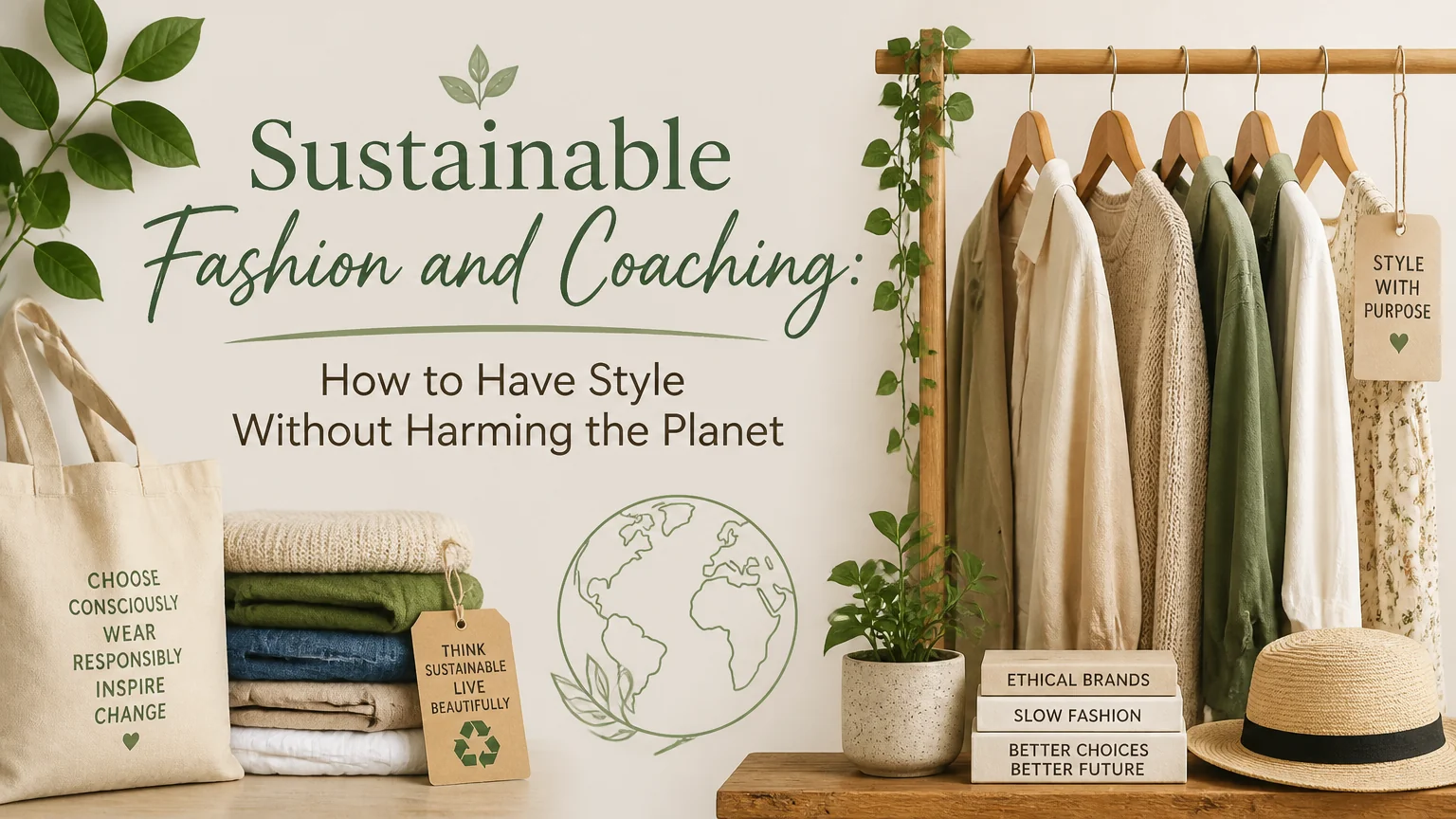
Dressing with intention is possible and, moreover, very satisfying. It’s not about giving up style or living with a boring wardrobe, but about aligning what you wear with your values, your day-to-day life, and the impact you’d like to have. The key lies in combining informed decisions with small self-awareness practices: that way, every garment counts, fits you well, lasts longer, and has a story worth telling.
What it means to dress consciously
To dress consciously is to look beyond the shop window: to question how, where, and with what materials a garment was made, how much you will use it, and what will happen when it no longer serves you. It brings together three pillars: environmental impact (materials, water, energy, waste), social impact (working conditions and living wages), and quality/longevity (that the piece withstands real use). It’s not perfection, it’s sustained progress: better decisions, more often.
Benefits for you and the planet
- Defined style: less noise, more clarity; you choose based on what flatters you, not the urgency of the trend.
- Medium-term savings: by prioritizing quality and versatility, the cost per wear drops and you avoid impulse buys.
- Less clutter: a functional wardrobe makes it easier to get dressed and reduces the feeling of “I have nothing to wear.”
- Reduced footprint: each well-worn garment prevents waste and new resource extraction.
- Positive social impact: you support brands and workshops that treat the people who make the clothes better.
How coaching helps in the process
Coaching helps you clarify values, beliefs, and goals so your wardrobe works in your favor. It doesn’t lay down rules: it asks you questions and offers tools to help you decide with coherence. You identify purchase triggers, redefine your relationship with image, and turn “I should” into “I choose.”
Quick self-awareness exercises
- Wardrobe values: write down three values (e.g., authenticity, comfort, responsibility) and turn them into concrete buying criteria.
- Conscious style wheel: rate from 1 to 10 how you’re doing in fit, quality, impact, budget, emotion, and versatility; choose one area to improve this month.
- 10-day garment journal: record what you wear and how you feel; you’ll discover your true essentials.
Step-by-step wardrobe audit
- Empty by categories (t-shirts, pants, coats). Try everything on in front of a mirror with good lighting.
- Five piles: keep as is; needs repair; 30-day maybe; donate/sell; recycle/textiles.
- 30-wear test: if you can’t imagine 30 wears, question any future purchase of something similar.
- Color and silhouette map: spot tones that brighten your skin and cuts that flatter your body.
- Gap list: note what’s truly missing to complete functional outfits.
Accompany the process with compassionate questions: am I keeping it out of guilt or love? Do I wear it in my real life, not the idealized one?
Define your own style without following every trend
Versatile capsule method
- Choose a guideline number (for example, 30–40 seasonal pieces, excluding underwear and activewear).
- Harmonious palette: 2–3 base neutrals (black, beige, navy) and 2 accents that excite you.
- Anchor pieces: straight-leg jeans, a well-cut blazer, a white shirt, quality knitwear; accents with texture or color.
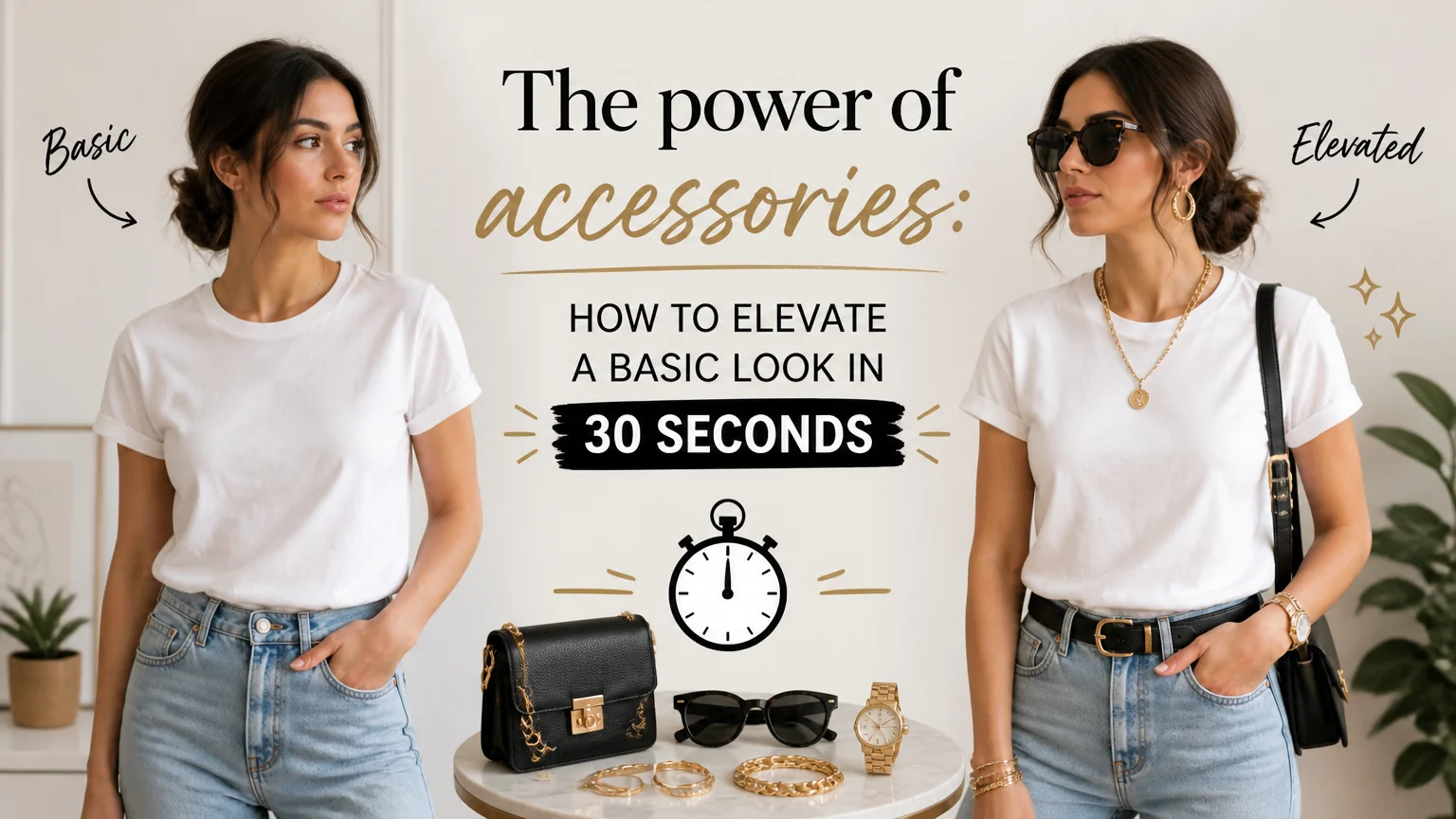
- Intentional accessories: belts, scarves, and footwear elevate or relax the look without multiplying garments.
Choose trends that converse with your style and avoid those that require changing half your wardrobe. If something doesn’t go with at least three pieces you already own, you probably don’t need it.
Materials and certifications to prioritize
- Organic cotton with GOTS certification: reduces pesticides and ensures social and environmental standards.
- Linen and hemp: strong fibers, low water requirements, cool and durable.
- Wool with RWS certification: animal welfare and traceability; ideal for its longevity and repairability.
- Responsible viscose: lyocell/TENCEL and FSC/PEFC-certified viscose that better manage forests.
- Recycled fibers with GRS: recycled polyester or nylon, useful in outerwear and technical garments, better with simple blends.
- Vegetable-tanned leather or low-impact alternatives; look for transparency about processes.
- Finishes and dyes with OEKO-TEX: limits on harmful substances in the final product.
Beyond the label, prioritize durability, good pattern-making, and mono-material when possible to facilitate recycling. Proximity and traceability earn extra points.
Smart shopping and tools
Key criteria before paying
- Transparency: brands that show suppliers, materials, and costs.
- Visible quality: straight, dense stitches, well-secured buttons, linings that breathe.
- Real fit: move, sit; if it isn’t comfortable now, it won’t be later.
- Cost per wear: divide the price by the estimated number of wears; look for numbers that make you smile.
- Repairability: can it be fixed? Are replacements like soles or zippers available?
Options beyond new
- Secondhand and vintage: quality at better prices, with history and a smaller footprint.
- Rental for events: sparkle without long-term commitment.
- Swaps and “mending parties”: refresh and learn repairs with your community.
Care, repair, and end of life
- Wash less and in cold water; use a microfiber-catching bag for synthetics.
- Air out, brush, and store with care; proper hangers and correct folding preserve shapes.
- Basic repairs: hems, buttons, small tears; a sewing kit is your best ally.
- Upcycling: transform into accessories or new garments when it no longer works as before.
- Textile recycling: use local drop-off points; separate mono-material when possible.
Budget and financial mindset
A conscious wardrobe isn’t about spending more, it’s about spending better. Plan purchases, avoid urgency, and allocate a maintenance fund for repairs and care.
- Wish list prioritized by need and versatility; review it monthly, not by the minute.
- The 30-day rule: if after a month you still want it and it matches at least three pieces, give it the green light.
- Sell or donate the underused and reinvest in quality you will actually wear.
30-day action plan
- Days 1–3: define values, goals, and budget; choose your base palette.
- Days 4–7: wardrobe audit by categories; create your gap list.
- Days 8–10: repair what can be fixed; iron and condition to increase wear.
- Days 11–14: explore secondhand and rental; compare options to cover 1–2 key gaps.
- Days 15–18: create 10 new combinations with what you already have; photograph them.
- Days 19–21: learn a new repair (visible patch, darning) and apply it.
- Days 22–25: buy only if it meets your criteria and your list; assess cost per wear.
- Days 26–28: organize a swap with friends or your local community.
- Days 29–30: review progress, adjust goals, and celebrate what you’ve achieved.
Common obstacles and how to overcome them
- Fear of “missing out” on trends: choose 1 micro-trend per season that fits your style and forget the rest.
- Prices of responsible brands: reduce volume, prioritize secondhand, and buy timeless pieces out of season.
- Size availability: look for brands with inclusive fits and consider alterations; a well-fitted garment is worth two.
- Unsupportive environment: share your why, inspire by example, and seek like-minded communities.
Quick checklist before buying
- Does it go with at least three garments I already own?
- Will I wear it 30 times or more in the next 12–18 months?
- Does it align with my values and my budget?
- Do the material and seams promise to last and be repairable?
- Does it fit me well now, without “when I lose/gain weight”?
- Do I know the origin or is there sufficient transparency?
- If there were no discount, would I buy it anyway?
Dressing in a way that’s consistent with what you think and feel is possible and very creative. Step by step, with curiosity and consistency, your wardrobe becomes a tool for expression and an ally of the planet. Start today with what you have, decide calmly, and enjoy building a style with purpose.
 For Onlinecourses55
|
2026-11-01