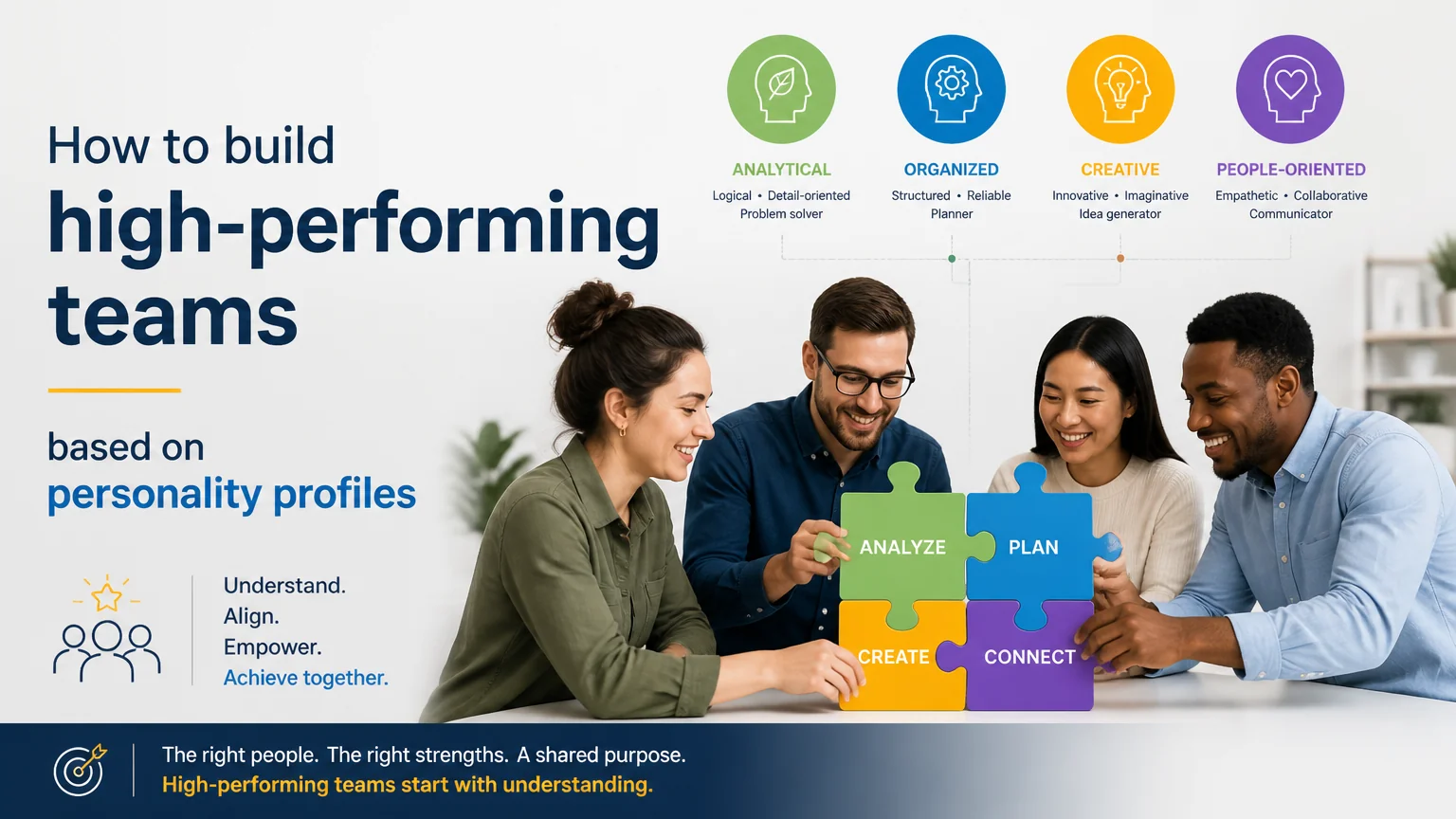
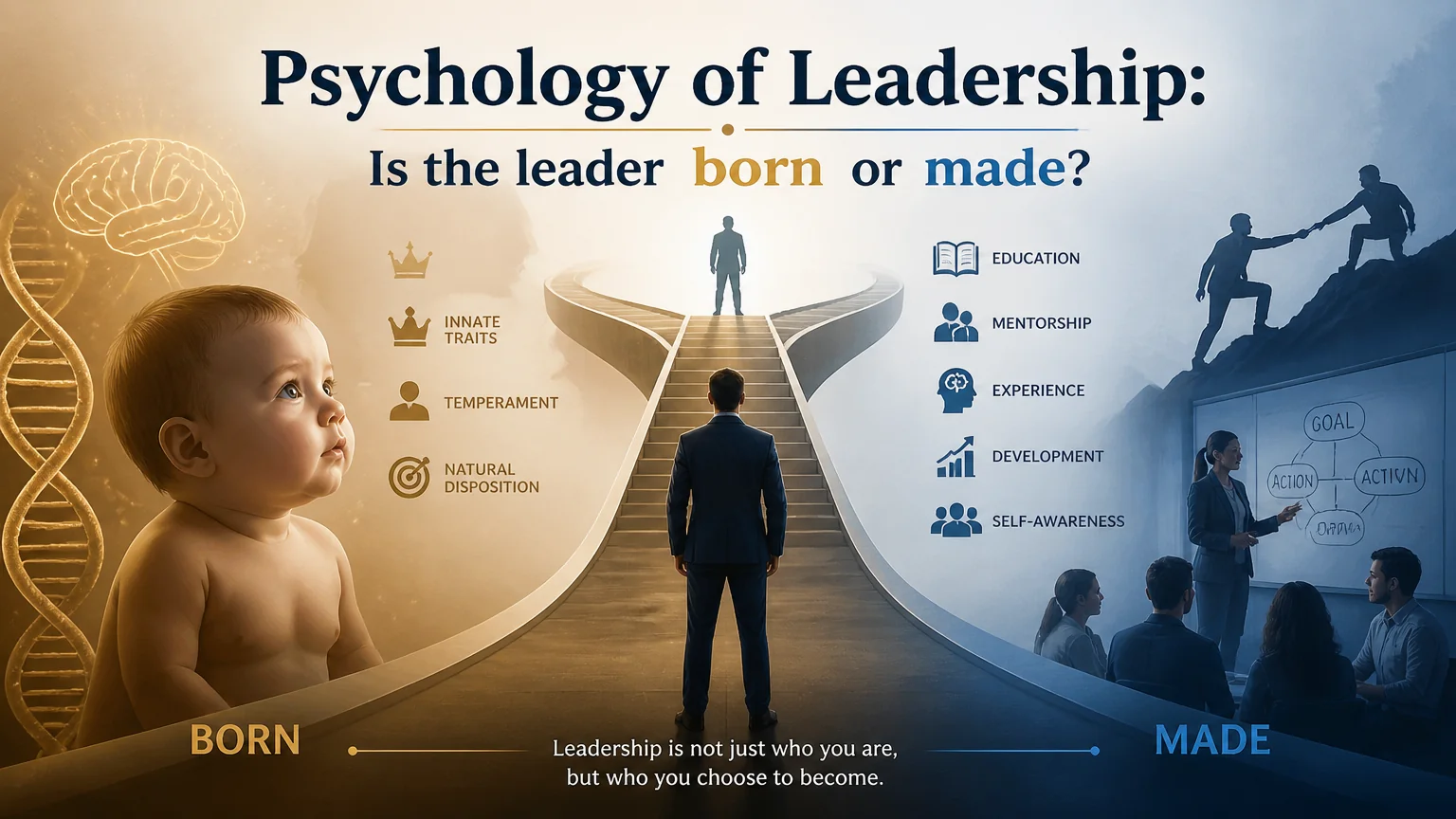
How to build high-performing teams based on personality profiles - psychology organizational
To optimize team dynamics and performance, consider our course that explores personality assessment for effective team building strategies that lead to cohesive workplace environments.
In today's competitive business world, building high-performing teams is essential to achieving success. Beyond technical skills, understanding the individual personalities that make up a team can make the difference between a mediocre group and a cohesive, productive unit. This article explores how to use personality profiles as a strategic tool to form teams capable of overcoming challenges and reaching their goals.
Why Do Personality Profiles Matter in Team Building?
Personality profiles offer valuable insight into behavioral tendencies, strengths, and weaknesses of each team member. By knowing this information, leaders can:
- Optimize Communication: Adapt communication style to each individual's preferences to avoid misunderstandings and foster collaboration.
- Assign Tasks Strategically: Assign roles and responsibilities that fit each team member's natural strengths, maximizing their potential.
- Resolve Conflicts Effectively: Understand the roots of interpersonal conflicts and address them constructively, taking personality differences into account.
- Foster Trust and Cohesion: Create a work environment where each member feels valued and understood, strengthening team bonds.
Personality Profile Tools and Models for Team Building
There are various tools and models that can be used to assess team members' personality profiles. Some of the most popular include:
- MBTI (Myers-Briggs Type Indicator): A widely used test that classifies people into 16 different personality types, based on four dichotomies: Extraversion/Introversion, Sensing/Intuition, Thinking/Feeling, and Judging/Perceiving.
- DISC (Dominance, Influence, Steadiness, Conscientiousness): A model that evaluates four main personality traits: Dominance, Influence, Steadiness, and Conscientiousness. It helps understand how people respond to challenges, influence others, prefer pace, and respond to rules.
- Enneagram: A system that describes nine interconnected personality types, each with its own motivations, fears, and behavior patterns. It offers a deep understanding of the human psyche.
- Big Five (Five-Factor) Test: Evaluates five dimensions of personality: Openness to experience, Conscientiousness, Extraversion, Agreeableness, and Neuroticism (Emotional Stability).
It is important to select the tool that best fits your team's needs and objectives. Consider the validity, reliability, and ease of administering the test before making a decision.
Implementing Personality Profiles in Practice: Key Steps
Effective implementation of personality profiles in team building requires a strategic and well-planned approach. Here are some key steps:
- Select the Right Tool: Research and choose the personality profile tool or model that best fits your team's needs and objectives.
- Administer the Assessments: Ensure all team members complete the assessment honestly and objectively. It is essential to explain the purpose of the assessment and guarantee the confidentiality of the results.
- Analyze the Results: Take time to analyze each team member's results and identify patterns and trends. Consider hiring an expert consultant in personality profiles for a deeper and more objective interpretation.
- Communicate the Results to the Team: Share the results with the team transparently and constructively. Encourage an open dialogue about each member's strengths and weaknesses, and how they can work together more effectively.
- Use the Profiles for Task Assignment: Assign roles and responsibilities that match each team member's natural strengths. Consider creating small teams with complementary personalities to maximize creativity and productivity.
- Adapt Communication: Modify your communication style to suit each team member's preferences. Use different communication channels and approaches as needed to ensure everyone feels heard and understood.
- Manage Conflicts Proactively: Use information from personality profiles to understand the roots of interpersonal conflicts and address them constructively. Foster empathy and mutual respect among team members.
- Monitor and Adjust: Building high-performing teams is an ongoing process. Regularly track team performance and adjust your strategies as needed. Consider conducting periodic personality profile assessments to stay aware of changes in team dynamics.
Practical Examples of Applying Personality Profiles
To illustrate how personality profiles can be used in practice, consider some examples:
- Marketing Team: A marketing team that needs to generate innovative ideas could benefit from having members with "Intuitive" (MBTI) personalities who bring original ideas and members with "Judging" (MBTI) personalities who handle planning and implementation.
- Sales Team: A sales team might need members with high "Influence" (DISC) to build relationships with clients and members with high "Steadiness" (DISC) to provide consistent and reliable customer service.
- Software Development Team: A software development team might require members with high "Conscientiousness" (Big Five) to ensure code quality and members with high "Openness to experience" (Big Five) to explore new technologies.
Benefits of Building Teams Based on Personality Profiles
Investing in building teams based on personality profiles offers a wide range of benefits, including:
- Higher Productivity: More cohesive teams with well-defined roles tend to be more productive.
- Better Communication: Understanding different personalities facilitates clearer and more effective communication.
- Greater Creativity and Innovation: Teams diverse in personality can generate more original and creative ideas.
- Reduced Conflicts: Understanding individual differences helps prevent and resolve conflicts more effectively.
- Higher Job Satisfaction: Team members feel more valued and understood, which increases their job satisfaction.
- Lower Staff Turnover: More satisfied and engaged employees are less likely to leave the company.
 For Onlinecourses55
|
2026-10-25