For Onlinecourses55
|
2026-10-21

Sex after a c-section: care and recommendations - sex pregnancy postpartum
Resuming intimacy after an abdominal delivery requires care and understanding. Our course discusses signs to look for and providing support during recovery for a fulfilling intimate life.
After an abdominal delivery, the body needs time to recover. The standard medical recommendation is to wait until the postpartum checkup, which is usually around six weeks, but that is only a general guideline. Every woman heals at her own pace: some will feel ready sooner, while others will need more time. The important thing is that the decision be based on physical comfort, the absence of active bleeding, and the approval of the healthcare professional overseeing your postoperative care.
Not all discomforts are the same; there are clear signs that you should avoid sexual intercourse until you receive medical attention. If you experience a fever, increased pain, redness, or discharge from the wound, heavy bleeding, or foul-smelling discharge, it is essential to seek medical advice. A sensation of separation or a lump in the scar area also warrants attention, as it may indicate healing problems. If any of these signs are present, the priority is to treat the complication before resuming sexual activity.
The incision scar is located on the abdominal wall, and it is common for that area to remain sensitive for weeks or months. Tension, friction, or certain positions may cause discomfort. If the sensitivity is severe, it is advisable to avoid movements that stretch the scar until the discomfort subsides. Gently massaging the area with creams recommended by your specialist and performing gentle mobility exercises can help in the later stages of recovery.
Keep the wound clean and dry: Follow the healthcare team’s healing instructions and avoid long baths until authorized to do so.
Managing bleeding: It’s normal to experience some postpartum bleeding, but if there is heavy bleeding or large clots, wait and consult your healthcare provider.
Appropriate pain relief: If you’re experiencing significant pain, talk to your healthcare provider about medications that are safe for breastfeeding and suitable for the postoperative period to help you feel more comfortable.
Intimate hygiene: Gentle cleansing and wearing breathable cotton underwear help prevent irritation and keep the area comfortable.
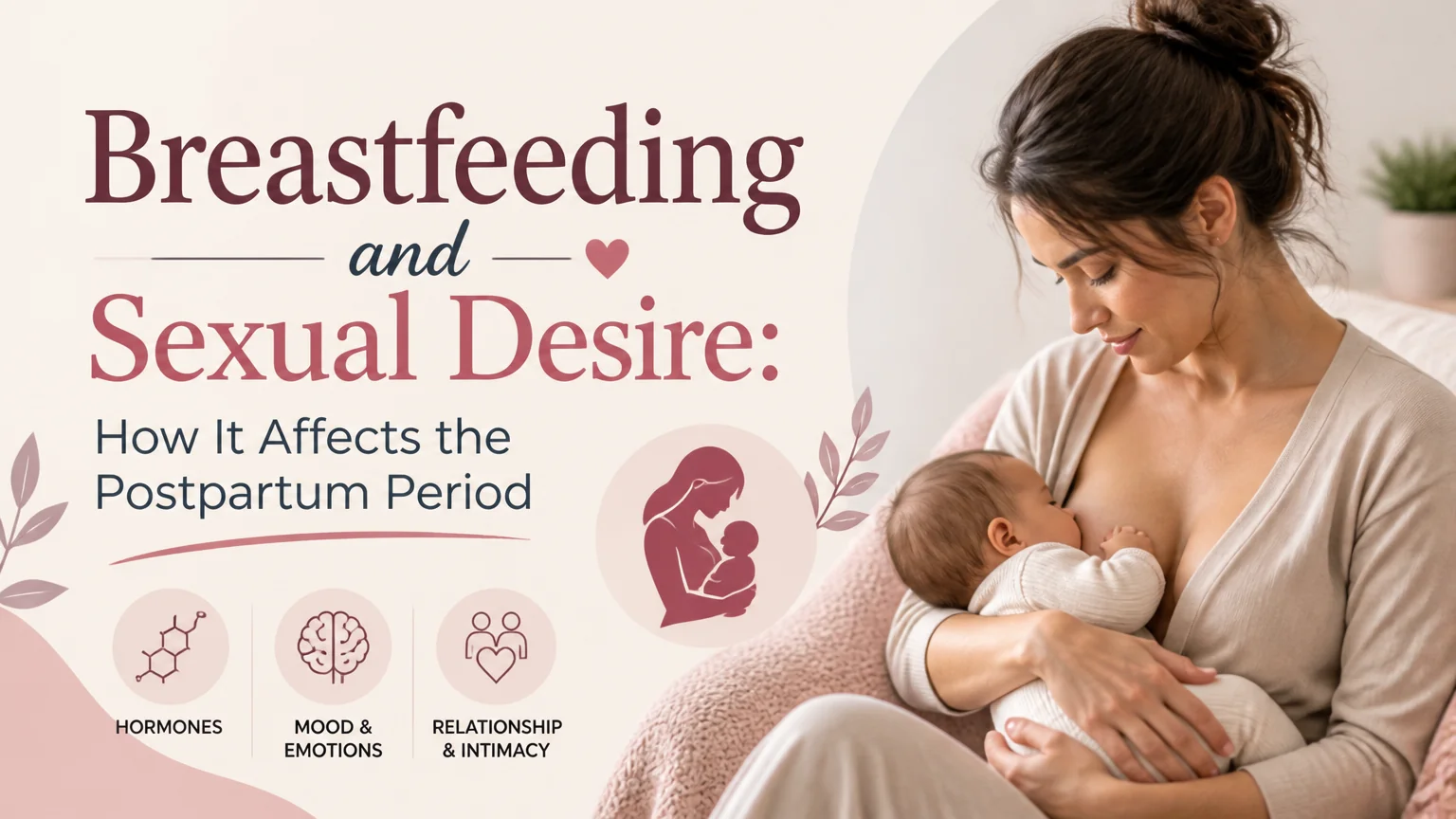
In addition to physical healing, postpartum sexuality is influenced by hormonal and emotional factors, as well as fatigue. Breastfeeding can reduce vaginal lubrication and affect sexual desire; this is normal and temporary. Lack of sleep, concerns about the baby, and changes in body image also affect intimacy. It’s important to acknowledge all these feelings and not pressure yourself to resume sexual activity before you truly feel ready.
Use water-based lubricants to prevent pain caused by vaginal dryness.
Start with caresses and non-penetrative intimacy to reconnect with your partner.
Choose comfortable positions that do not put pressure on the abdomen or the scar area.
Clearly communicate any discomfort and stop if there is pain.
Protection against infections and unplanned pregnancies remains important starting with the first postpartum sexual encounter. If you haven’t decided on a method of birth control, talking to your healthcare provider before resuming sexual activity can help avoid risks. Using condoms reduces the risk of infection and protects against pregnancy if another method hasn’t yet been established.
Strengthening the pelvic floor helps restore tone and reduce problems such as incontinence or loss of sensation. Contraction and relaxation exercises (Kegels) are helpful and can be started gently once your healthcare provider gives the go-ahead. In some cases, specialized physical therapy speeds up recovery and helps manage pain or tension in the pelvic area.
Talking openly with your partner about fears, boundaries, and desires is key. Many couples benefit from planning a gradual return to intimacy: first, moments of emotional and physical closeness without pressure, and later, exploring what feels comfortable. Adjusting expectations, accepting that postpartum sexuality may be different, and seeking mutual support facilitate a smoother transition.
If severe pain persists for weeks or if unusual bleeding recurs.
When the scar shows signs of infection or dehiscence (opening).
If there is a loss of sensation, pain during sex that does not improve, or significant emotional distress such as anxiety or postpartum depression.
If there are questions about birth control methods that are compatible with breastfeeding and the postoperative period.
Allowing recovery to be a flexible and personal process helps avoid pressure and frustration. Listening to your body, prioritizing communication, and seeking medical support whenever you have questions are practical steps to take. Starting with gentle encounters, using lubrication if needed, and taking care of the wound are simple steps that facilitate a return to intimacy. Finally, remember that patience and understanding between partners are just as important as medical recommendations: every step forward is valid, and there’s no one-size-fits-all timeline for feeling ready.
Search
Popular searches