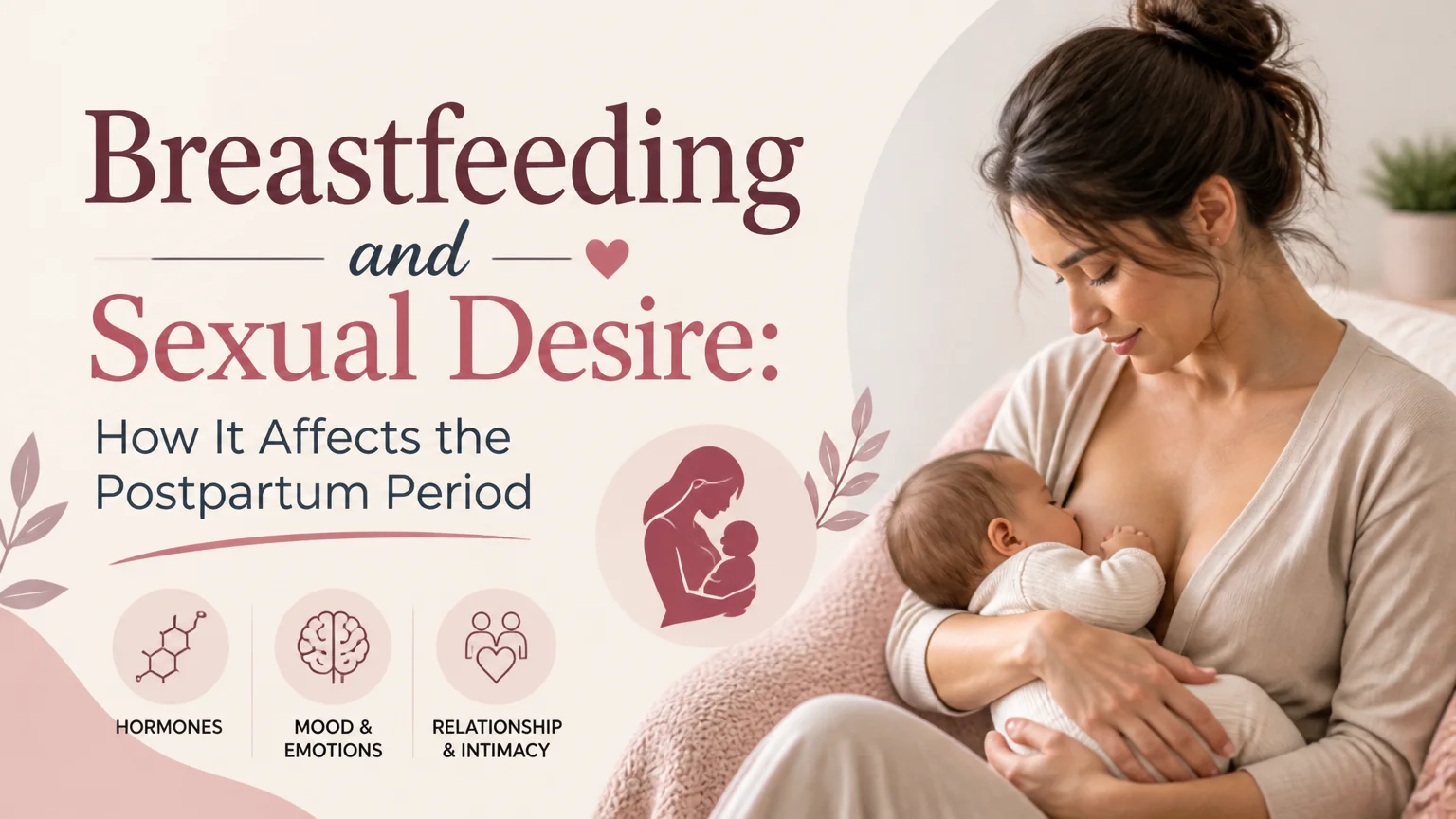
Breastfeeding and sexual desire: how it affects the postpartum period - sex pregnancy postpartum

onlinecourses55.com For Onlinecourses55 | 2026-10-06
Breastfeeding and sexual desire: how it affects the postpartum period - sex pregnancy postpartum


Breastfeeding and sexual desire: how it affects the postpartum period - sex pregnancy postpartum

Navigating changes in sexual desire after childbirth can be challenging. Learn effective strategies to rebuild your intimacy through our course that focuses on the dynamics of desire and emotional connection during the postpartum period for a healthier relationship.

In the weeks and months following childbirth, many people notice significant changes in their sex drive. This is common and to be expected: the body, hormones, fatigue, and new responsibilities directly influence energy levels and the desire for intimacy. Here you’ll find a clear explanation of why this happens, what factors are involved, and practical strategies for rebuilding your intimate connection with calm and respect.

What Happens in the Body

After childbirth, a hormonal cascade occurs that alters sexual desire. Milk production is regulated by hormones such as prolactin, which promotes milk production but can decrease sexual desire. In addition, estrogen levels are typically lower, which can cause vaginal dryness and discomfort during intercourse. Oxytocin, which increases with suckling, promotes bonding and well-being, but does not always translate into immediate erotic desire.

Hormones and Their Impact

  • Prolactin: promotes lactation and may reduce sexual desire.
  • Estrogens: Low levels can cause dryness and a decreased libido.
  • Oxytocin: promotes bonding and calm, but not always sexual desire.

Common Physical Changes

  • Vaginal dryness and pain during intercourse.
  • Extreme fatigue due to nighttime care and physical recovery.
  • Changes in the body and body image after pregnancy.

Emotional and Relationship Factors

Sexuality isn’t just about biology: the emotional context and the quality of the relationship are key factors. Anxiety about caring for the newborn, a lack of time for oneself, and new routines can disrupt intimacy. Many people feel guilty about wanting some space, or fear damaging the relationship if they don’t meet their partner’s expectations. These feelings influence desire and the motivation to seek solutions.

Communication and Expectations

  • Talking with your partner about your physical and emotional state helps reduce misunderstandings.
  • Agree on times and ways to connect that don’t create pressure but do maintain the bond.
  • Recognize that everyone’s pace may be different and that patience is key.

Self-Image and Self-Esteem

Physical changes after pregnancy affect a person’s self-perception. Feeling less attractive or insecure can diminish the desire for intimacy. Practicing self-compassion and allowing time to adjust are important steps toward regaining confidence.

Direct Effects of Breastfeeding on Sexuality

Breastfeeding provides significant benefits for both mother and baby, but it also has specific effects on intimate life. The baby’s suckling keeps the production of certain hormones active and can alter menstrual cycles, which in turn influences libido and temporary fertility.

Fertility and Menstruation

  • In some people, ovulation is delayed, so fertility may be reduced but is not completely absent.
  • Contraceptive methods should be chosen with breastfeeding and the desired level of protection in mind.

Sexual Practices and Comfort

  • Vaginal dryness can be alleviated with water-based lubricants or vaginal moisturizing gels.
  • Choose comfortable positions and avoid putting pressure on the breasts if there is pain or mastitis.
  • If there are cracks or sensitivity in the nipples, avoid direct contact until they have healed.

Practical Strategies for Regaining Sexual Desire

There’s no one-size-fits-all solution, but small steps can make a difference. The key is to combine physical self-care, communication, and adjustments to daily life that allow you to rebuild small moments of intimacy without pressure.

Routines and Rest

  • Share nights or caregiving shifts whenever possible to catch up on sleep.
  • Look for daily micro-breaks: a long shower, a nap, or a moment free from chores can recharge your energy.

Communication and Non-Sexual Interactions

  • Reintroduce affectionate physical contact without sexual expectations: hugs, caresses, and eye contact bring you closer emotionally.
  • Plan small dates at home: a dinner, watching a movie together, or a short walk to rekindle your connection.

Vaginal and physical care

  • Use lubricant when needed and consult a healthcare professional if you experience persistent pain.
  • Pelvic floor exercises help restore muscle tone and body sensation.
  • A balanced diet, hydration, and gentle physical activity improve overall well-being.

Medical Considerations and Contraceptive Options

If a decrease in sexual desire is severe, prolonged, or causes significant distress, it is advisable to consult a healthcare professional. There are safe medical options suitable for breastfeeding that can help, as well as treatments for specific issues such as dryness or pain.

Consult with Professionals

  • A pediatrician and midwife for guidance on breastfeeding and how it affects the body.
  • A gynecologist to review birth control options compatible with breastfeeding.
  • Sex therapists or couples therapists if the situation is causing conflict or distress in the relationship.

Contraception and Breastfeeding

  • Nonhormonal methods (such as the copper IUD or condoms) do not affect breastfeeding.
  • Progestin-only hormonal methods are generally compatible, but it’s important to evaluate each case individually.

When to Seek Help

If a loss of desire is accompanied by deep sadness, an inability to perform daily activities, persistent fear, or thoughts of self-harm, it is essential to seek professional help as soon as possible. Postpartum depression can present with symptoms that severely affect libido and the bond with the baby and partner.

Warning signs

  • Extreme low mood, frequent crying, or hopelessness.
  • Intense anxiety, intrusive thoughts, or avoidant behaviors.
  • Relationship problems leading to verbal or physical abuse.

Regaining your sex life after childbirth is a gradual process. There is no universal timeline or single definition of “normal”: the important thing is to listen to your own body, communicate with your partner, and seek professional support when necessary. With information, patience, and small, practical changes, it’s possible to rebuild a satisfying intimate life that respects your new circumstances.


Become an expert in Sex pregnancy postpartum!

Practical pregnancy and postpartum sexuality guide: physical, emotional, and relationship changes—12 topics and 24 study hours—for just $12.00

EXPLORE THE COURSE NOW

Recent Posts