🕒 10:23
 For Onlinecourses55
|
2026-11-05
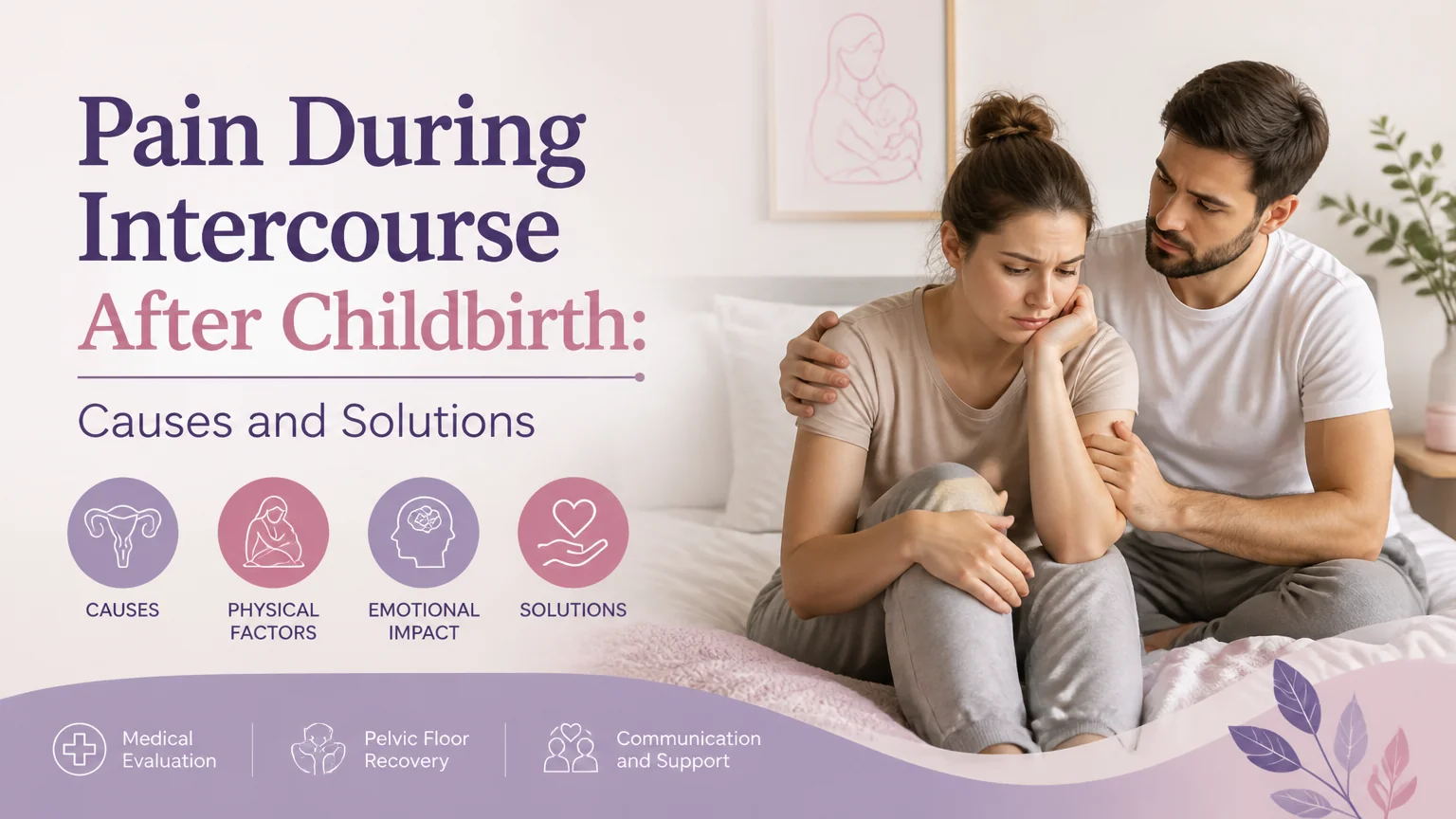
Pain during intercourse after childbirth: causes and solutions - sex pregnancy postpartum
The arrival of a baby changes many aspects of life, including intimacy. Navigate these adjustments with confidence by taking our course on cultivating intimacy post-baby and promoting emotional closeness in your relationship.
After childbirth, a couple’s life undergoes a profound reorganization. Sleepless nights, breastfeeding, the physical pain of recovery, and new responsibilities create a combination of fatigue and stress that affects intimacy. It’s not just a sexual issue: emotional closeness, communication, and roles within the home are transformed. Recognizing that these changes are normal and common helps reduce guilt and opens the door to practical solutions.
Episiotomies, tears, or C-sections can leave the pelvic area sensitive, cause adhesions, or result in pain. Even if the surface appears to have healed, the deep tissues and muscles may take months to regain their elasticity and normal function.
Estrogen levels typically drop during breastfeeding, causing vaginal dryness and reduced elasticity. This increases friction and pain during intercourse. Even after breastfeeding ends, there may be a gradual transition before hormone levels return to their previous levels.
Caring for a baby involves repetitive postures, prolonged breastfeeding, and strain on the neck, shoulders, and pelvis. The pelvic muscles can become tense or painful, which affects sexual relations by causing discomfort or spasms during penetration or stimulation.
Anxiety about the baby’s well-being, fear of failing as a mother or father, postpartum depression, and profound fatigue affect sexual desire and the ability to enjoy intimate contact. When a person is overwhelmed, the body tends to interpret this as a lack of security, which reduces emotional and physical openness.
The body changes, and one’s self-perception may suffer as a result. Feeling less attractive or uncomfortable with one’s own body influences the willingness to engage in intimacy. Additionally, the new role as a parent can lead some people to prioritize themselves less, sacrificing their own needs and generating resentment.
Discrepancies in desire or in the pace of resuming sexual activity can create pressure. One partner may feel rejected, while the other experiences guilt. A lack of clear communication about needs and boundaries often turns these discomforts into prolonged conflicts.
It’s essential to talk without blame or reproach. Instead of accusatory statements, it’s helpful to share specific sensations: where it hurts, which movements are uncomfortable, and what kind of touch brings relief. Setting aside a quiet time to talk—when the baby is being cared for—facilitates a more peaceful conversation.
A gynecologist, midwife, or physical therapist specializing in the pelvic floor can evaluate scarring, neuropathic pain, or muscle tension. In some cases, treatments such as vaginal moisturizers, local hormone therapy, or physical therapy can significantly improve symptoms.
If pain is accompanied by anxiety, trauma, or communication issues, therapy can provide tools to manage emotions, resolve conflicts, and restore intimacy. Specific sex therapy helps re-educate the body’s response and explore pleasurable alternatives without pressure.
Progressive pelvic floor exercises, mindful breathing, and core strengthening promote recovery. It’s important that these exercises be guided by a professional to avoid strain and worsening of symptoms.
Reintegrating into a sexual relationship doesn’t have to be a one-time event: it can be built through small gestures that restore connection. Long hugs, non-genital caresses, massages, and kisses help foster closeness without pressure. Planning intimate moments when both partners are well-rested increases the chances of enjoyment.
If the pain is severe, persistent, or worsens over time, it’s best to seek medical advice as soon as possible. It’s also important to see a healthcare professional if you experience abnormal bleeding, a fever, foul-smelling discharge, or if the pain interferes with daily activities. Early evaluation can prevent complications and speed up recovery.
Maintaining empathy, sharing the responsibilities of caring for the baby, and prioritizing rest are concrete steps that ease the emotional burden. Accepting help from family members or professionals to get more sleep and take care of your mental health is an investment in the relationship. Mutual compassion and flexibility in roles allow both partners to feel supported and allow intimacy to return safely and naturally.
Pain in a relationship after the baby’s arrival is common, but not irreversible. With proper diagnosis, professional support, honest communication, and daily care, it’s possible to restore intimacy and strengthen the bond. The key is to listen to your body, respect your own timeline, and work together to find solutions.
Lorem ipsum, dolor sit amet consectetur adipisicing elit. Repellendus vero suscipit eos libero, aut minus debitis nobis quia porro ad ea nesciunt sed nulla est quod enim, iusto incidunt assumenda.
Search
Popular searches