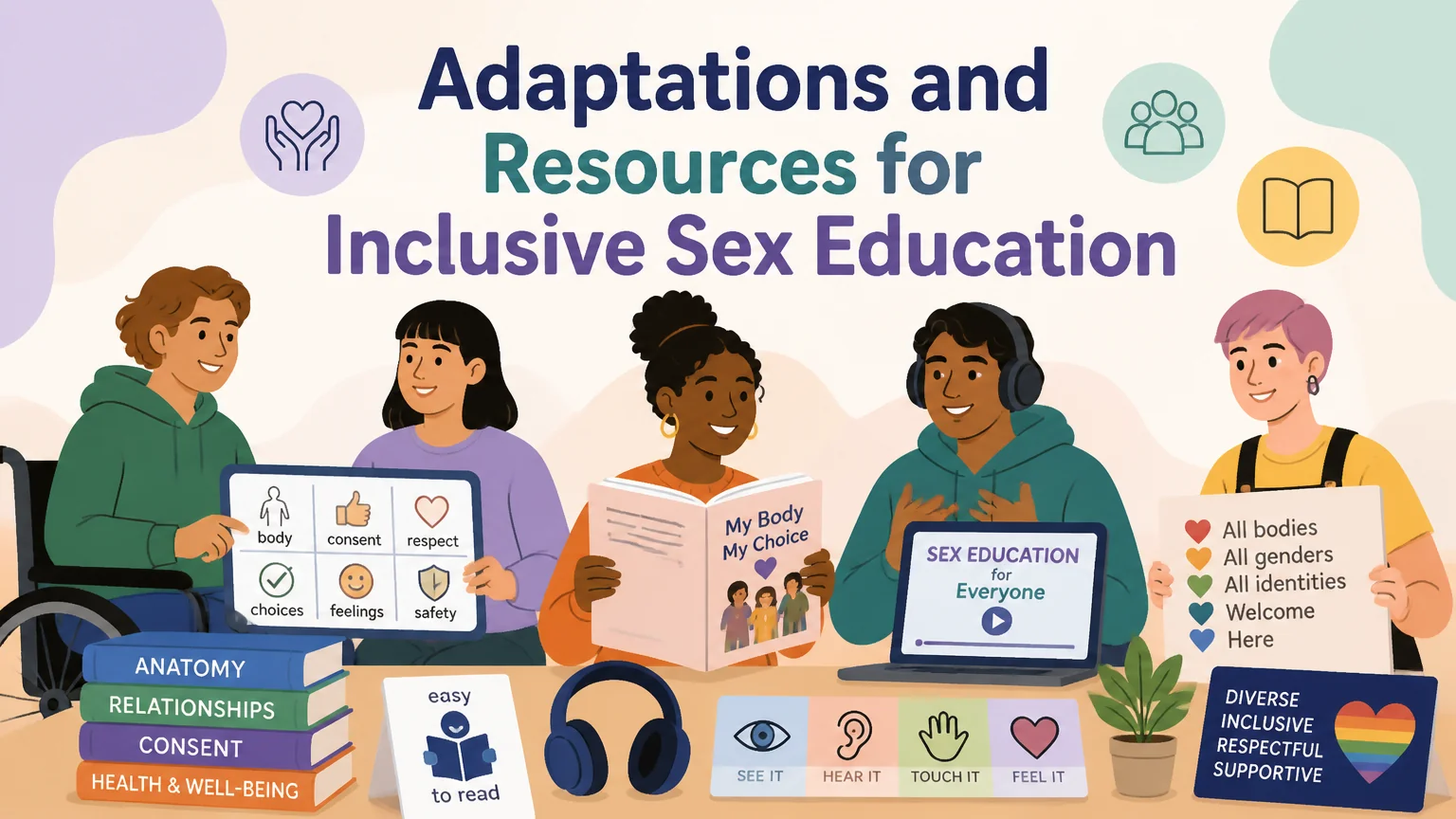
Understanding Emotional Needs of People with Disabilities
Learn to recognize sexuality as a human need for people with disabilities, and use education to affirm rights, set boundaries, and prevent vulnerability.
Watch Video For Onlinecourses55
|
2026-11-10
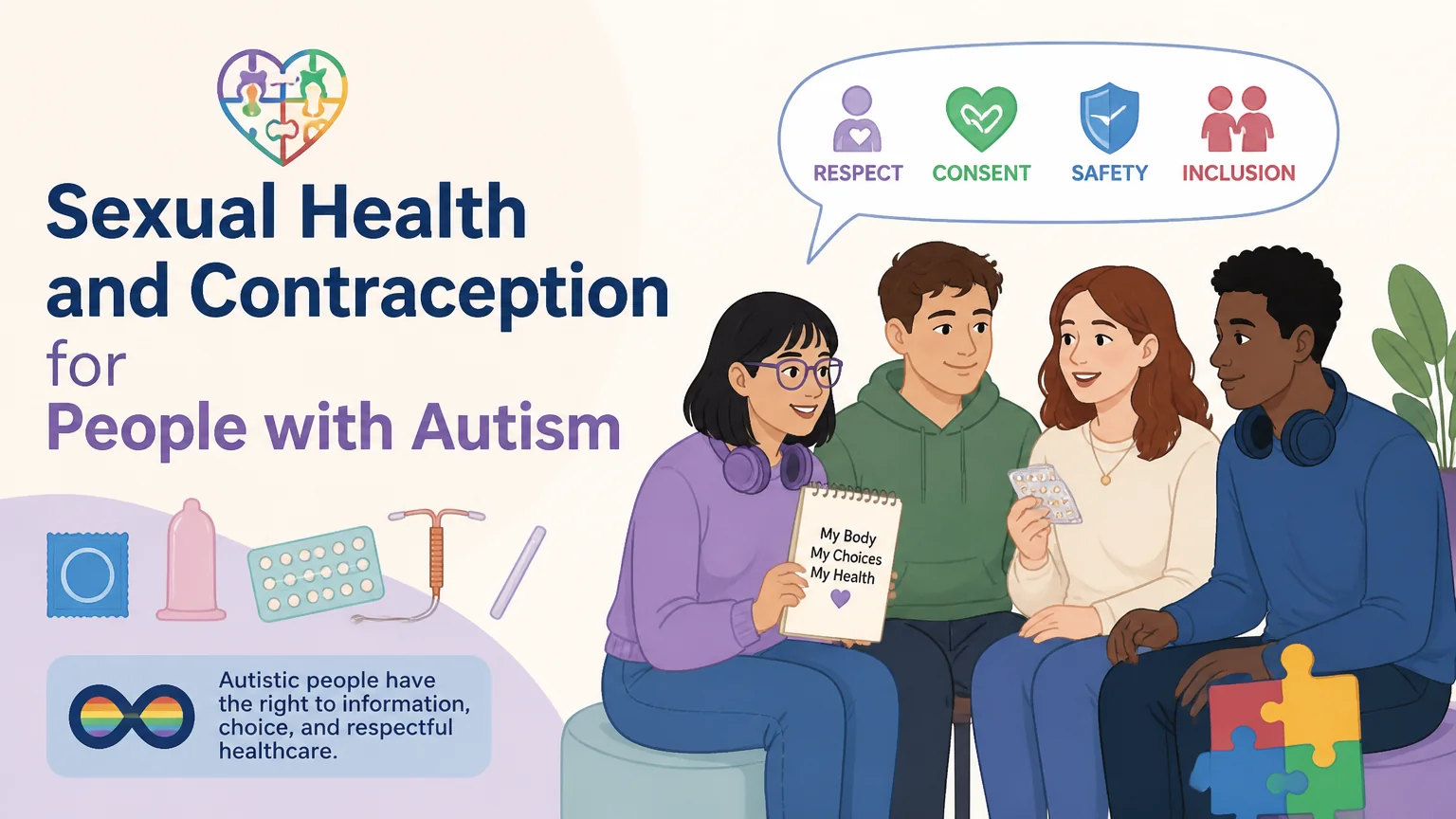
Sexual health and contraception for people with autism
To effectively teach about sexuality and contraception to those on the spectrum, consider this informative course that breaks down essential topics into clear, actionable steps.
Discussing sexuality and contraception with someone on the autism spectrum requires clarity, respect, and specific accommodations. Every person is unique, and needs vary depending on age, level of support, and sensory or social experiences. This text explains key concepts, protection options, how to communicate with professionals, and practical strategies for making informed decisions.
Sexual health encompasses the physical, emotional, and social aspects related to sexuality. It is important to understand anatomy, reproductive cycles, sexually transmitted infections, and contraceptive methods. Education should be practical, with clear examples and visual aids when necessary. It should also cover personal boundaries, consent, and recognizing social cues.
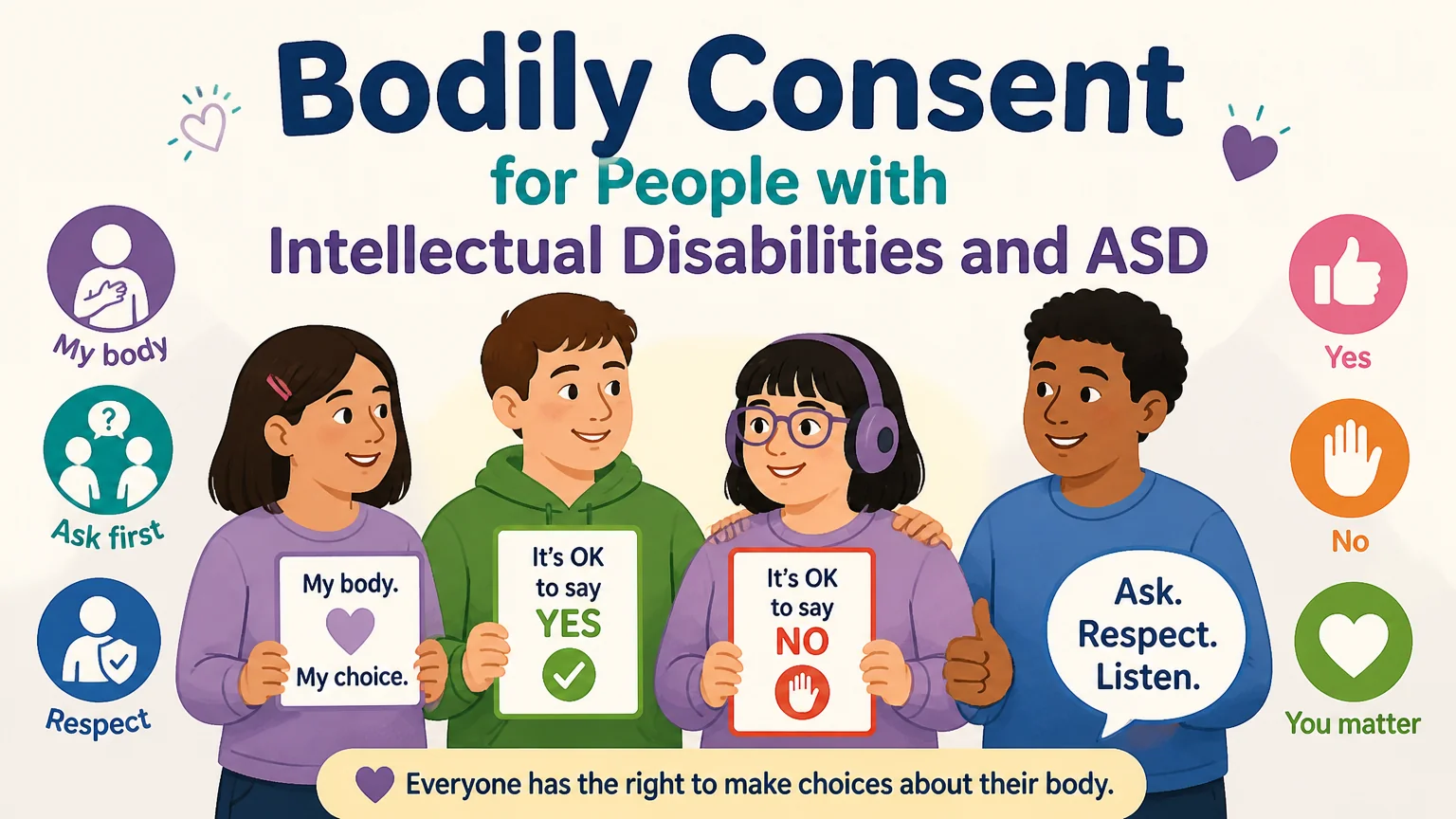
Consent is a clear, free, and enthusiastic agreement between the people involved. Teaching what it means to say yes or no, how to respect responses, and what to do if someone doesn’t understand is essential. Practicing with scripts or role-playing in safe settings helps students internalize these concepts. It should be emphasized that consent can be withdrawn at any time.
When speaking with a person with autism, it is recommended to use direct language, short sentences, and to check for understanding. Open-ended questions can be confusing; it is better to use specific options and allow time to process responses. Documenting sensory preferences and routines facilitates conversations about sex and contraception with healthcare professionals.
Choosing a contraceptive method involves evaluating effectiveness, side effects, ease of use, and compatibility with daily routines and sensory sensitivities. Common options and considerations for people with autism are described below.
Pills, patches, vaginal rings, injections, and hormone-releasing intrauterine devices (IUDs) are common options. Pills require daily adherence, which can be challenging if the person frequently forgets to take them. Long-acting methods such as implants or hormonal IUDs reduce the need to remember doses but require a medical procedure for insertion and removal.
Intrauterine devices do not rely on daily use and are highly effective. Insertion can cause anxiety and sensory discomfort; explaining the procedure using images, scheduling preliminary visits, and employing relaxation techniques can help. It is important to consider pain sensitivity and the possibility that emotional support may be needed during the medical appointment.
Condoms and diaphragms protect against pregnancy and some infections. Condoms are accessible and easy to use, but they require availability and the ability to put them on correctly. For people with tactile sensitivity, the texture or lubricant may be uncomfortable; trying different types can help find comfortable options.
Consistent condom use and communication about STI testing are cornerstones of prevention. Regular testing, vaccines such as the HPV vaccine, and routine medical visits are key recommendations. Information should be provided in a practical and nonjudgmental manner, facilitating access to services where communication and sensory needs are respected.
Seeking out health centers that are inclusive and staffed by professionals trained in neurological diversity improves the experience. Scheduling appointments in advance, bringing a trusted companion, or asking the healthcare provider to explain the procedure step by step helps reduce anxiety. It’s also acceptable to request reasonable accommodations, such as quieter rooms or shorter wait times.
When there is significant dependence or support, family members and caregivers play an important role in sexual health. However, it is essential to respect the person’s autonomy as much as possible. Involvement in decision-making should focus on providing information, offering options, and supporting the person’s own decision-making—not on imposing choices.
Setting reminders for taking birth control, accompanying the person to medical appointments, or helping manage side effects are concrete ways to provide support. It is also helpful to agree on a plan of action for unforeseen situations, such as unplanned sexual encounters or symptoms of STIs, by defining clear steps and trusted contacts.
Emotions related to sexuality can be intense and complex. Working on social skills, empathy, and conflict resolution contributes to safer and more satisfying relationships. Therapy or psychological support specializing in sexuality and neurodiversity can be very helpful in exploring desires, boundaries, and fears.
Encouraging the gradual assumption of responsibilities—such as managing appointments or understanding the effects of medications—reinforces autonomy. Teaching individuals to identify signs of abuse or manipulation and how to ask for help is also essential. Sex education should be ongoing and tailored to each person’s stage of life and abilities.
There are organizations, guidelines, and specialized professionals that offer accessible information on sexuality and contraception for people with autism. Seeking out local associations, support groups, and adapted materials can make learning easier. There are also helplines and sexual health professionals who accept consultations via video call or email, which reduces sensory barriers. Sharing resources with family members and educators helps create a more consistent environment. Don’t hesitate to ask for recommendations at diagnostic centers or sexual health clinics to find appropriate and up-to-date support.
Seeking support enhances safety and autonomy.
Do you prefer learning by watching and listening? Expand your knowledge with these free videos related to this topic.
Learn to recognize sexuality as a human need for people with disabilities, and use education to affirm rights, set boundaries, and prevent vulnerability.
Watch VideoSee how treatment of disabled people evolved from historical marginalization to normalization and inclusion, with legal and educational implications today.
Watch VideoLearn how overprotection and social isolation limit emotional and social growth, with family and community strategies to foster autonomy and inclusion.
Watch VideoSearch
Popular searches