For Onlinecourses55
|
2026-10-28
Community sports management: engaging the grassroots and building loyalty - sports management
Community engagement is at the heart of successful sports programs, so enhance your strategies with our course dedicated to empowering local sports initiatives that foster lasting relationships and participation.
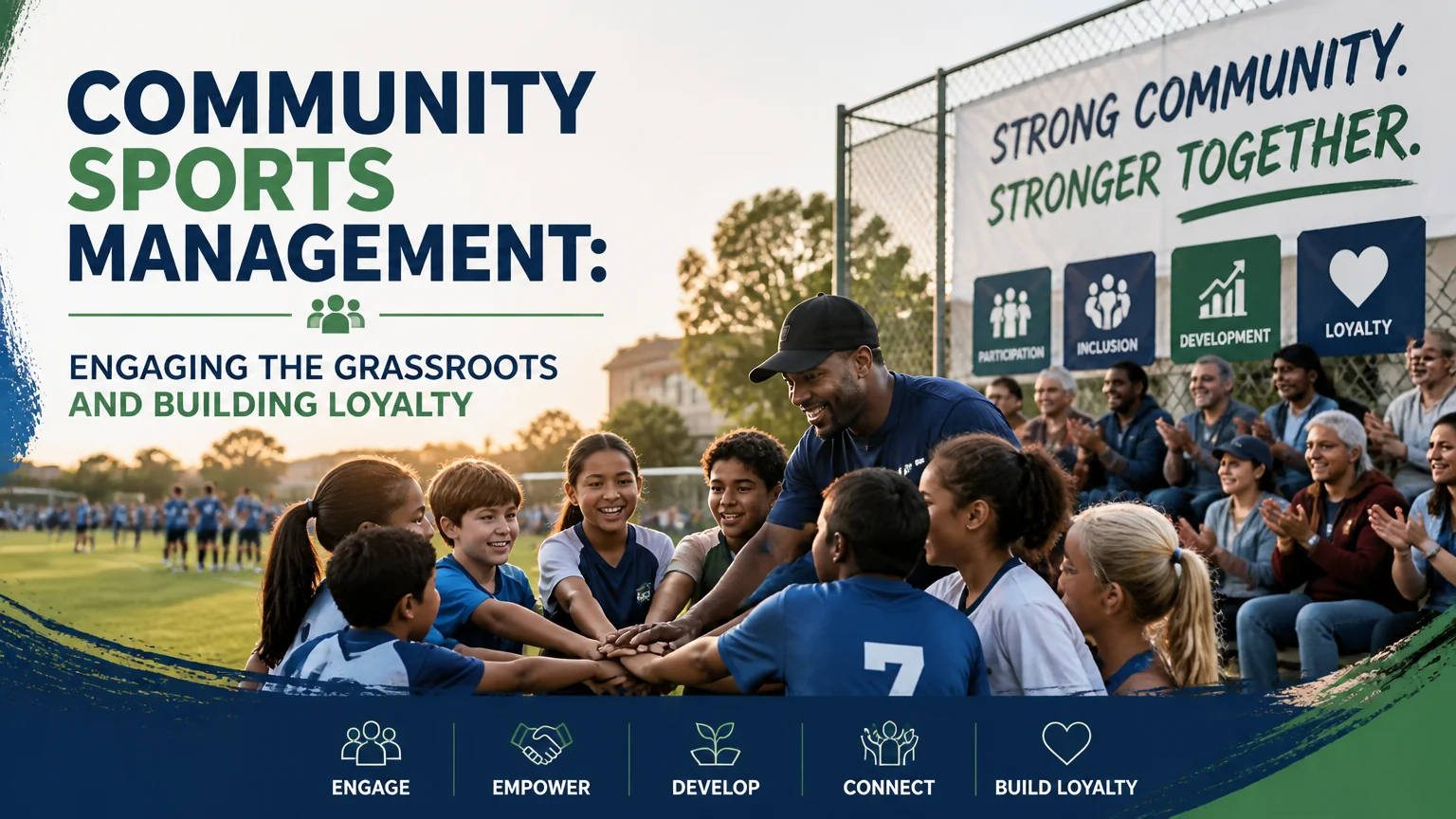
Community sports management aims to put people at the center of physical and recreational activity. When working from the grassroots level, a sense of belonging is fostered, participation is expanded, and lasting relationships are built. A well-designed project not only attracts new participants but also fosters loyalty through positive experiences, development opportunities, and open channels of communication. In this text, I describe practical strategies, programming ideas, and measurement tools to engage the grassroots and turn occasional participants into members committed to the sports community.
Engaging the grassroots means involving families, youth, coaches, and volunteers from the design through the execution of activities. This approach has both social and sporting benefits: it increases social cohesion, improves public health, and creates a sustainable ecosystem around sports. Furthermore, when the grassroots feel that their voice matters, they are more likely to recommend the program to others, which drives organic growth. The initial investment in community participation typically yields a high return in terms of continuity and satisfaction.
Strategies should be simple, replicable, and adapted to the local context. There is no single formula, but there are principles that work: active listening, offering learning opportunities, recognizing contributions, and facilitating participation. Below, I detail specific tactics that can be implemented at different stages of a community sports program’s lifecycle.
Convening roundtable discussions with community representatives before launching an initiative helps identify real needs. These discussions can include parents, youth, neighborhood leaders, and sports professionals. Using short surveys, participatory sessions, and activity prototypes allows the program to be tailored to specific expectations. Additionally, co-creation increases shared responsibility for the project’s success.
Communication must be clear, frequent, and delivered through channels accessible to the community. Combining in-person messages with social media, messaging groups, and posters at key locations ensures greater reach. It is important to communicate not only dates and locations, but also the purpose of the activities, the benefits, and local success stories. Positive and approachable language facilitates participation.
Investing in training for coaches and volunteers builds local capacity that sustains the program. Workshops on sports pedagogy, safety, inclusion, and basic management provide tools to improve the quality of activities. Likewise, offering development pathways for young leaders fosters continuity and creates role models who motivate other participants.
Loyalty is built day by day through consistent and meaningful experiences. It’s not enough to simply offer activities; you must create environments where people feel valued and can grow. Details such as a warm welcome, public recognition of effort, and clear paths for personal improvement make all the difference. It’s also important to diversify the offerings so that people with different backgrounds can find their place within the community.
Making sports accessible involves removing economic, physical, and cultural barriers. Affordable pricing policies, adapted spaces, and flexible schedules promote greater participation. Additionally, creating safe spaces for women, people with disabilities, or minority groups increases the diversity and richness of the community. Inclusion is not only an ethical value but also an effective strategy for expanding the base.
Measuring impact allows for improvement based on data. Establishing simple and relevant indicators facilitates monitoring: number of attendees, monthly retention rate, participant satisfaction, and participation in leadership roles. Collecting qualitative feedback through interviews and focus groups complements the numbers and reveals important nuances. Reviewing results periodically and adapting actions ensures that management responds to real needs.
Seeking mixed funding sources contributes to project stability. Combining public support, small local donations, business sponsorships, and self-funding activities reduces dependence on a single source. Additionally, planning realistic budgets, prioritizing expenses, and measuring the cost per participant enables informed decision-making. Sustainability also involves investing in facility maintenance and ongoing staff training, as perceived quality drives demand. Finally, maintaining transparency in the use of funds and communicating results builds trust among funders and the community itself.
To successfully implement grassroots-oriented sports management, it is advisable to prioritize concrete and measurable actions. Start by mapping out key stakeholders, defining short- and medium-term goals, and preparing a calendar of activities that combines training, practice, and social events. Assign clear responsibilities and establish regular communication channels. Conduct periodic evaluations and adjust initiatives based on the results. Don’t forget to celebrate small achievements and highlight local stories that inspire new participants. With patience and perseverance, these practices lead to greater participation and lasting relationships within the community.
Define weekly tasks, track attendance and processes, and create a brief operational manual with basic protocols. These simple documents help maintain consistency as the team rotates and allow the project to scale effectively without losing its sustainable community essence.
Search
Popular searches