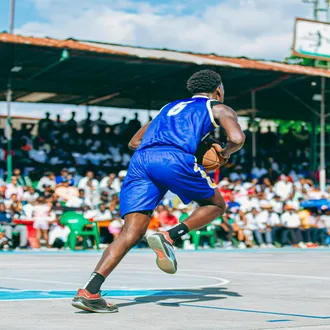
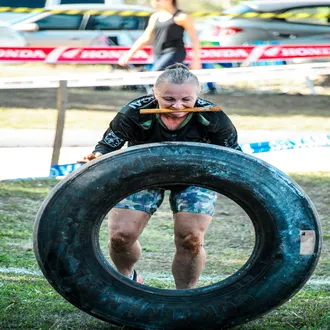
In disciplines where weight determines category or performance, the balance between health and results can become strained to the point of encouraging disordered eating behaviors. The combination of demanding schedules, competitive pressure and cultures focused on a number on the scale creates fertile ground for patterns of restriction, bingeing, purging or obsessive control of food and the body to emerge. Understanding why it happens, how to detect it and what to do is key to protecting athletes and also to improving performance sustainably.
Why these disciplines increase the risk
In sports with weight categories or where a lower body mass seems advantageous, the scale can take on excessive prominence. This mixes with the idea that “suffering now pays off later,” and with locker-room practices passed down that normalize rapid cuts before weigh-ins. Psychologically, perfectionism, self-imposed high standards and the fear of losing one’s spot feed the adoption of increasingly rigid strategies.
Factors in the competitive environment
- Official weigh-ins close to competition that incentivize aggressive last-minute weight cuts.
- Strict category rules, with little flexibility between divisions or weight windows that are too narrow.
- Success models that associate “lighter = better,” replicated by peers and sometimes by staff themselves.
- Travel, time changes and stress that alter appetite and sleep, making adequate nutrition more difficult.
Individual factors
- Perfectionism, need for control and high sensitivity to external evaluation.
- History of injuries, pubertal body changes or periods of poor performance that increase focus on weight.
- Exposure to comments about the body, comparisons on social media and public weigh-ins.
Early warning signs
Signs can be subtle at first. Identifying them early reduces the risk that the relationship with food and the body will develop into a larger problem.
Behavioral indicators
- Avoiding eating with the team or hiding food.
- Increasing use of “compensations” (extra training, sauna, diuretics) after meals.
- Rigid rituals around food: cutting into tiny pieces, eating very slowly or at inflexible times.
- Repeated personal weigh-ins, anxiety before the official weigh-in.
Physical indicators
- Sudden and frequent weight fluctuations.
- Persistent fatigue, dizziness, cramps, dry skin or hair loss.
- In women, menstrual disturbances; generally, increased susceptibility to stress-related injuries.
- Recurrent gastrointestinal problems, constipation or reflux.
Emotional and cognitive indicators
- Constant worry about the body, food and performance.
- Mood changes, irritability, social withdrawal.
- Difficulty concentrating, “brain fog” during training or studies.
Impact on health and performance
Insufficient available energy affects virtually all body systems. In the short term it may seem that the “target” weight is being reached, but the cost is paid on the track, the tatami or in the water.
Short-term consequences
- Loss of power and speed, poorer coordination and slower decision-making.
- Dehydration: lower plasma volume, higher heart rate for the same effort.
- Sleep disruption and poorer recovery between sessions.
Long-term consequences
- Relative Energy Deficiency in Sport (RED-S): affects hormones, metabolism, bone and immunity.
- Decreased bone mineral density and increased risk of stress fractures.
- Gastrointestinal dysfunctions, thyroid disturbances and mental health issues.
- Stalled or declining performance, with a higher risk of dropping out of sport.
Detection and responsible management
The sooner intervention occurs, the better. It is not about “pointing fingers,” but about opening a safe door to comprehensive care.
How to start the conversation
- Choose a private, unhurried moment, and express concern for overall well-being, not appearance.
- Use neutral language: “I’ve noticed some changes and I care about how you feel” instead of judgments or diagnoses.
- Offer support and options, avoiding imposing or threatening sanctions.
Assessment and multidisciplinary team
- Referral to professionals experienced in sport: sports medicine, sports nutrition and psychology.
- Screening tools like the EAT-26 or LEAF-Q can guide, but do not replace a full clinical assessment.
- Clear confidentiality protocols and coordination with coaching staff to protect health and sporting careers.
Safe nutritional strategies in weight-category sports
The goal is not “to be lighter at all costs,” but to compete strong, fresh and healthy. Weight management is planned, not improvised.
Season planning and category selection
- Select the category considering the weight that is stable throughout the year, not the minimum weight achievable after an extreme cut.
- Periodize body composition with enough time outside competition, integrating strength training and nutrition.
- Avoid last-minute changes due to calendar pressures or comparisons with rivals.
Prudent weight loss
- Prioritize gradual composition adjustments focused on fat mass, preserving muscle mass and performance.
- Avoid rapid “cuts” with dehydration, laxatives or diuretics; the physiological cost outweighs any advantage.
- Monitor well-being markers: perceived energy, sleep, mood, recovery and training quality.
Hydration, timing and practical options
- Structure meals around training: a source of carbohydrates and protein before and after supports energy and recovery.
- Include portable snacks when traveling: fruit, yogurt, nuts, sandwiches, simple shakes.
- Plan daily and post-weigh-in hydration; small frequent amounts may be better tolerated than large volumes at once.
- Maintain variety and flexibility: “traffic-light” lists or model plates help without leading to rigidity.
Prevention at team and organizational level
Culture matters. Teams and federations can reduce risks with coherent practices and messages.
- Periodic education for athletes, families and staff about available energy, RED-S and warning signs.
- “No cutting” policies for minors and reasonable limits on weight variation, with private and respectful weigh-ins.
- Use performance metrics not centered on weight: power, technique, RPE, consistency in load.
- Access to nutrition and psychology professionals integrated into sport planning.
Myths and realities
- Myth: “The lighter, the better.” Reality: there is a functional range; below it, performance and health decline.
- Myth: “Rapid cuts are part of the game.” Reality: they increase injuries, reduce power and worsen decision-making.
- Myth: “If I train more, I can eat less.” Reality: higher load requires more energy; the opposite hinders adaptation.
- Myth: “This only affects women.” Reality: it also affects men and all gender identities.
Recovery and return to competition
Recovering from a problem with food requires time and support. The goal is to restore health, confidence and enjoyment of the sport.
Signs of progress
- Adequate and more flexible intake, with less anxiety around meals and weigh-ins.
- More stable energy and mood; improved sleep and recovery.
- Physiological markers within healthy ranges and reduced injuries.
Returning to competition safely
- A return plan agreed upon by the health team and coaching staff.
- Review of weight category: prioritize one that allows sustaining health and performance without cuts.
- Ongoing monitoring and adjustments in load, nutrition and psychological support.
Where to seek help
If you are worried about your habits or those of someone close, speak with a sports health professional, a sports dietitian-nutritionist or a psychologist experienced with athlete populations. You can also go to your club doctor, your federation or local health services for guidance and referral. If there are signs of acute health risk, it is important to seek immediate care.
Competing hard and smart is compatible with caring for the body and mind. Changing the narrative from “weight at any cost” to “sustainable performance” protects careers and, above all, people.

![Eating disorders [ed] in weight-class sports - sports psychology](/images/postDuplicados/onlinecourses55-eating-disorders-ed-in-weight-class-sports.webp "Eating disorders [ed] in weight-class sports - sports psychology")