What does regaining functionality mean?
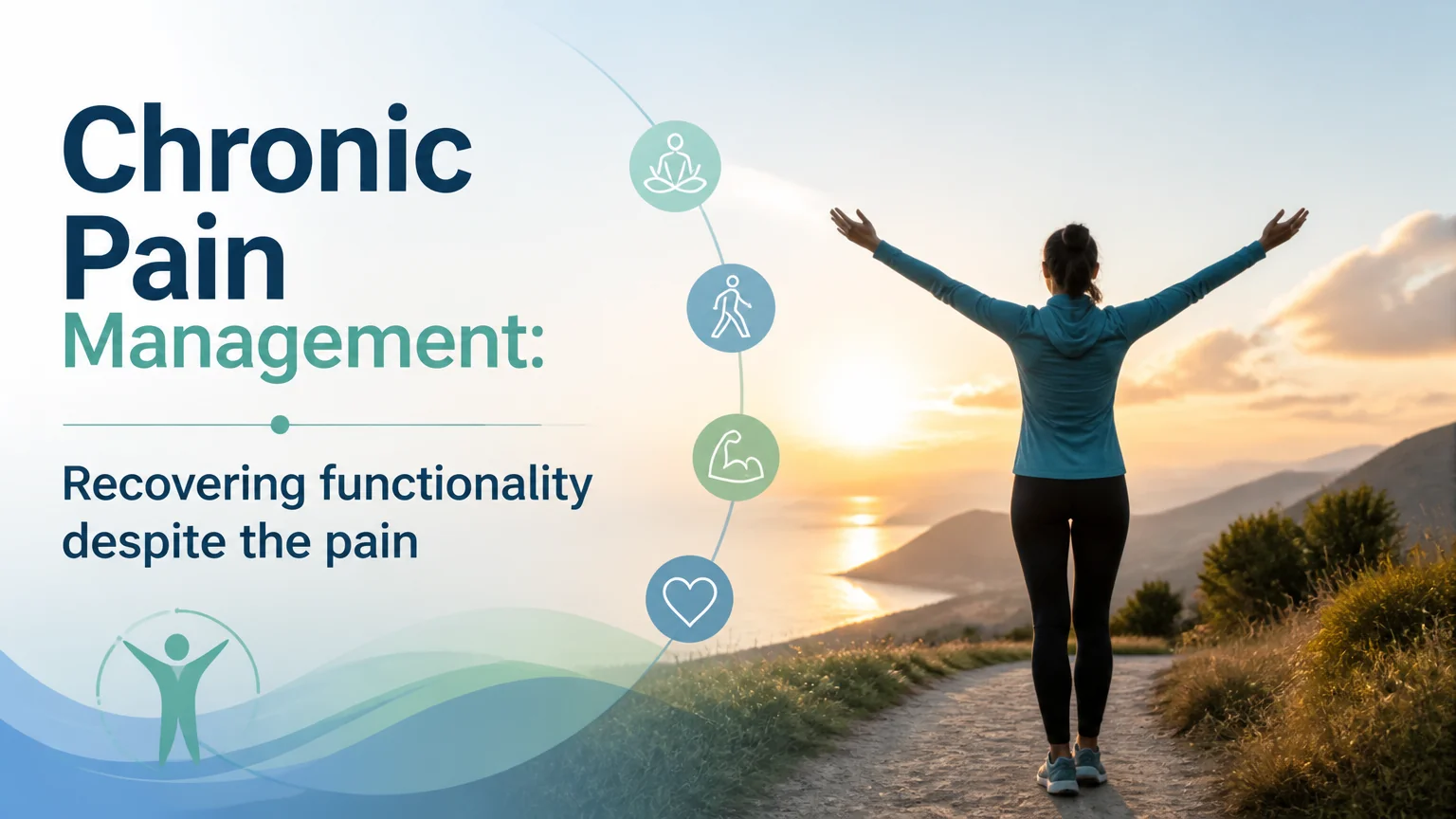
Regaining functionality is not about “eliminating pain” at all costs, but about getting back to doing what matters to you, safely and progressively, even if pain is present. Functionality includes moving, working, studying, taking care of yourself, relating to others and enjoying meaningful activities. Shifting the focus from “zero pain” to “more life with manageable pain” is often a key turning point that reduces frustration and restores your agency.
Pain does not always mean damage
In chronic pain, the nervous system can become more sensitive: signals that previously didn’t hurt are now perceived as threatening. This does not mean that “it’s all in your head”; it means that pain processing has changed. With education, graded movement and regulatory strategies, it is possible to lower that sensitivity and gain capacity.
Setting realistic functional goals
Clear, measurable goals guide the plan. Instead of vague aims, think about concrete behaviors you can increase little by little.
- Walk 10 continuous minutes, 4 days a week, and increase by 2 minutes each week if tolerable.
- Sleep an average of 7 hours with a consistent sleep routine.
- Prepare a homemade meal three times a week without increasing pain by more than 2 points.
- Resume a brief social activity (30–60 minutes) once a week.
- Return to work with adjustments: scheduled breaks and prioritized tasks.
Comprehensive assessment: body, mind and environment
A solid plan considers more than pain intensity. Observe what, when and how it worsens or relieves, along with emotional, sleep and contextual factors.
- Intensity and variability of pain throughout the day/week.
- Impact on mobility, strength, balance and endurance.
- Beliefs about pain: fear of movement, catastrophizing or avoidance.
- Stress, anxiety, mood and social support.
- Sleep quality, habits, medications and comorbidities.
- Demands of work/study and possible adjustments.
Pain education: why it matters
Understanding pain reduces fear and gives you tools. Central sensitization, the nervous “alarm” and the influence of stress explain why pain can persist even without active damage. Knowing this allows you to move with more confidence, decrease hypervigilance and regulate the system gradually.
Safe movement and graded activity
Prolonged complete rest usually worsens stiffness and sensitivity. Appropriately dosed movement is medicine: it nourishes joints, improves circulation and recalibrates the nervous system.
Graded progression and “pacing”
- Establish your baseline: the level of activity you can do consistently without a marked increase in symptoms.
- Use time, not pain, as a guide for progression: small increases (5–10%) per week.
- Avoid the “boom-bust” cycle: don’t overdo it on good days nor stop on bad days; keep the dose.
- Divide tasks into blocks with planned microbreaks.
Types of useful exercise
- Walking or light cycling for endurance, starting with short intervals.
- Strengthening with bodyweight or elastic bands, 2–3 times per week, with 1–2 submaximal sets.
- Joint mobility and gentle stretching daily, prioritizing range without sharp pain.
- Diaphragmatic breathing and motor control exercises to reduce tension.
It is normal to feel manageable discomfort during or after. Differentiate between a “working sensation” and alarming pain. Adjust the volume; do not abandon the practice.
Regulating the nervous system: sleep, stress and energy
Restorative sleep
- Consistent routine: go to bed and get up at the same time.
- Dark, cool and quiet environment; limit screens 60 minutes before bedtime.
- Avoid caffeine/smoking late; have a light dinner.
- If insomnia persists, consider cognitive-behavioral therapy for sleep.
Stress and reactivity
- 4–6 breathing, progressive relaxation or mindfulness 10–15 minutes daily.
- Brief active breaks during the day to “reset” tension.
- Pleasurable low-demand activities: music, nature, art.
Energy and ergonomics
- Plan the day by priorities; alternate demanding tasks with lighter ones.
- Adapt the environment: a chair with support, proper desk height, tools with a good grip.
- Use reminders to change posture every 30–45 minutes.
Psychological therapies with evidence
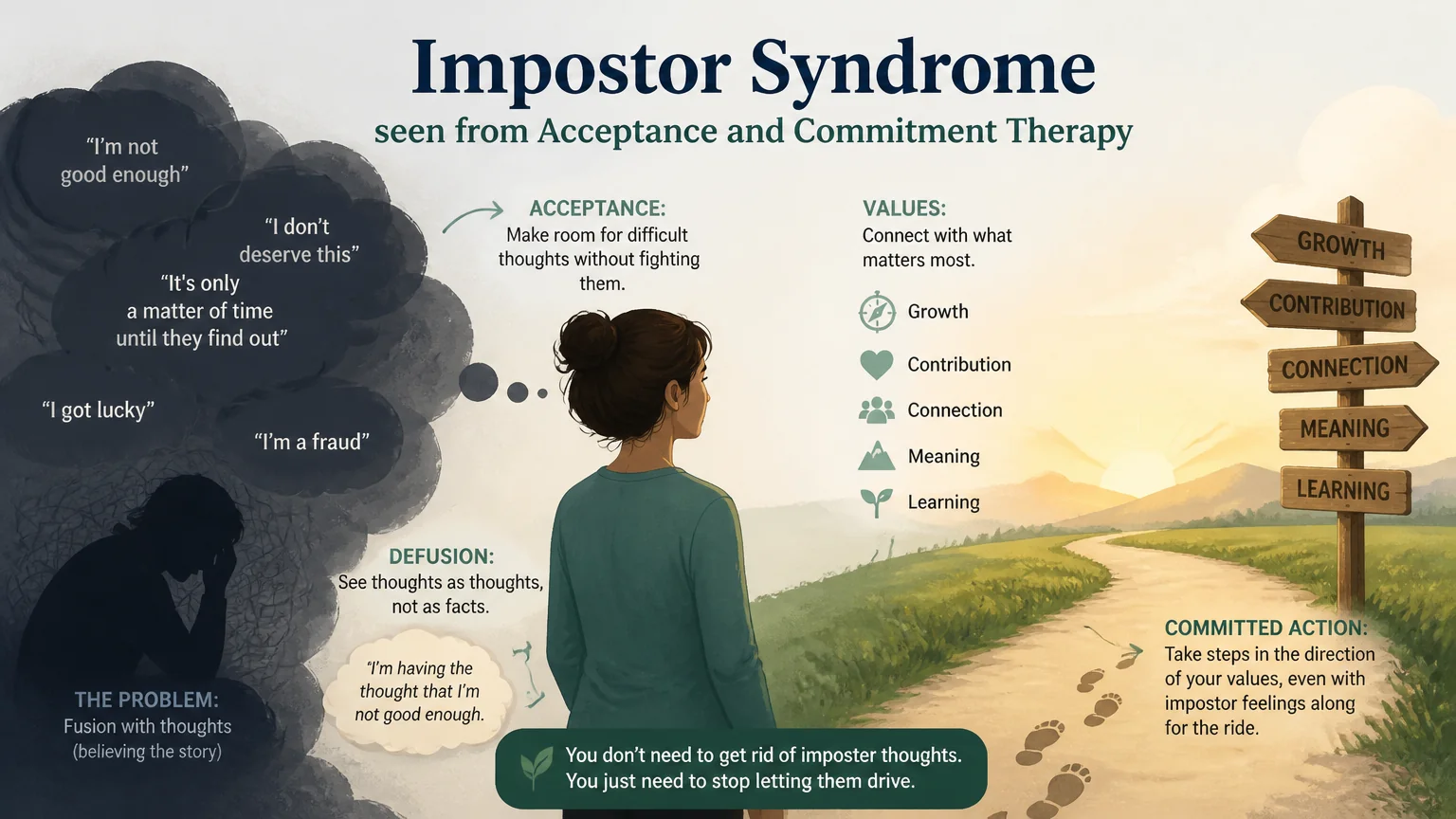
The mind does not “make up” pain, but it does modulate its perception. Interventions such as cognitive-behavioral therapy, acceptance and commitment therapy and pain-focused therapy help reduce fear, prevent avoidance and increase valued behaviors.
- Identify and restructure catastrophizing thoughts.
- Gradual exposure to feared activities, with safety.
- Clarify values and commit to aligned actions.
- Train coping skills and self-compassion.
Responsible use of medication and medical approach
Medication can be a support, not the only strategy. Avoid changing medications on your own and consult professionals. Long-term opioids carry risks; alternatives and the minimum effective doses are usually prioritized.
- Simple analgesics or topical agents for specific peaks.
- Adjuvants (as indicated) when there is a neuropathic or sensitization component.
- Consider non-pharmacological interventions before invasive procedures.
- Ask about goals, duration and a drug tapering plan.
Plan for flare-up days
- Reduce the activity dose, do not eliminate it: maintain a viable minimum.
- Apply heat or cold according to preference, practice slow breathing and take guided pauses.
- Meaningful distraction techniques: call a friend, listen to music, light reading.
- Review triggers and adjust the planning for the next days.
- If the flare-up exceeds your usual plan, contact your health team.
Work, study and social life with adjustments
- Negotiate flexible hours, partial telework or scheduled breaks.
- Divide large projects into small milestones with realistic deadlines.
- Use support tools: ergonomic keyboards, monitor risers, carts.
- Clarify with those around you what help is useful and when you need it.
Social participation, even if brief, nourishes the mood and can decrease pain perception. Start with short, low-physical-demand gatherings.
Measure progress beyond pain
- Active minutes per day and average number of steps.
- Ability to perform household tasks without intense increases in symptoms.
- Sleep quality and morning energy.
- Frequency of flare-ups and recovery time.
- Mood and participation in valued activities.
Tools and monitoring
- Weekly diary of activity, pain and sleep to detect patterns.
- Timers for pacing and reminders for breaks.
- Lists of “minimums” to avoid losing routine on difficult days.
- Periodic evaluations with a physiotherapist and physician to adjust the plan.
Common myths that hinder progress
- “If it hurts, I’m causing damage”: in chronic pain, pain is less an indicator of injury and more a matter of sensitivity; graded movement is safe.
- “I must wait to be pain-free before I move again”: appropriately dosed activity is part of treatment and usually helps reduce pain over time.
- “It’s all psychological”: pain is real; psychological factors modulate the experience, but they do not invalidate it.
- “Only strong drugs help”: a multimodal approach usually provides better sustainable results.
When to seek further evaluation
- New severe pain after a fall or accident.
- Progressive loss of strength, numbness, fever, unexplained weight loss.
- Significant changes in bladder or bowel function.
- Night pain that does not improve with position changes and is accompanied by other worrying symptoms.
Example of a gradual weekly plan
- Monday: walk 10 minutes + mobility 10 minutes + 2 breathing breaks.
- Tuesday: gentle strength (2 sets of 6–8 repetitions of 4 exercises) + desk ergonomics.
- Wednesday: walk 10–12 minutes + pleasant low-demand activity 30 minutes.
- Thursday: active rest: gentle stretching, breathing, sleep on schedule.
- Friday: gentle strength + brief social meeting.
- Saturday: walk 12–14 minutes + self-care routine.
- Sunday: review the week, adjust goals, prepare supports for the next week.
If everything was tolerable, increase walking time by 5–10% or add one repetition per set the following week. If there was a flare-up, maintain or slightly reduce and stabilize before progressing.
Final message
Living with chronic pain is challenging, but it does not define your possibilities. With education, a graded activity plan, stress regulation and appropriate supports, you can regain functionality and expand your life around the pain. Keep realistic expectations, celebrate small gains and seek a network of professionals and people who support you. Your body and nervous system can adapt: step by step, with patience and consistency.