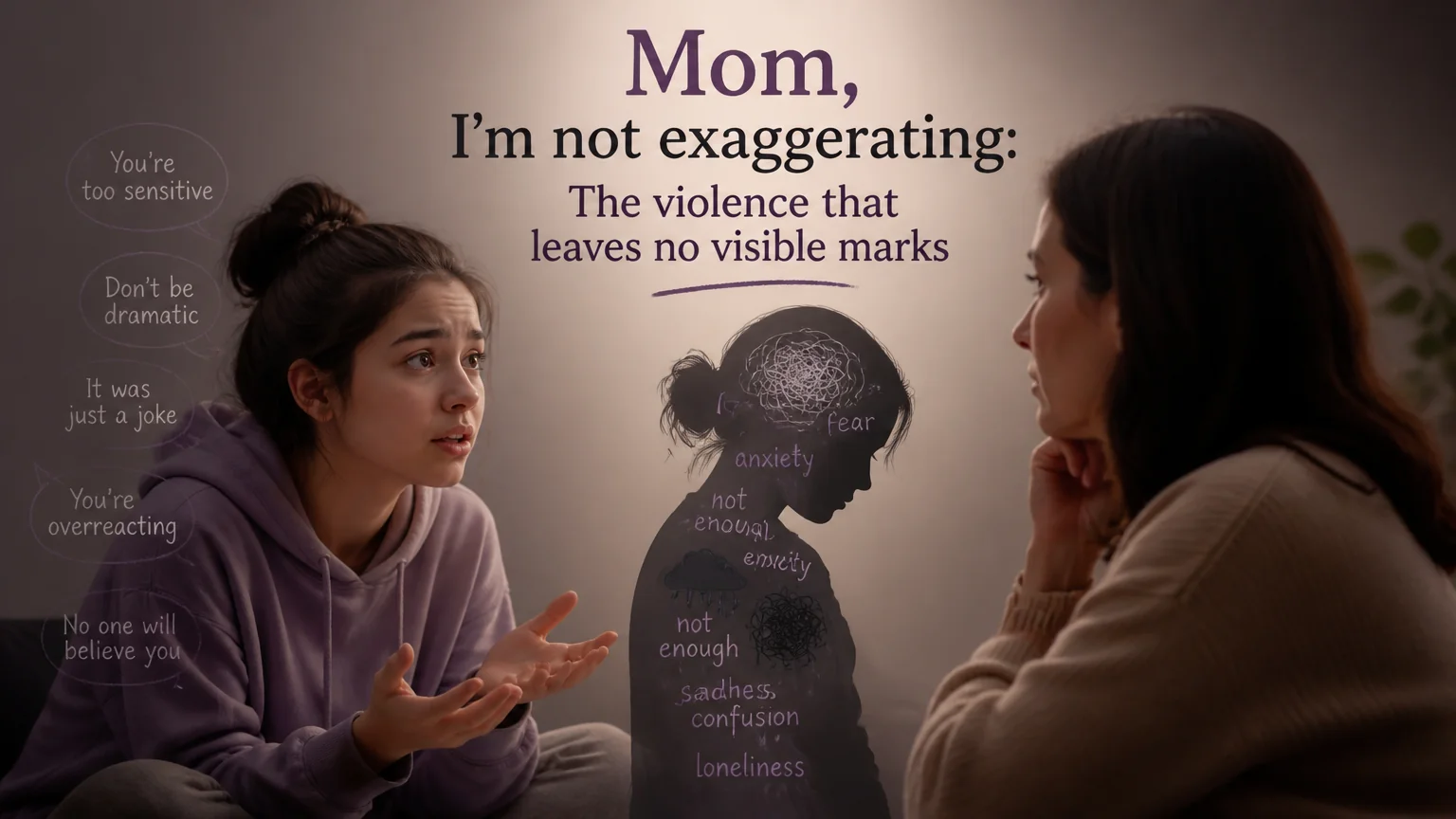
Definition and scope of psychological violence: an overview
Recognize psychological abuse: escalating tactics, microaggressions, economic and spiritual control, and how they erode self-esteem and create helplessness.
Watch Video For Onlinecourses55
|
2026-11-10
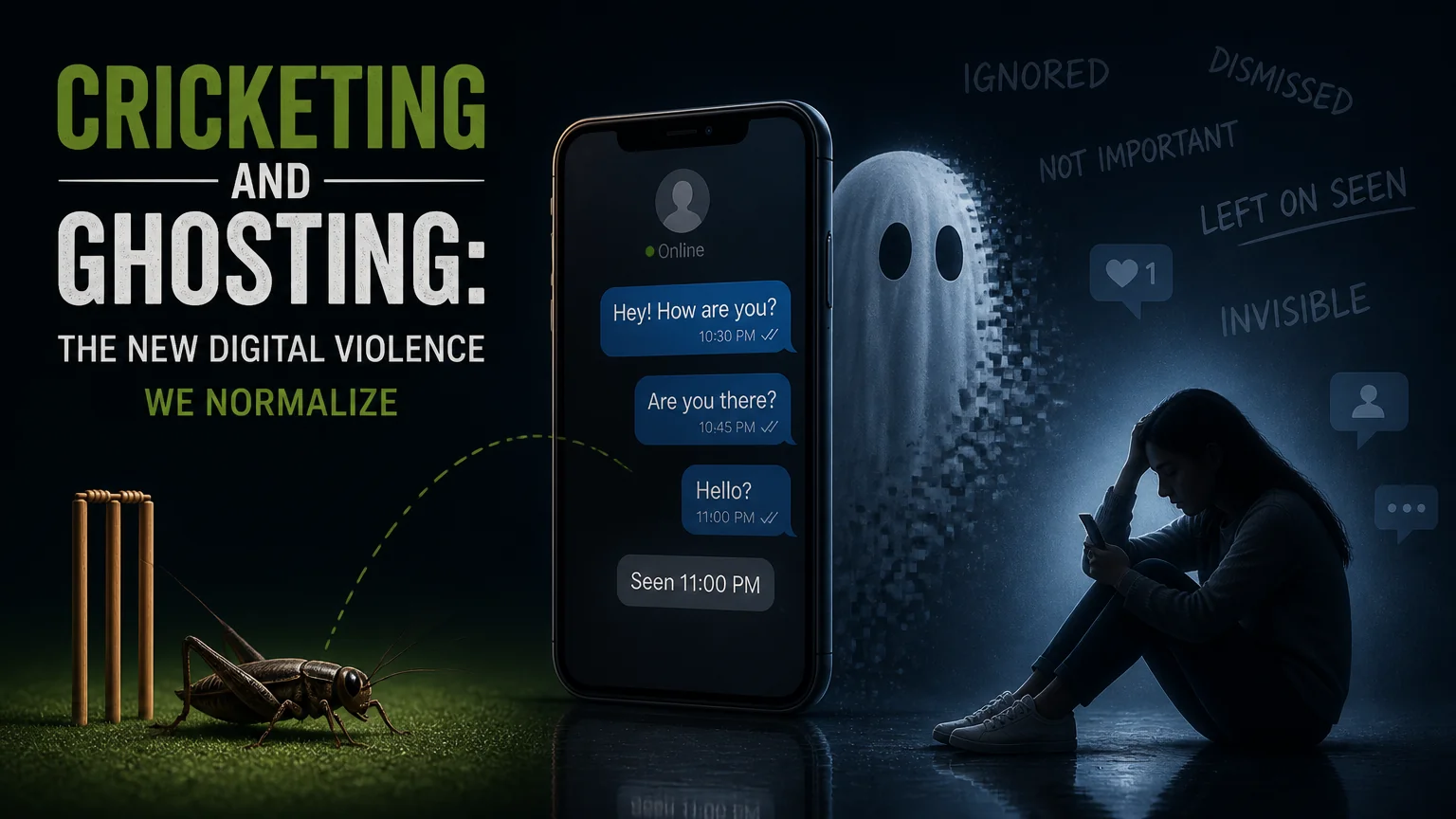
Cricketing and ghosting: the new digital violence we normalize
Understanding the new forms of digital violence is crucial in today's world. To better equip yourself with strategies for healthy interactions, consider enrolling in this fascinating course that delves into the psychology of violence and its modern manifestations.
We live in a digital age where connectivity is constant and relationships are formed and dissolved with the same ease with which we swipe a finger on a screen. However, this digital omnipresence has brought new forms of interaction, some of them deeply harmful. The cricketing and the ghosting are two alarming examples of this new digital violence that, unfortunately, is becoming normalized.
The cricketing, derived from the sound of crickets (crickets in English) symbolizing silence, refers to the practice of keeping someone "on hold" in a potential relationship. Imagine you are chatting with someone you are interested in. They respond to your messages inconsistently, sometimes quickly, sometimes taking days or even weeks. They keep you hooked with small doses of attention, but without real commitment. This person is "cricketing" you.
Cricketing is a subtle form of emotional manipulation. The person who practices it enjoys the power they exert by keeping their "victim" in a state of uncertainty and longing. It is never clear where the relationship stands, which generates anxiety, confusion and a constant need for validation on the part of the person who receives the "cricketing".
Ghosting is even more direct and brutal. It consists of cutting off all communication with someone abruptly and without any explanation. From one day to the next, the person simply disappears. They stop responding to messages, block phone numbers and social media, and vanish like a ghost (ghost in English).
Unlike cricketing, where there is at least an appearance of interaction, ghosting implies absolute silence. The person who is "ghosted" is left without answers, wondering what went wrong and feeling deeply rejected. This lack of closure can be devastating for self-esteem and mental health.
Both cricketing and ghosting are forms of cyberbullying and digital violence that can have serious consequences for the mental health of affected individuals:
The normalization of cricketing and ghosting is a reflection of several factors:
Combating this digital violence requires a collective effort to raise awareness about its harmful effects and promote healthier and more respectful online relationships:
Cricketing and ghosting are symptoms of a deeper problem: the dehumanization of relationships in the digital age. To build more meaningful and healthy online relationships, we must remember that behind every profile there is a real person with emotions and feelings.
Technology is a powerful tool, but it should not replace empathy, honesty and respect. It is time to redefine our relationships in the digital age and build a future where virtual connection is based on authenticity and compassion.
Do you prefer learning by watching and listening? Expand your knowledge with these free videos related to this topic.
Recognize psychological abuse: escalating tactics, microaggressions, economic and spiritual control, and how they erode self-esteem and create helplessness.
Watch VideoLearn to spot subtle psychological abuse: an abuser’s charming mask, erosion through repetition, and bodily signals and intuition that warn you of danger early.
Watch VideoLearn to distinguish toxic behavior from abuse, recognize gaslighting and other risks, know when to seek help, and why leaving or no contact can be safest.
Watch VideoSearch
Popular searches