For Onlinecourses55
|
2026-03-09
For Onlinecourses55
|
2026-03-09

Is it necessary to take a course on allergens to work in the hospitality industry? - allergens
Curious about improving food safety at your establishment? Discover the impact of allergens on dining experiences and engage in the training program for handling food sensitivities to elevate your service quality.
Hello to everyone working in the hospitality industry! If you are reading this, you have probably wondered if it is really necessary to take an allergens course to work in a restaurant, bar, or any other food business. The short answer is: yes, and I''m going to tell you why!
Imagine for a moment: you are enjoying a delicious paella at a beach bar by the sea. What a great feeling! But what if that paella contains an ingredient you are allergic to and you don''t know it? The experience would quickly turn into a nightmare. Food safety is fundamental in hospitality, and this goes far beyond just avoiding spoiled food.
Allergens are substances present in some foods that can cause adverse reactions in sensitive people. These reactions can range from a simple skin rash to anaphylactic shock, which can be fatal. It''s frightening just thinking about it!
Not taking allergens seriously can have severe consequences, both for the customer and the establishment. A customer can become seriously ill, and the restaurant may face lawsuits, sanctions, and, worst of all, a loss of reputation. Nobody wants their business to be known for poisoning people!
The good news is that legislation in Spain is increasingly focused on protecting allergic consumers. There are laws that mandate establishments to clearly inform about the allergens present in their dishes.
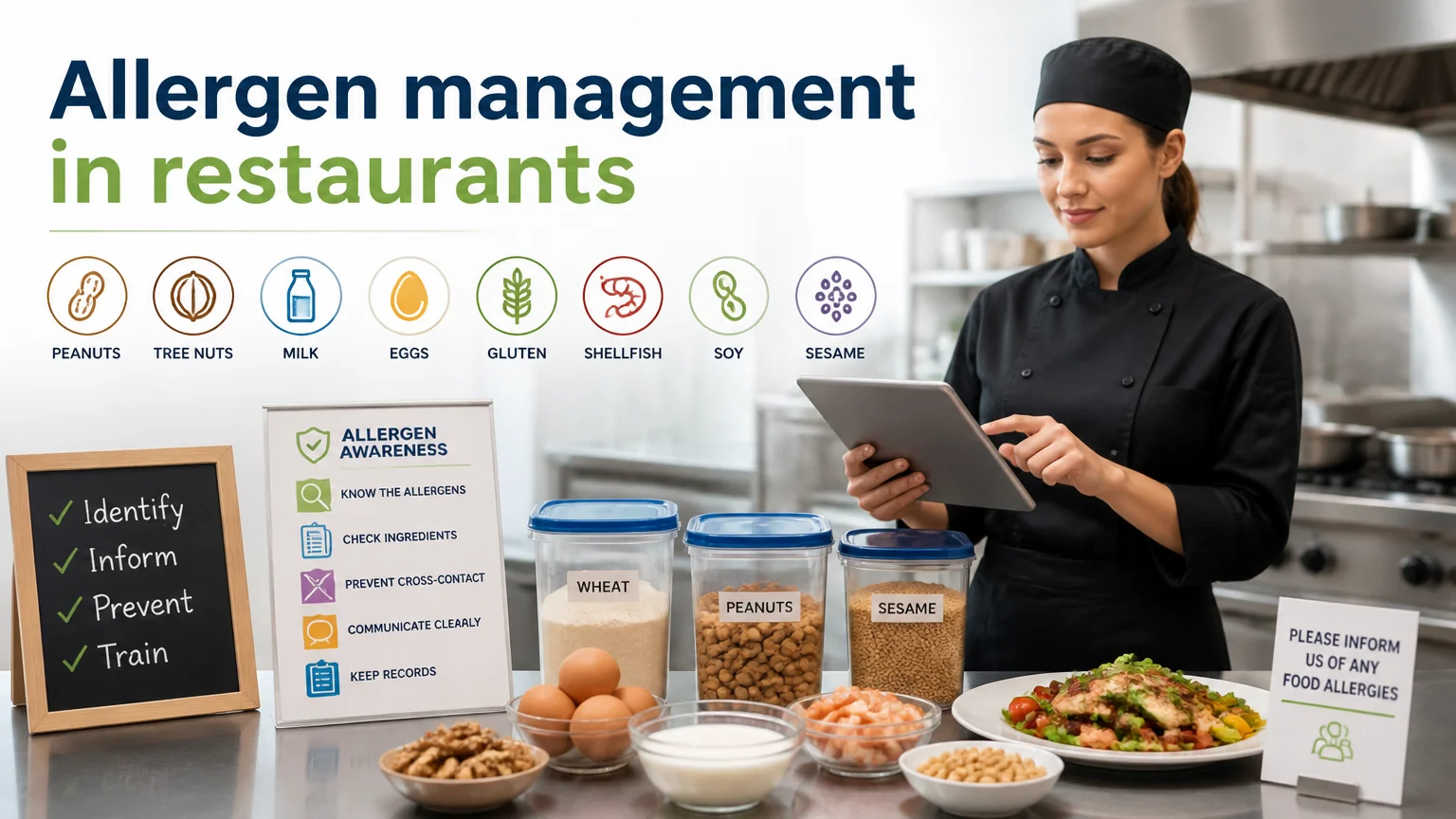
This European regulation is the basis of all allergen legislation in the European Union. It establishes the obligation to inform about the presence of 14 common food allergens: gluten, crustaceans, eggs, fish, peanuts, soy, milk, nuts, celery, mustard, sesame, sulphites, lupin, and molluscs.
This Spanish law complements the European regulation and establishes the basis for guaranteeing food safety throughout the country. It is a general framework covering everything from production to food consumption.
An allergens course is a training program designed to train hospitality professionals in allergen management. You will learn how to identify common allergens, prevent cross-contamination, and correctly inform customers.
In an allergens course, the following topics are usually covered:
Taking an allergens course is not only a legal obligation but also an investment in the safety and reputation of your business.
The most important benefit is, without a doubt, protecting allergic customers. Good allergen management can save lives.
Complying with current legislation avoids sanctions and legal problems. Better safe than sorry!
A restaurant that cares about the safety of its customers gains trust and a good reputation. Word of mouth is the best advertising!
Here comes the million-dollar question: is it mandatory to take an allergens course to work in hospitality in Spain? The answer is a bit more complex than it seems. At the national level, there is no law that specifically mandates taking an allergens course. However...
Some autonomous communities do have specific regulations that require allergen training for hospitality staff. For example, in some regions, it is mandatory that at least one person per establishment holds an allergen training certificate. It is essential to find out about the current legislation in your autonomous community.
If you have decided to take an allergens course (excellent decision!), it is important to choose one that is high quality and provides you with the necessary knowledge to effectively manage allergens.
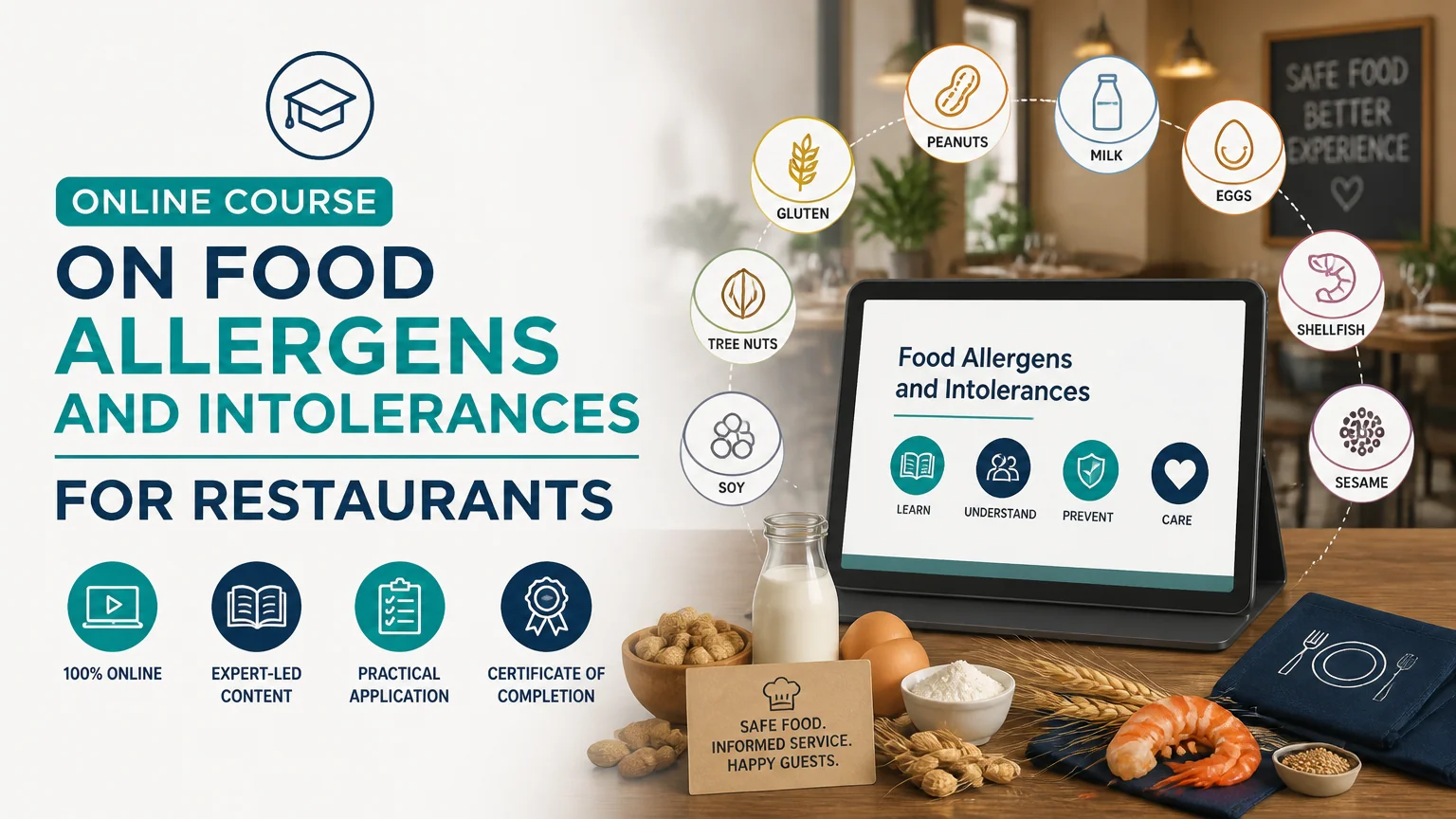
There are both in-person and online allergens courses. In-person courses are usually more interactive and allow for real-time doubt resolution. Online courses, on the other hand, are more flexible and better adapt to your schedule.
When choosing a course, consider the following criteria:
In summary, even if it is not always mandatory at the national level, taking an allergens course is highly recommended for anyone working in hospitality. Not only will it help you comply with current legislation, but it will also allow you to protect your customers, improve the reputation of your business, and ultimately offer a higher quality service. Don''t hesitate any longer, and get trained in allergens!
Search
Popular searches