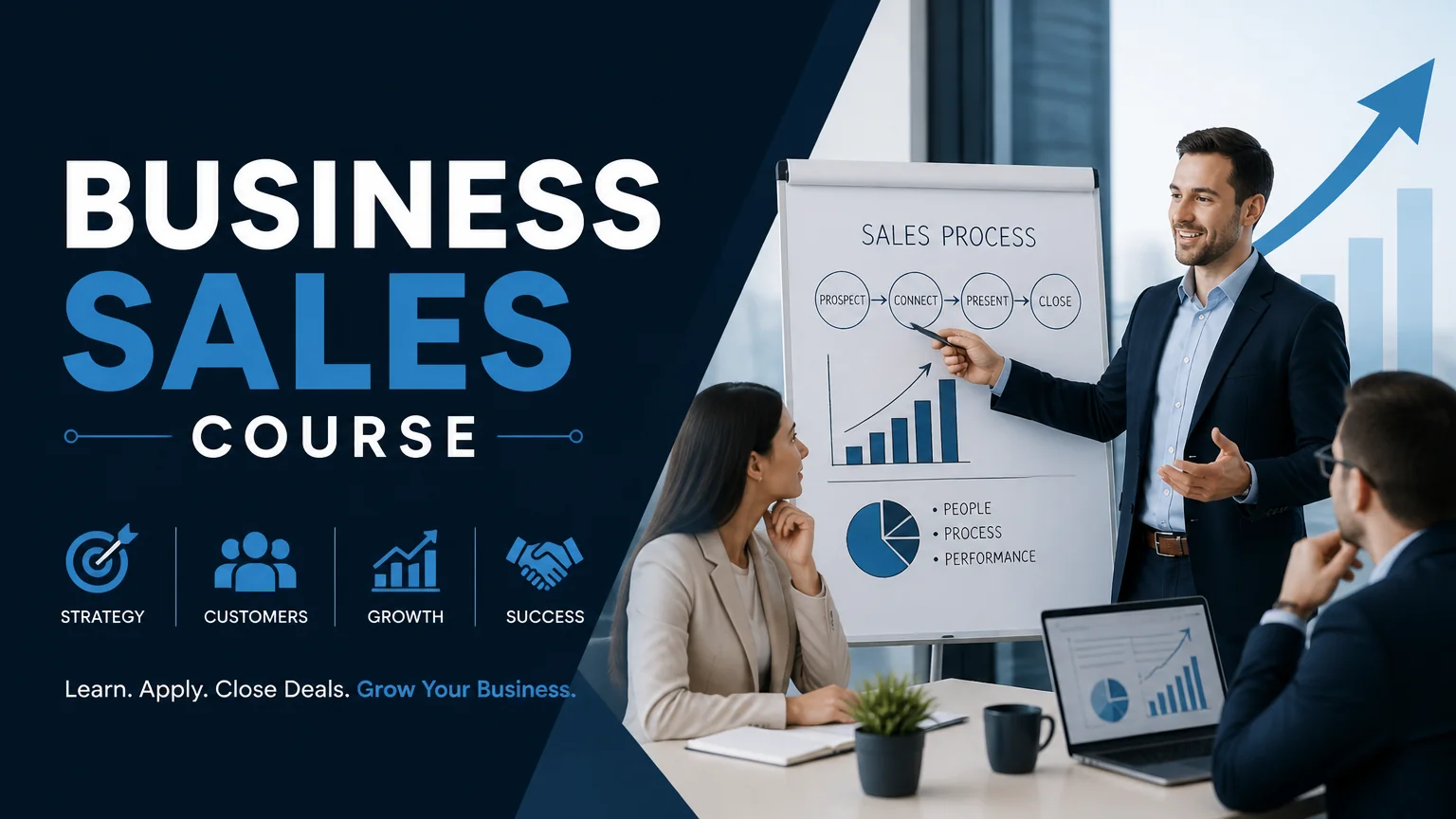
In the competitive world of business, sales are the engine that drives growth and profitability. However, selling is not just about offering a product or service; it's about building relationships, understanding customer needs, and providing solutions that create value. A business sales course can be the tool you need to transform your sales team and take your company to the next level.
Why Invest in a Sales Course for Your Business?
A well-structured sales course not only teaches sales techniques but also provides a deep understanding of the sales process, consumer behavior, and marketing strategies. Here are some key reasons why you should consider investing in one:
- Increase Sales and Revenue: A well-trained sales team is more effective at closing deals and generating revenue.
- Improve Customer Retention: Communication skills and the ability to build strong customer relationships are fundamental to fostering loyalty.
- Optimize the Sales Process: A course can help you identify bottlenecks in your sales process and implement strategies to improve efficiency.
- Develop Key Skills: Your employees will learn negotiation techniques, objection handling, and sales closing, among other essential skills.
- Foster a Culture of Continuous Improvement: A sales course can motivate your team to constantly seek ways to improve their performance and exceed their goals.
The Key Elements of a Successful Sales Course
Not all sales courses are created equal. To ensure you are investing in a quality option, look for a course that includes the following elements:
- Sales Fundamentals: Understanding the sales cycle, prospecting, lead qualification, and the importance of research.
- Communication Skills: Mastering active listening, verbal and non-verbal communication, and the ability to adapt the message to different audiences.
- Negotiation Techniques: Learning to identify customer needs, present value-generating solutions, and handle objections effectively.
- Closing Sales: Mastering different closing techniques, knowing when and how to ask for the business, and ensuring customer satisfaction.
- Use of Tools and Technology: Learning to use CRM (Customer Relationship Management) and other technological tools to manage customers, track sales, and analyze results.
Types of Business Sales Courses
There are different types of sales courses, each with its own advantages and disadvantages. Some of the most common are:
- In-Person Courses: They offer the opportunity to interact directly with the instructor and other participants, which can facilitate learning and networking.
- Online Courses: They allow you to learn at your own pace and from anywhere, which can be ideal for people with busy schedules.
- Customized Courses: Tailored to the specific needs of your business, which can maximize the learning impact.
- Workshops and Seminars: Intensive sessions that focus on a specific topic, such as prospecting or closing sales.
- Coaching Programs: A sales coach works individually with participants to help them develop their skills and achieve their goals.
How to Choose the Right Sales Course for Your Business
Choosing the right sales course can be a challenge, but here are some tips to make the process easier:
- Define Your Objectives: What do you hope to achieve with the course? Do you want to increase sales, improve customer retention, or develop new skills in your team?
- Assess Your Needs: What skills and knowledge does your sales team need to develop? What type of course best fits your budget and schedule?
- Research Providers: Look for sales course providers with a good reputation and experience in your industry. Read reviews and testimonials from other clients.
- Consider the Course Content: Make sure the course covers topics that are important to your business and is adapted to your experience level.
- Check the Instructor's Credentials: Ensure the instructor has sales experience and is a good communicator.
Modern Sales Strategies You Should Know
The world of sales is constantly evolving, so it's important to stay up-to-date with the latest strategies and trends. Here are some of the most important ones:
- Consultative Selling: It focuses on understanding the customer's needs and offering personalized solutions that create value.
- Social Selling: It uses social media to connect with potential customers, build relationships, and generate leads.
- Inbound Sales: It attracts potential customers through valuable content and guides them through the sales process.
- Account-Based Marketing (ABM): It focuses on identifying and targeting specific accounts that are key to your business's growth.
- Data-Driven Selling: It uses data and analytics to understand customer behavior, optimize the sales process, and improve decision-making.
The Impact of Technology on Sales Training
Technology has revolutionized the way sales courses are delivered. Online learning platforms, video conferencing tools, and learning management systems (LMS) have made training more accessible, flexible, and effective.
- Remote Learning: Online courses allow participants to learn from anywhere and at their own pace.
- Sales Simulations: Interactive simulations allow participants to practice their skills in a safe and controlled environment.
- Data Analysis: Data analysis tools allow instructors to track participants' progress and adapt the course content accordingly.
- Gamification: Gamification uses game elements, such as points, badges, and leaderboards, to motivate participants and make learning more fun.
- Virtual and Augmented Reality: Virtual and augmented reality can be used to create immersive and realistic learning experiences.
Key Metrics to Evaluate the Success of a Sales Course
To ensure your investment in a sales course is paying off, it is important to track key metrics. Some of the most important are:
- Increase in Sales: Measure the increase in sales and revenue after your team has completed the course.
- Improved Conversion Rate: Measure the percentage of potential customers who convert into paying customers.
- Increased Average Order Value: Measure the average amount each customer spends per purchase.
- Improved Customer Retention: Measure the percentage of customers who continue to buy from your company over time.
- Increased Customer Satisfaction: Measure the level of customer satisfaction through surveys and feedback.
Additional Tips to Maximize the Impact of Your Sales Course
- Involve Senior Management: Support from senior management is fundamental to the success of any training program.
- Create a Positive Learning Environment: Encourage participation, collaboration, and the exchange of ideas.
- Offer Continuous Feedback: Provide participants with regular feedback on their progress and performance.
- Reinforce Learning: Offer opportunities for participants to practice their skills and apply what they have learned.
- Measure and Evaluate the Results: Track key metrics and evaluate the course's impact on your business.
The Future of Sales Training: Adaptation and Personalization
The future of sales training focuses on adaptation and personalization. Sales courses must be tailored to the specific needs of each business and the individual learning styles of the participants. Furthermore, training should be continuous and integrated into the daily workflow.
Conclusion
In summary, investing in a business sales course can be one of the best decisions you make to boost your company's growth and profitability. By choosing the right course, implementing modern sales strategies, and measuring the results, you can transform your sales team and take your business to the next level. Remember, continuous training is key to staying competitive in the dynamic world of sales. Don't wait any longer, start investing in your team today!


 For Onlinecourses55
|
2026-11-28