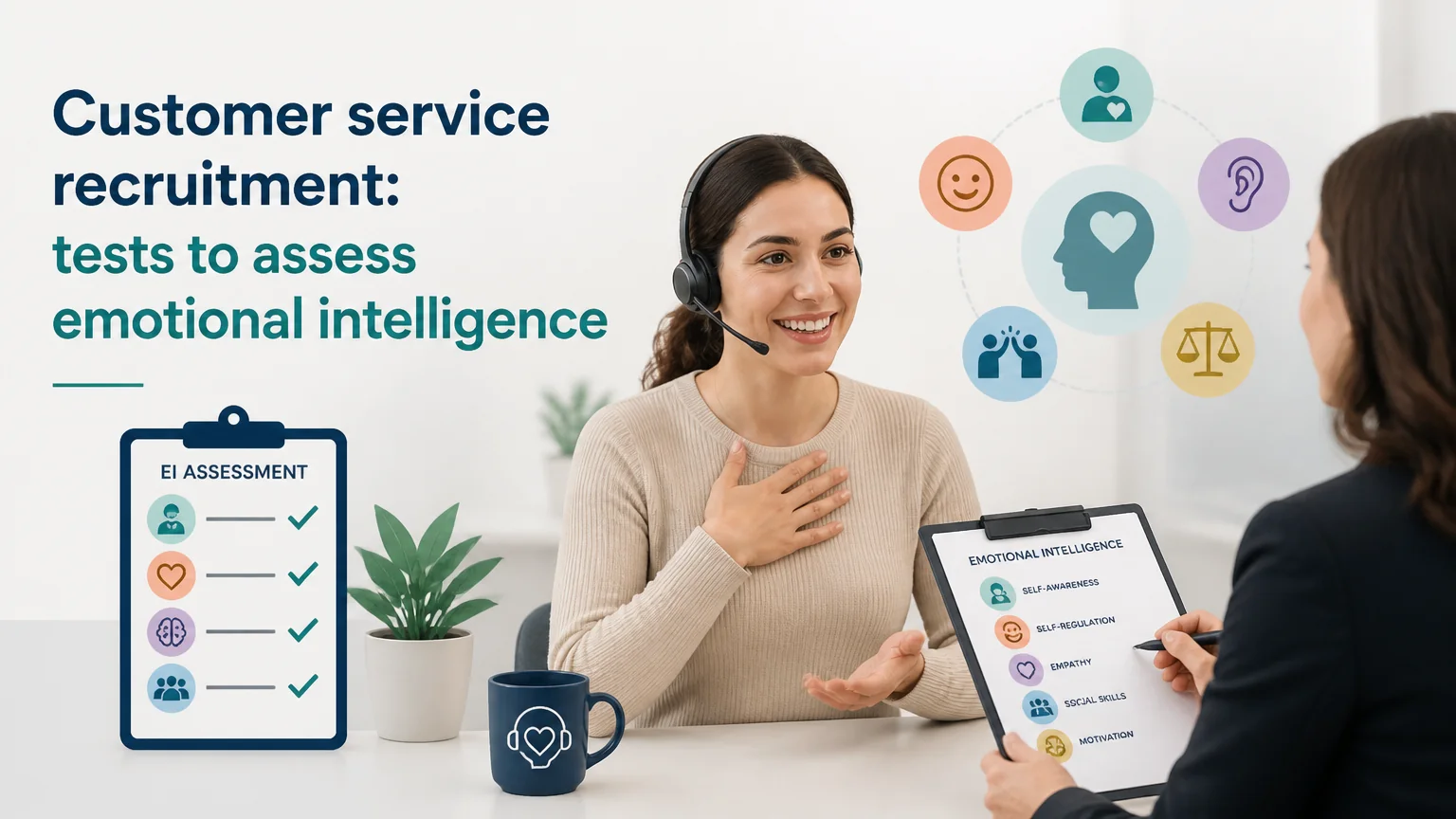
An Introduction to the Philosophy of Care and Attention
Discover how to identify and express motivation to improve customer service, applying empathy and adaptability in real-life situations beyond rigid manuals.
Watch Video For Onlinecourses55
|
2026-11-19
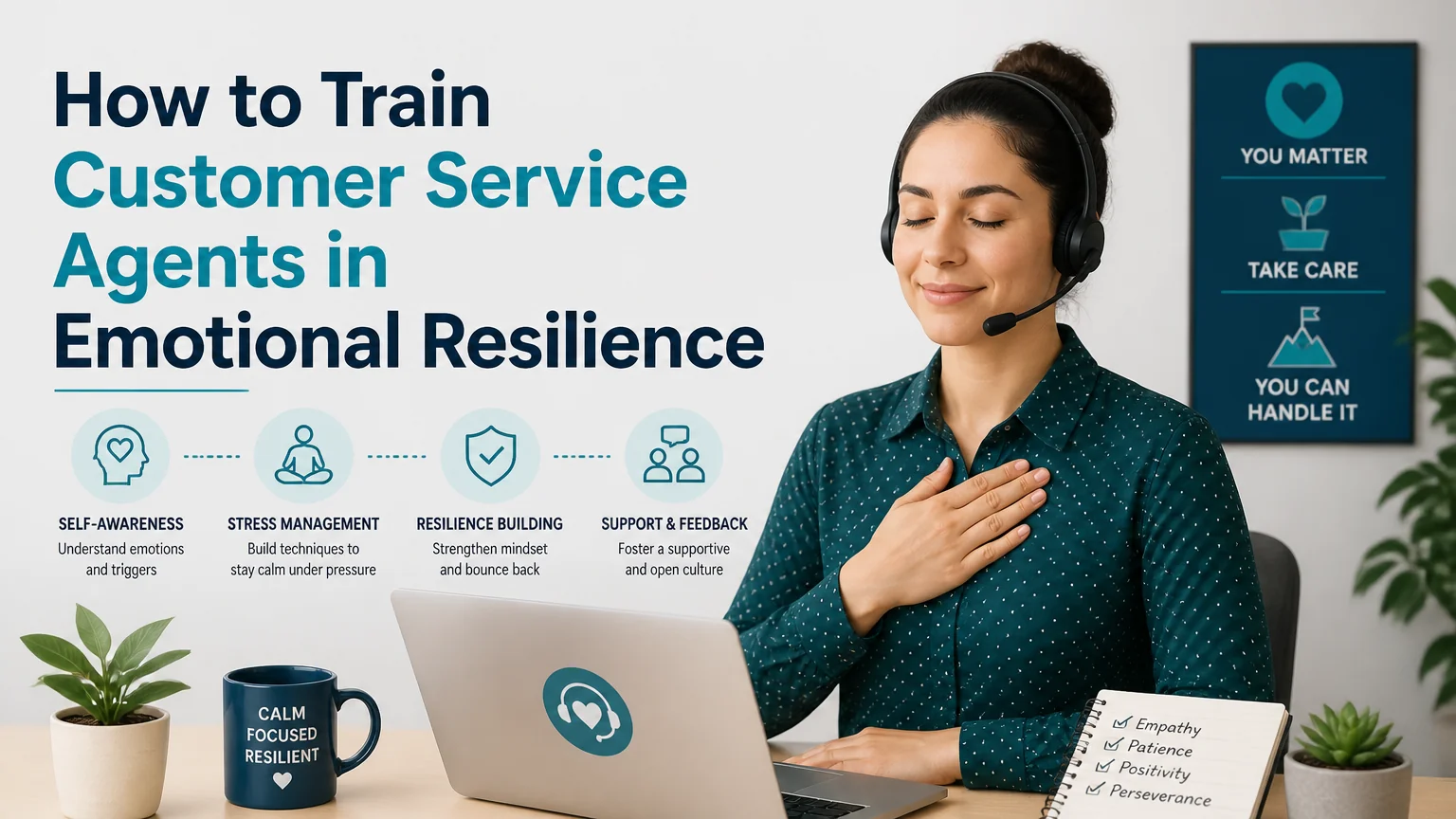
How to train customer service agents in emotional resilience
Equip your team with the skills needed to handle emotional interactions effectively by enrolling in the essential course on emotional resilience in customer support, fostering a healthier work environment.
In customer service environments, agents work with people who, every day, put a part of themselves into every interaction. They don’t just solve technical or administrative problems; they manage their own emotions and those of others. That’s why training agents who can withstand emotional pressure without losing effectiveness or well-being is a strategic investment. Below is a practical guide to training this skill, with specific tools and steps that can be applied from the first day of training through to periodic evaluations.
When agents develop the ability to process difficult emotions, service quality improves and turnover decreases. Emotional resilience is not just about stress tolerance: it involves recognizing emotions, regulating impulsive reactions, maintaining empathy, and recovering after draining interactions. Emotionally resilient teams take fewer sick days, handle escalations better, and maintain a more consistent customer experience. Furthermore, an environment that prioritizes this training fosters greater commitment and reduces burnout.
Identifying early signs allows you to intervene before the situation worsens. Watch for changes in performance, attitude, and daily behavior to take timely action.
Effective training combines theoretical instruction, guided practice, and daily habits that are reinforced over time. The following describes techniques and programs that can be incorporated into development plans.
Offering workshops that teach participants how to identify and name emotions helps prevent automatic reactions. Working on cognitive restructuring allows participants to change thoughts that amplify distress—for example, avoiding overgeneralization following a negative interaction. Sessions should include role-plays with feedback, emotional simulations, and post-call reflection exercises. It is also helpful to include basic brief psychotherapy techniques adapted to the workplace, such as breathing exercises, anchoring, and mindfulness in micro-moments.
The way a response is communicated can reduce the emotional burden on both the customer and the agent. Training in active listening, open-ended questions, and emotional validation reduces the intensity of the conflict. Teaching containment phrases and de-escalation techniques—for example, asking permission to intervene, paraphrasing, and offering clear steps—facilitates resolution and protects the agent. Practicing flexible scripts in simulated contexts helps automate functional responses without losing naturalness.
Promoting self-care routines is just as important as any technical training. Recommend structured breaks, simple stretching and breathing exercises between interactions, and habits outside of work that recharge energy: getting good sleep, regular exercise, and digital detox. Implementing scheduled micro-breaks of one to three minutes after intense interactions allows agents to process and reset their emotional response. Also teach them to recognize their limits and ask for help before the situation becomes unmanageable.
A culture that normalizes emotion and offers support networks reduces stigma and makes it easier to seek help. Creating reflection groups, peer supervision, and regular coaching sessions allows for sharing experiences and collective learning. Leaders must model healthy behaviors and offer genuine recognition for emotional management, not just for meeting metrics. Clear policies on workload, task rotation, and access to psychological resources are part of an environment that supports resilience.
Integrating small practices makes training sustainable. Some easy-to-implement suggestions:
Measuring results is key to adjusting programs. Combine quantitative and qualitative indicators: customer satisfaction metrics, resolution time, turnover and absenteeism rates, along with well-being surveys and focus groups. Implement short test-and-learn cycles: test an intervention for a month, measure impact, and adjust. Feedback from the agents themselves is the most valuable source for understanding what works and what doesn’t.
To maximize impact, leaders must be actively engaged. Some recommendations:
Developing emotional capacity in customer service teams is not an isolated individual responsibility: it is an organizational strategy that requires training, ongoing support, and a supportive culture. By combining technical skills, daily practices, and institutional support, agents will not only better withstand the pressures of the job but also provide a more humane and consistent service. Implementing these steps gradually and with ongoing evaluation allows actions to be adapted to the team’s reality and ensures sustainable results.
Do you prefer learning by watching and listening? Expand your knowledge with these free videos related to this topic.
Discover how to identify and express motivation to improve customer service, applying empathy and adaptability in real-life situations beyond rigid manuals.
Watch VideoLearn how to replace transactional service with human-centered care by uncovering latent needs, offering helpful support, and building empathy-driven culture.
Watch VideoLearn how to turn every interaction into a value touchpoint, recognize users beyond the sale, and cultivate organic advocates who amplify your brand online.
Watch VideoSearch
Popular searches