For Onlinecourses55
|
2026-11-02
Post-sale loyalty: strategies to turn customers into brand ambassadors - customer service
Safeguard the post-sale relationship by strengthening your strategy with our essential training course focused on customer retention.
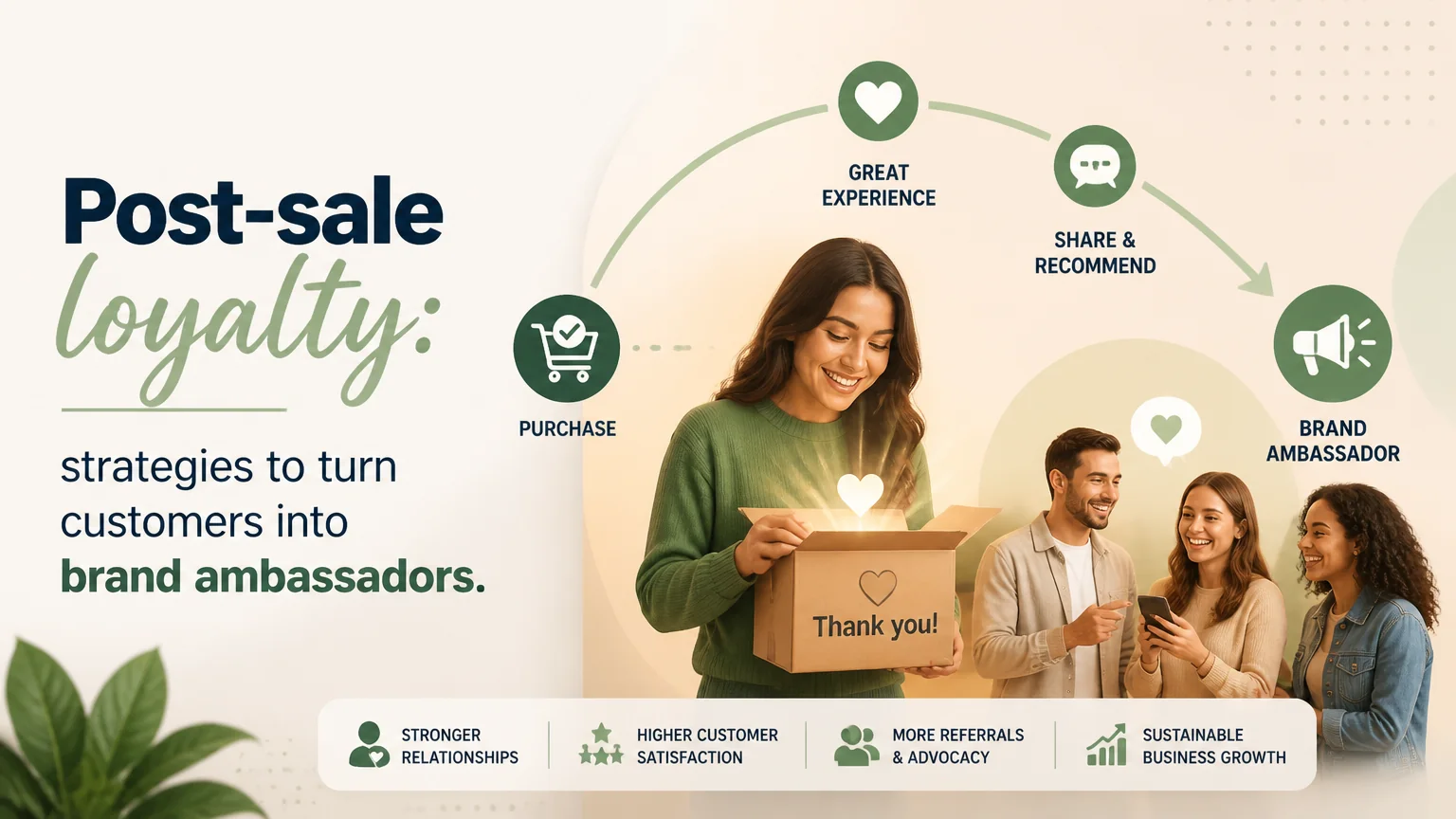
The customer experience does not end when the purchase is made; that is precisely when a critical opportunity begins to build trust and turn buyers into brand advocates. The post-sale stage reinforces perceptions of quality, service, and the true value of the product or service. If a company ignores this phase, it risks losing future sales and spontaneous recommendations. On the other hand, if it manages it well, it gains repeat customers and authentic testimonials that drive growth without the need for large investments in advertising.
Any loyalty plan must be based on clear principles: consistency, empathy, speed, and relevance. Consistency ensures that the brand promise is fulfilled after the purchase; empathy allows for real solutions tailored to customer problems; speed demonstrates that their time is valuable; and relevance ensures that every communication or incentive provides something useful. These principles help design actions that are not perceived as intrusive but as added value.
Post-purchase communication should be personalized and, whenever possible, proactive. It’s not enough to send an invoice or a generic email: it’s better to offer user guides, maintenance recommendations, and messages that address potential questions. Personalized communications, based on purchase history and behavior, increase the sense of care and reduce the likelihood of returns or dissatisfaction.
Loyalty programs should be simple, relevant, and easy to understand. Customers value tangible rewards: discounts on future purchases, redeemable points, or exclusive benefits. A good referral program turns satisfaction into promotion: offering a reward to both the referrer and the referred person encourages word-of-mouth and expands the customer base without high acquisition costs.
Efficient and personable customer service is one of the pillars of customer loyalty. Customers remember how they were treated when facing a problem more than the transaction itself. Resolving issues quickly, taking responsibility when appropriate, and following up to ensure satisfaction transforms neutral or negative experiences into positive and memorable ones.
Asking for customer feedback is a sign of respect and a source of continuous improvement. Short surveys, follow-up calls, or forms integrated into the app help identify pain points and opportunities. What matters is not just collecting feedback, but demonstrating that you act on it: communicating changes implemented thanks to users enhances the perception of active listening and commitment.
Beyond transactions, brands that build communities bring together customers who share interests and values. Creating useful content—tutorials, use cases, webinars, or exclusive events—helps users get more out of the product and connect with one another. This community interaction fosters loyalty and multiplies organic reach when members naturally recommend the brand.
Including unexpected touches in after-sales service can make all the difference. A small gift, a personalized note, or an occasional free upgrade generates excitement and gratitude. These surprises don’t have to be expensive; their value lies in the intention and the timing. When they become shareable stories, they act as fuel to turn customers into brand ambassadors.
Measuring is essential to knowing what works and what doesn’t. Metrics such as repurchase rate, Net Promoter Score (NPS), incident resolution time, and referral conversion rate provide a clear picture of post-sale health. With this data, improvements can be tested quickly: small controlled experiments (A/B testing) help scale successful practices and eliminate initiatives that don’t add value.
Effective customer loyalty requires internal coordination. Sales, marketing, and support must share information and common goals. An aligned post-sales process prevents conflicting messages, ensures consistency in customer interactions, and leverages feedback to develop more relevant products and campaigns. Regular meetings and shared CRM systems facilitate this synergy.
Turning customers into brand ambassadors is a blend of empathy, well-designed processes, and consistency. It’s not just about offering rewards, but about building authentic relationships that customers want to share. With gradual steps, measurement, and consistent, human-centered service, any business can transform post-purchase experiences into a source of sustainable growth and genuine recommendations.
Search
Popular searches