For Onlinecourses55
|
2026-09-06
For Onlinecourses55
|
2026-09-06

10 phrases to start talking about sex with children and teens - education sexual parents
Starting this important dialogue begins with the right mindset, and consider learning more about how to effectively engage with your kids on these topics in our insightful course on how to communicate sexual education with children, so you can approach this subject with confidence.
Talking about sexuality with children and teens can cause nervousness, uncertainty, and even fear. However, it’s a necessary conversation for their protection, self-esteem, and understanding of their own bodies. Before you begin, remember that a warm tone, active listening, and honesty are more important than finding the perfect phrase. Below, you’ll find practical guidance and examples of specific phrases that make it easier to open a dialogue, depending on age and situation.
Before you speak, think about your goal: to inform, protect, address a specific question, or set boundaries? Research the topic you think might come up and prepare simple, respectful language. Avoid speaking from a place of shame or punishment; instead, express that you’re available to listen and support them. Consider the context: a walk, a car ride, or a daily routine can be less intimidating than a formal talk.
With young children, use clear and concrete words, without confusing euphemisms. With preteens, include explanations about physical and emotional changes. With teenagers, respect their need for privacy and autonomy, but maintain boundaries and remain available. Always validate their feelings: acknowledging emotions builds trust and encourages them to open up more.
Here are ten practical phrases, each designed to open the conversation in a natural, respectful, and safe way. You can adapt them to your own voice and to the age or topic you want to address.
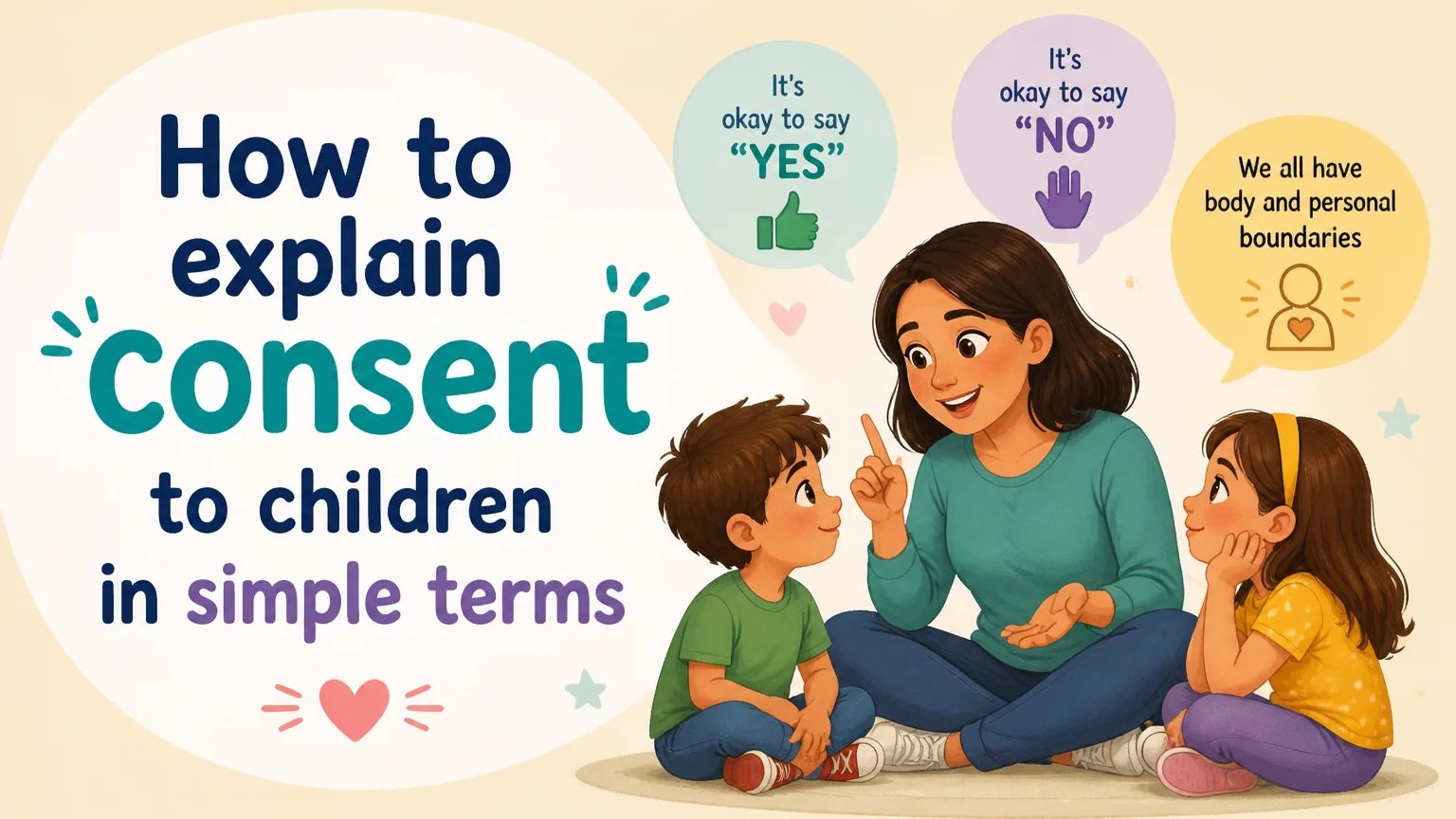
"I’ve noticed you’ve had some questions about your body; if you’d like, we can talk about it whenever you’re ready."
Why it works: It shows you’ve noticed without putting pressure on them and lets them know you’re available. Ideal for preteens who are starting to get curious.
"Is there anything that’s been worrying you or making you feel uncomfortable lately?"
Why it works: It creates space to express concerns without singling out a specific issue; useful when you suspect something is going on.
"If anyone makes you touch your body in a way you don’t like, you can tell me, and I’ll believe you."
Why it works: It reinforces boundaries and builds the confidence to report risky situations; important for all ages.
"Would you like me to explain how your body and hormones change at this stage?"
Why it works: It offers concrete, scientific information in a supportive tone; appropriate for preteens and teens.
"If you hear something that confuses you or seems strange, you can ask, and I’ll explain it to you honestly."
Why it works: It encourages curiosity and prevents them from seeking information from unreliable or dangerous sources.
"I’d like to know what you think about relationships and respect between people."
Why it works: It invites a deeper conversation about values, consent, and emotional connections; good for teenagers.
"It’s okay to feel curious or embarrassed; sometimes even adults have a hard time talking about these things, but I’m here for you."
Why it works: It normalizes emotions and reduces feelings of isolation by showing that it’s normal to have doubts.
"If you ever feel pressured to do something you don’t want to do, tell me, and we’ll find a solution together."
Why it works: It offers support when facing peer pressure or intimate situations; it reinforces the idea of being there for you.
"Is there anything you’d like me to know about what’s going on with you or what makes you happy?"
Why it works: It opens the door to talking not only about problems but also about positive experiences and feelings.
"If you’d prefer to have another trusted adult with you when we talk, we understand, and we’ll make that happen."
Why it works: It respects the need for privacy and safety; sometimes it makes communication easier if the child or teen prefers another person.
Listen without interrupting, validate their feelings, and avoid judgment. Respond with clear words tailored to their level of understanding. If you don’t know the answer, it’s okay to say, “I don’t know, but let’s figure it out together.” This teaches that seeking information responsibly is a positive thing. Stay calm and avoid overreacting in ways that might cause guilt or shame.
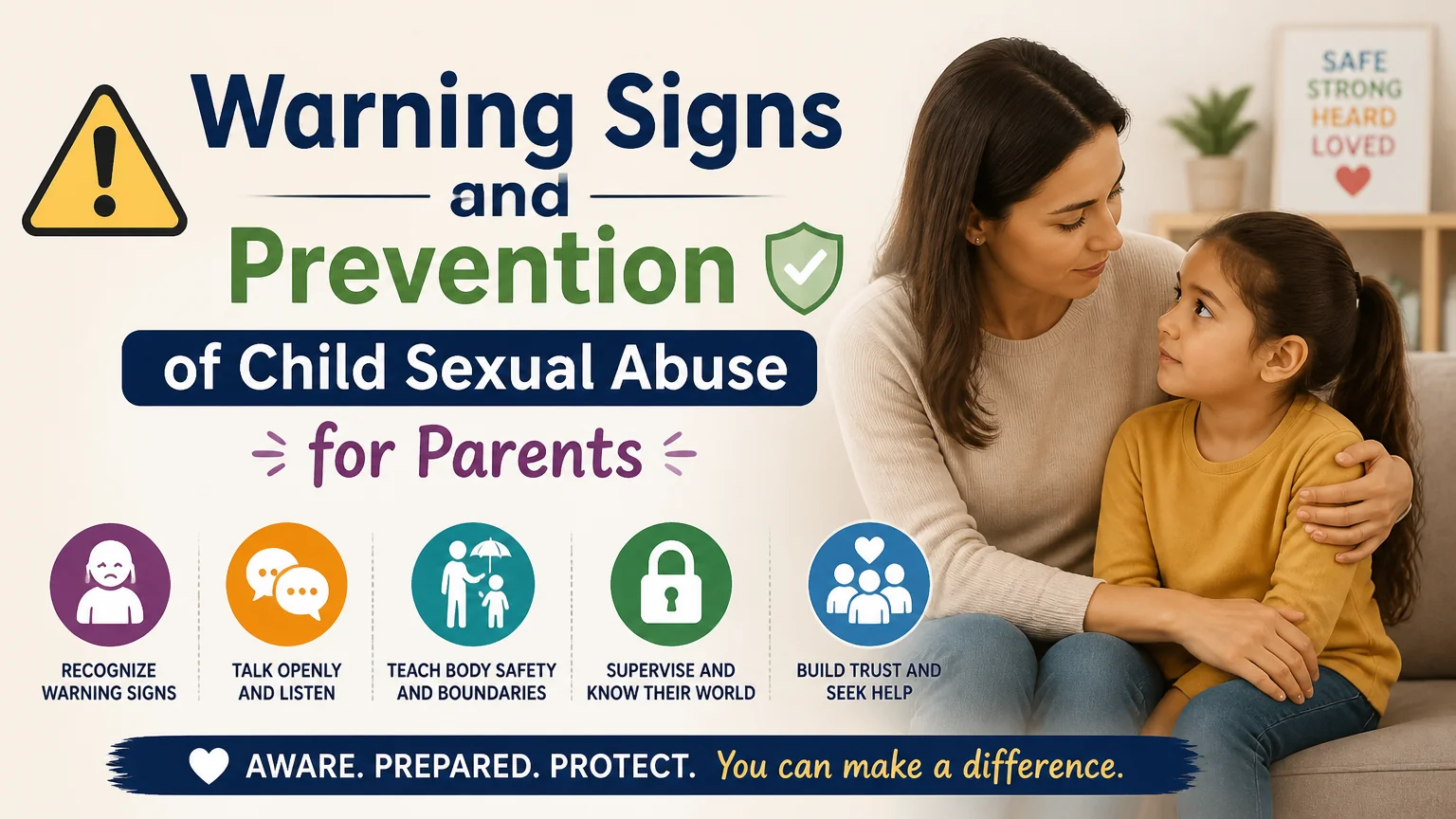
If the child shows signs of distress, behavioral changes, withdrawal, irritability, or reports of inappropriate contact, it’s time to take the matter more seriously. Document what is shared, seek professional support, and, if necessary, put protective measures in place. The priority is always the child’s emotional and physical safety.
Have regular, natural conversations—not just a one-time talk.
Promote education on values: respect, consent, and boundaries.
Provide reliable sources for when they want to do their own research.
Respect their privacy, but clarify the boundaries necessary for their protection.
Be mindful of your body language and tone: they convey either confidence or alarm.
Opening a dialogue about sexuality is an act of care that benefits both safety and emotional well-being. Don’t wait for the perfect moment; often, a simple phrase spoken with love is the start of transformative conversations. Stay available, listen carefully, and offer support without judgment. If you need help handling complex situations, seek out health, psychology, or education professionals who can advise you.
Search
Popular searches