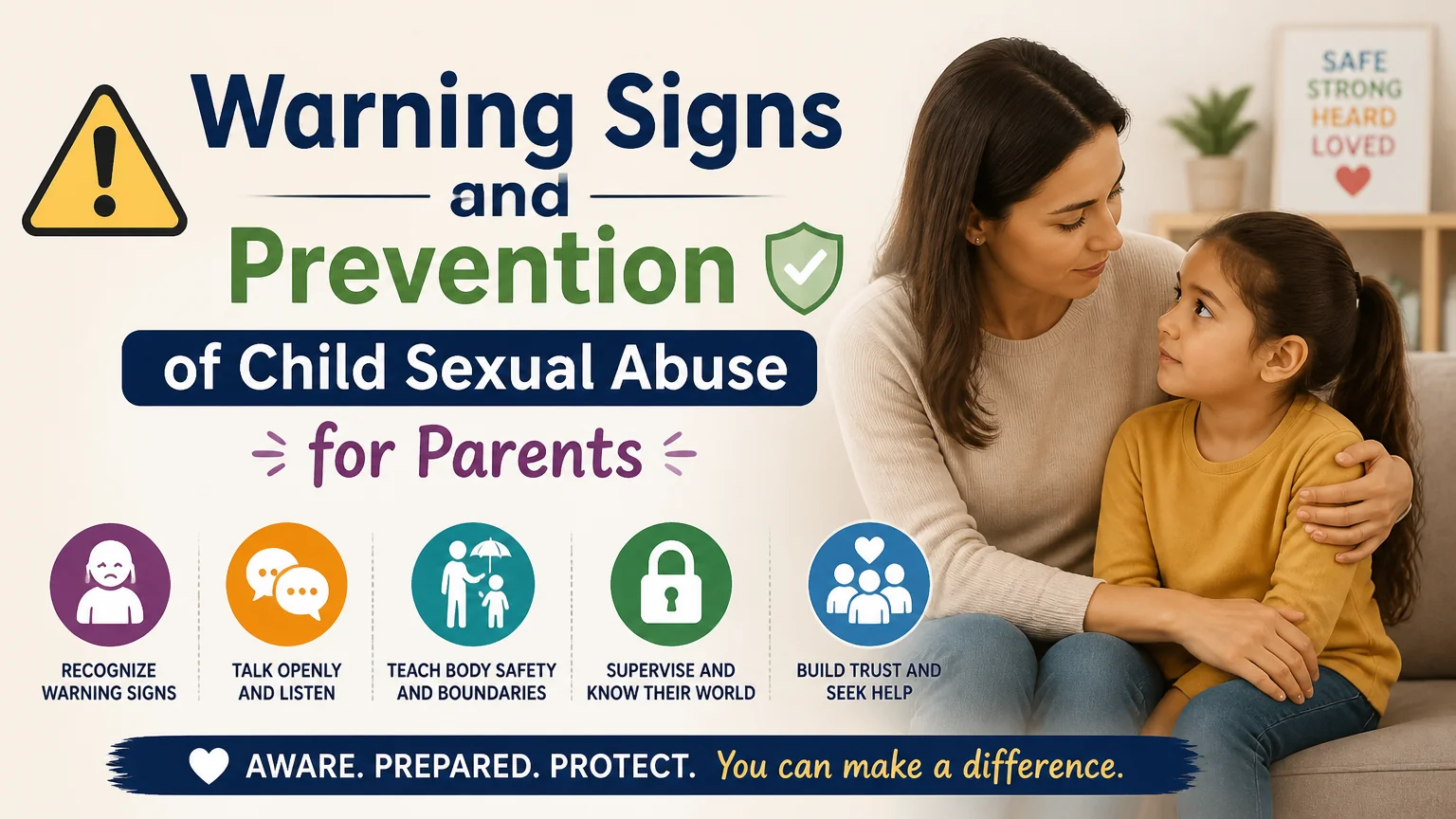
Warning signs and prevention of child sexual abuse for parents - education sexual parents
Being observant is crucial for your child's safety; enhance your parenting skills with our insightful course on identifying signs of trouble and ensuring protection for their well-being.
Why It’s Essential to Pay Attention
As parents, it’s sometimes hard to believe that anyone could harm a child, but being informed and vigilant reduces the risk and allows you to act in time. Recognizing early warning signs isn’t about assigning blame—it’s about protecting. Prevention and early detection can make all the difference for a child’s physical and emotional well-being.
Physical Signs You Should Not Ignore
- Unexplained pain or discomfort in the genitals, mouth, or anus.
- Injuries, bruises, or bleeding in private areas with no clear explanation.
- Recurrent or persistent infections in the genital area, especially in young girls.
- Difficulty walking or sitting, or sudden changes in the way a child moves.
Behavioral and emotional signs
Changes in behavior are often the most visible and common clues. Pay attention if you notice new or repetitive patterns that don’t fit the child’s age or usual temperament.
- Regressions (bedwetting, thumb-sucking, speaking like a toddler).
- Social isolation, withdrawal, or loss of interest in activities they used to enjoy.
- Nightmares, unexplained fear of a specific person, place, or situation.
- Sudden onset of sexual behaviors inappropriate for their age or knowledge of sexual acts that do not correspond to their developmental stage.
- Sudden changes in school performance or lack of concentration.
- Self-harming behaviors or verbal expressions of feeling dirty, guilty, or wanting to hurt oneself.
Signs in adolescents
- Increased risky behaviors, such as substance use or impulsive sexual activity.
- Secret relationships with adults or with people significantly older than themselves.
- Extreme emotional withdrawal, changes in friendships, or obsessive monitoring behaviors.
How to Talk to Children About the Body and Boundaries
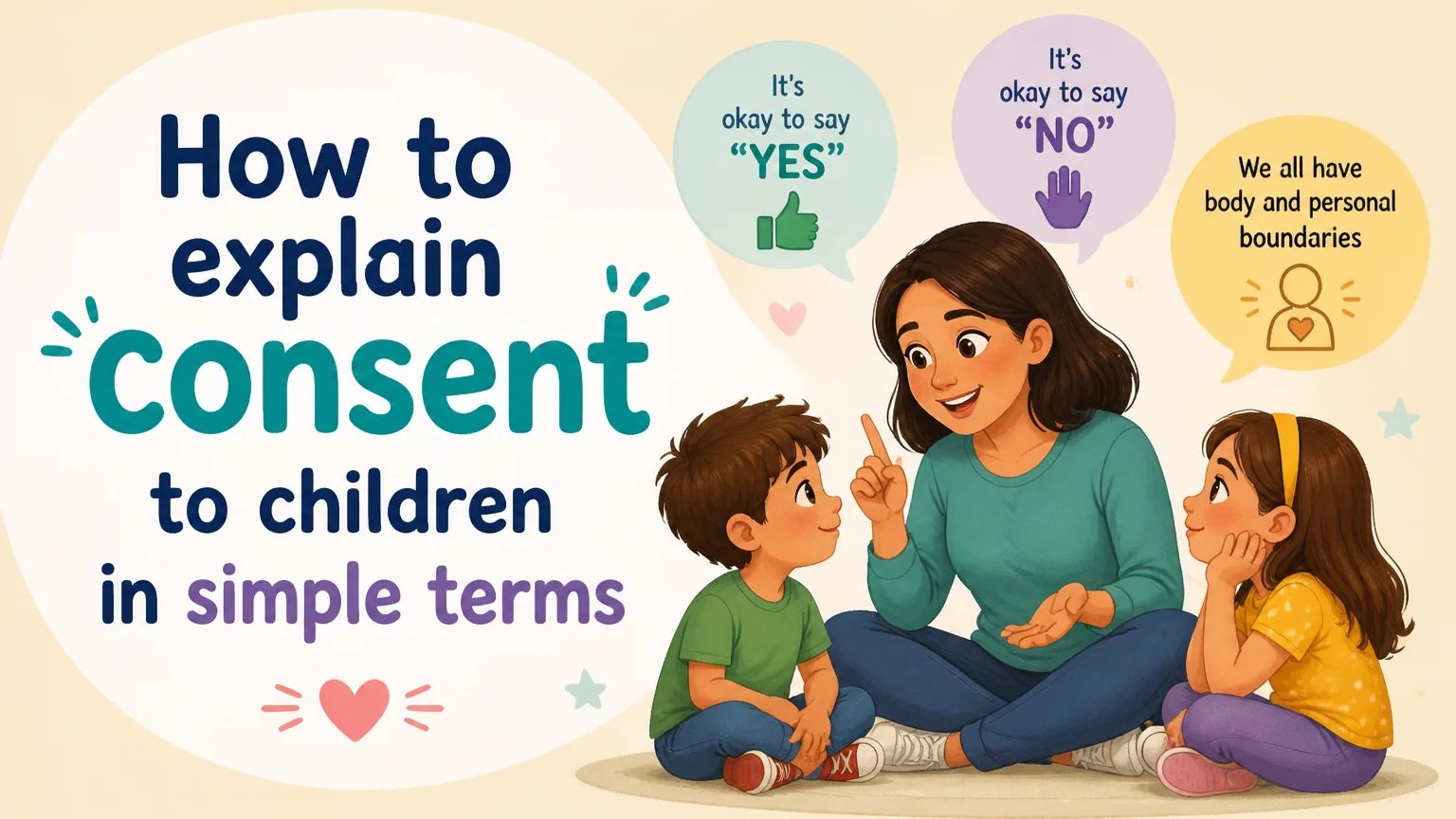
Clear, age-appropriate communication is the most powerful tool for prevention. The goal is not to scare them, but to empower them and make it normal to feel comfortable discussing any concerns.
Basic Principles
- Use age-appropriate language and correct terms for body parts.
- Teach the difference between good secrets (surprises) and bad secrets (those that cause fear or shame).
- Let them know they have the right to say “no” to touching that makes them uncomfortable, even if it comes from an adult they know.
- Reinforce that they will never be punished for sharing something that makes them feel bad or confused.
Useful Phrases by Age
- For young children: “My body is mine. No one can touch you if you don’t want them to. If someone makes you feel weird, tell me about it.”
- For preteens: “If someone asks you to keep a secret about your body or asks for photos, tell me. You don’t have to handle this alone.”
- For teenagers: “Healthy relationships respect boundaries. If someone pressures you or makes you feel uncomfortable, count on me, and we’ll seek support together.”
Practical Prevention Strategies at Home
Prevention is built on consistent, everyday measures. It’s not about being overprotective, but about creating a safe and trusting environment.
- Set clear rules about privacy and access to your child’s room by adults, caregivers, or family members.
- Appropriate supervision: You don’t need to watch them every second, but you do need to know who they’re with, where they are, and what they’re doing.
- Get to know the people who care for your children: check references, observe their interactions, and trust your intuition.
- Teach boundaries regarding photos and digital content: never send intimate images, and put a stop to any behavior that pressures them to do so.
- Foster emotional autonomy: Help your child name their feelings and know how to ask for help.
Prevention in School and Social Settings
Safety also involves collaboration with schools, coaches, and the community. Don’t assume that institutions always act appropriately; get involved and demand clear protocols.
- Ask about child protection policies: staff screening protocols, training, and reporting channels.
- Participate in activities and get to know the adults involved in field trips, extracurricular activities, and groups.
- Talk to other parents to build support networks and share information about safe practices.
Digital Safety: A Key Issue Today
Internet access increases risks. Teaching responsible use and monitoring without being intrusive is necessary to reduce threats.
- Place devices in common areas whenever possible and set usage schedules.
- Use appropriate parental controls, but combine them with education about privacy and online behavior.
- Talk about sharing images, grooming, and the importance of not sharing passwords or accepting requests from strangers.
What to Do If You Suspect Something or If Your Child Tells You
An adult’s reaction in those first few minutes is crucial. Stay calm, listen, and act decisively.
Immediate steps
- Listen without judging: let the child speak on their own terms and avoid questions that seek unnecessary details that could revictimize them.
- Reassure them that you believe what they’re saying and that it’s not their fault.
- Protect the child by removing them from the potentially dangerous situation and avoid contact with the person in question.
- Seek medical attention if there are physical signs or a risk of immediate harm.
- Document what the child told you with dates and objective details, without altering or interpreting the information.
Reporting the Incident and Seeking Professional Support
- Contact the appropriate authorities in your country: child protection services, the police, or a specialized prosecutor’s office.
- Request specialized psychological support for the child and the family; early intervention reduces long-term effects.
- Consult a pediatrician for a physical evaluation and treatment of any possible injuries or infections.
How to Provide Emotional Support After the Event
Recovery is a long process. Children need reassurance, routines, and consistent adults who do not downplay what happened.
- Maintain open communication and tailor the information to their age.
- Avoid forcing them to talk constantly about the incident; respect their pace and cues.
- Provide stability: regular schedules, physical activity, and adequate sleep and nutrition.
- Participate in family therapy if recommended, and try not to isolate yourself as a parent; seeking support is also necessary.
Resources and Signs That Help Is Needed
If you have doubts about the severity of a situation, it’s best to seek advice. Professionals and helplines can guide you on the steps to take.
- Child protection services and local emergency hotlines.
- Pediatricians, psychologists, and centers specializing in victim care.
- Community organizations that provide legal guidance and psychological support.
Conclusion: Prevention Is a Shared Responsibility
Creating safe environments requires information, communication, and consistent action. As a parent, your intuition and your willingness to talk and take action are the first line of defense. Teaching about boundaries, getting to know the people around your children, and reacting calmly and decisively to any suspicions helps minimize risks and provide the support a child needs to heal and continue growing.
 For Onlinecourses55
|
2026-10-09
For Onlinecourses55
|
2026-10-09