For Onlinecourses55
|
2026-10-24

Common myths about sex education and what parents need to know - education sexual parents
Addressing misconceptions can enhance your conversations; that’s why our practical course on navigating sexual education within families is an invaluable resource for parents.
Talking to children about sexuality often raises doubts and fears in many parents. Amid concerns and well-intentioned advice, myths circulate that complicate communication and delay necessary conversations. Understanding these misconceptions and the practical alternatives available helps raise young people who are better informed, more responsible, and more confident. Below, we debunk the most common myths and offer concrete guidance so that parents know how to proceed based on their children’s age and circumstances.
This is one of the most widespread and harmful myths. Evidence shows that sex education based on comprehensive information and values reduces risky behaviors, delays the onset of sexual activity, and improves the use of protection. Talking honestly does not encourage promiscuity; rather, it equips young people with the tools to make informed and safe decisions.
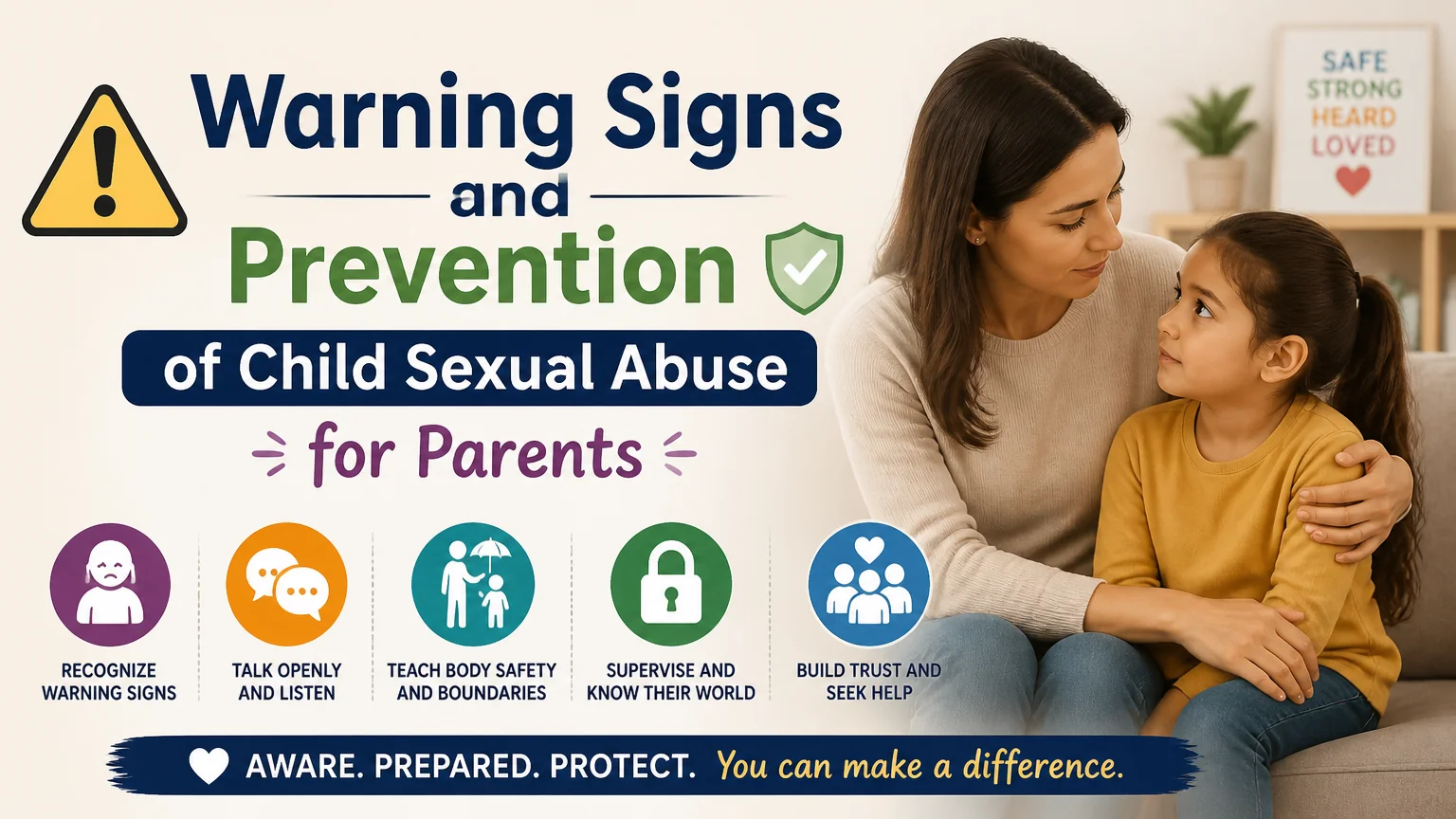
Sex education isn’t just about explicit sex: it includes the correct names for body parts, personal boundaries, and concepts of privacy and respect. When age-appropriate, this information can begin in early childhood and expand as the child grows. Avoiding the topic doesn’t protect children; it simply leaves them unprepared when they face confusing or dangerous situations.
Schools play an important role, but the home remains the primary source of emotional and moral guidance. Parents are most familiar with their children’s personal circumstances and family values; that’s why their involvement is essential. When formal education and family conversations complement each other, the messages come across more consistently and effectively.
Relying solely on direct questions often leaves many topics unaddressed. Young people don’t always ask questions because they’re embarrassed, afraid, or assume they aren’t supposed to know. Taking the initiative with brief, frequent conversations creates a communication routine where questions arise naturally, without overreacting or turning every conversation into a “formal meeting.”
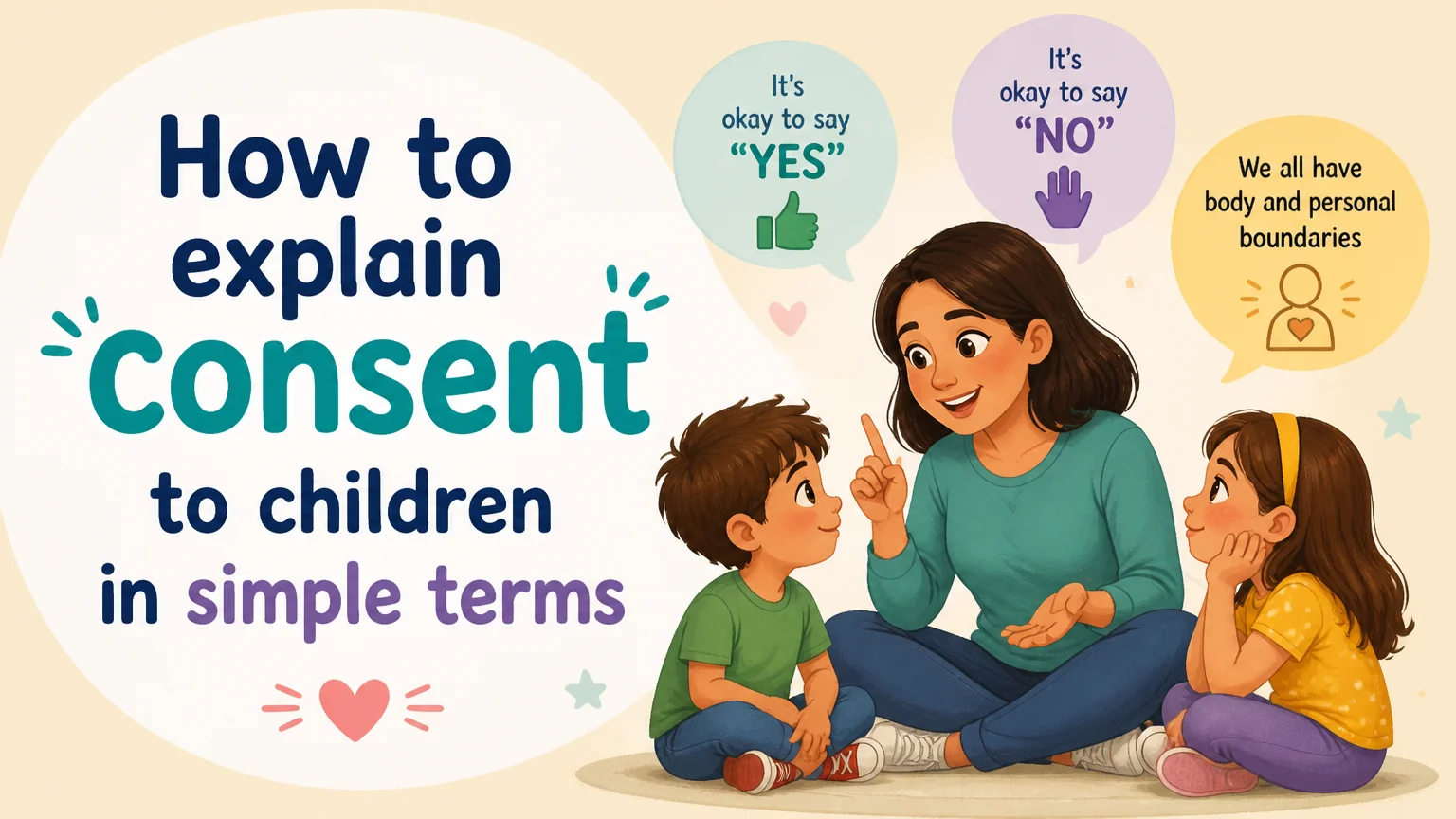
Effective sex education integrates emotional, ethical, and social aspects: consent, healthy relationships, self-esteem, identity, and respect for diversity. Reducing it to technical facts leaves significant gaps that affect decision-making and mental health. Talking about emotions, boundaries, and communication is just as important as teaching how a condom works.
The internet is an immediate source of information, but also of misinformation and pornography that distorts expectations and behaviors. Teaching children to seek out reliable sources, value privacy, and critically interpret what they see online is essential. Additionally, the parenting guide helps put content into context and prevent risks such as sexting or grooming.
Mistakes are part of learning. If a parent feels awkward explaining something, it’s better to acknowledge it and look up the correct information with their child. Showing a willingness to learn together builds trust and teaches that making a mistake isn’t something to be ashamed of, but rather an opportunity for dialogue and improvement.
Beyond debunking myths, parents need a simple and realistic plan. Establishing regular conversations, tailoring content to the child’s age, validating emotions, and setting boundaries are central pillars. Additionally, involving other trusted adults when necessary and maintaining an open, non-punitive stance makes it easier for young people to ask for help in risky situations.
Debunking myths about sex education allows us to replace them with concrete practices that strengthen the parent-child relationship and protect young people’s physical and emotional health. There is no single “perfect” way to approach the topic; what matters most is consistency, honesty, and a willingness to talk. With clear, age-appropriate messages that are consistent over time, parents can give their children the best tools to make informed and respectful decisions.
Search
Popular searches