For Onlinecourses55
|
2026-09-06
For Onlinecourses55
|
2026-09-06

Activities and games for teaching sex education to young children - education sexual parents
Equipping your children with essential knowledge is vital, which is why exploring our comprehensive course on age-appropriate communication about bodies and boundaries is highly beneficial for parents.
Talking to young children about their bodies, boundaries, and rules of respect doesn’t mean exposing them to inappropriate information; it means giving them tools to recognize safe and dangerous situations, express their feelings, and ask for help when they need it. Teaching them from an early age fosters self-esteem, self-care, and the ability to say “no” with confidence. Furthermore, when these conversations take place in a playful and everyday manner, children internalize these concepts naturally and without fear.
Use clear, age-appropriate language: correct names for body parts (without embarrassing vocabulary).
Respect the child’s pace: allow questions and don’t force explanations if they don’t show interest.
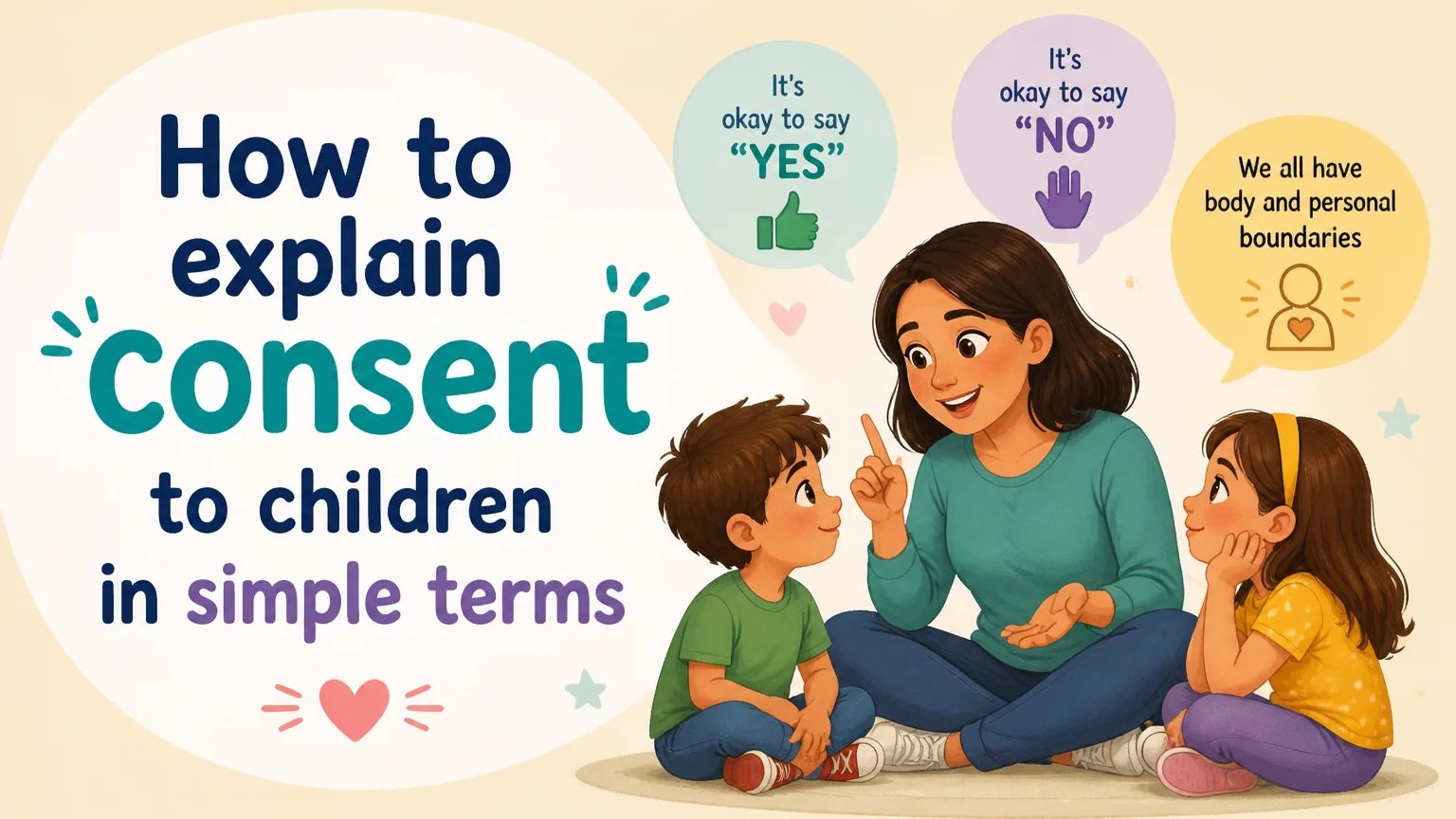
Emphasize consent: no one should touch the child without their permission, and they can refuse hugs or kisses if they don’t want them.
Privacy and personal boundaries: Teach what it means to have private areas and when it is appropriate for an adult to help (for example, with hygiene).
Positive and affirming language: Reinforce safe behaviors and the confidence to ask for help.
Doll play: Use dolls to teach the names of body parts and basic self-care. Children can point and name body parts while playing dress-up or caring for the doll.
Songs and rhymes: Adapt songs that mention body parts and emotions to make learning repetitive and fun.
The feelings traffic light: Create a traffic light with colors so the child can express how they feel in different situations (red = uncomfortable, yellow = unsure, green = comfortable).
Role-playing with puppets: Act out scenes where one character must ask permission to touch or play with another. Practice responses, such as “no, thank you” or “I feel uncomfortable.”
The private body map: Draw an outline and mark the areas that are private. Talk about why certain areas need privacy and who can help with hygiene or health issues.
Interactive stories: Read stories that present dilemmas about whether or not to touch and ask the child what they would do in each situation.
Simple discussions: Present hypothetical situations and ask the children to explain whether something is right or wrong, focusing on respect and safety.
Workshop on When to Ask for Help: Identify trusted adults and practice asking for help using specific phrases. Simulate phone calls or brief conversations to build confidence.
“Everything Is a Question” Activity: Encourage children to write anonymous questions in a mailbox and then answer them as a group using clear and respectful language.
Place several “doors” (sheets of paper) on the floor representing different decisions: sharing a hug, accepting a gift, entering a room. Children walk around and stop at a door; then they must decide whether to say “yes” or “no” and explain why.
Create a box with cards containing useful phrases (“I need some time,” “I don’t want to,” “Can you wait?”). The children pick a card and practice it in pairs to learn how to assertively set boundaries.
Set up a circuit with signs representing emotions and boundaries. As they pass each station, the children describe a related situation and what they would do to take care of themselves.
When a child asks an uncomfortable question, it’s best to stay calm, answer honestly, and use simple language. If you don’t know the answer, it’s okay to say, “That’s a good question; I’ll look into it and explain it to you later.” Avoid punishing curiosity; instead, acknowledge the courage it takes to ask. Use everyday examples and avoid unnecessary details that might confuse or alarm them. Reassure them that they can always come to you or another trusted adult.
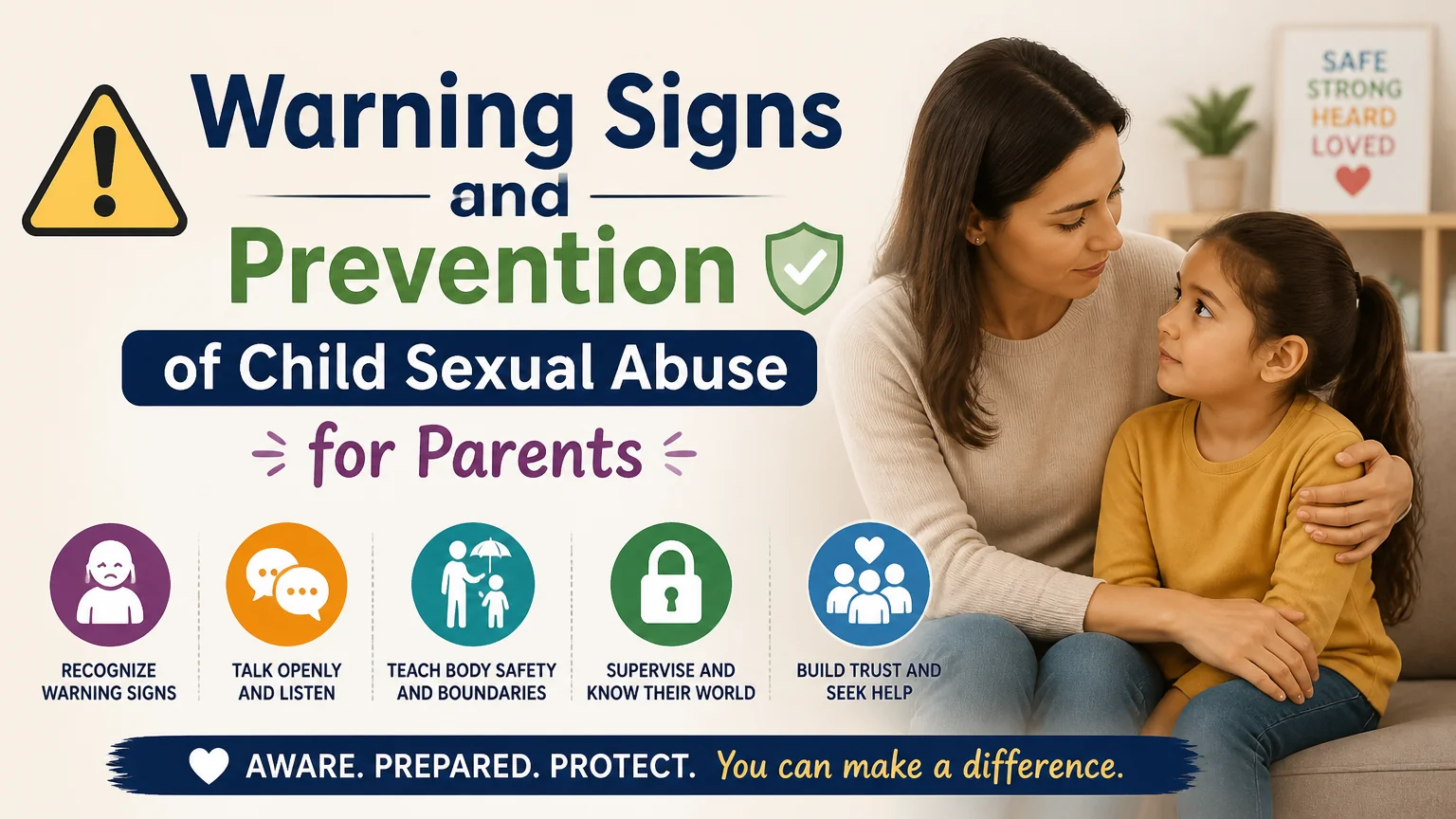
Behavioral changes: withdrawal, persistent fear, nightmares, or developmental regression.
Indirect comments: repetitive play with sexual content or statements suggesting that something uncomfortable happened.
Physical marks or reluctance to be around certain people: observe without invading their privacy and speak gently.
Make these conversations routine: talk about the body and respect as part of daily education, not just in extraordinary situations.
Coordination between home and school: share basic guidelines so that the message is consistent and predictable for the child.
Training and resources: Take advantage of professional guides and workshops that offer age-appropriate materials.
Modeling behavior: Children learn by imitation; showing respect for others’ boundaries and their own is the best lesson.
Dolls and puppets for role-playing.
Cardstock and markers for body maps and signs.
Cards with phrases and situations to practice responses.
Age-appropriate short stories and audiovisual materials that address topics of respect and boundaries.
Observing changes in confidence when communicating feelings, the ability to say “no,” and the capacity to identify trusted adults are clear indicators of progress. It’s also helpful to ask the children themselves for feedback using open-ended questions: “Did you like the activity?” or “What did you learn today?” Tracking progress and adjusting activities based on the group’s response will ensure that learning is effective and respectful.
Incorporating games and playful activities to teach about the body, consent, and boundaries helps prepare children for life by equipping them with tools for self-protection and self-esteem. With patience, age-appropriate language, and positive repetition, they can internalize norms of respect and learn to ask for help when they need it. The key is to keep the lines of communication open, provide clear examples, and practice safely in everyday situations.
Search
Popular searches