Exploring the Dynamics Between Nutrition and Mood States
Use nutrition to support brain health and mood: identify deficiencies, build habits, and optimize nutrients for energy, resilience, cognition, and social ties.
Watch Video For Onlinecourses55
|
2026-11-09

Emotional Eating and Sport: Nourish Body and Mind to Perform
Recognizing the difference between physical and emotional hunger is crucial for making informed choices. To deepen your understanding and enhance your eating habits, look into the course that empowers you to understand and address emotional triggers in eating for a more fulfilling lifestyle.
Emotional eating occurs when food is used to manage emotional states rather than to satisfy physiological hunger. It is a natural response to stress, boredom, sadness or celebration, but when repeated on a regular basis it can affect both body composition and physical and mental performance. Understanding the difference between physical hunger and emotional hunger is the first step to start taking care of your body without neglecting your emotions.
When eating on impulse, choices are often high in refined sugars and nutrient-poor fats, leading to energy spikes and dips, inflammation and gastrointestinal distress. These effects reduce resilience, focus and power in training. In addition, chronic stress and poor relationship with food can disrupt sleep and motivation, key factors for progressing in any sporting discipline.
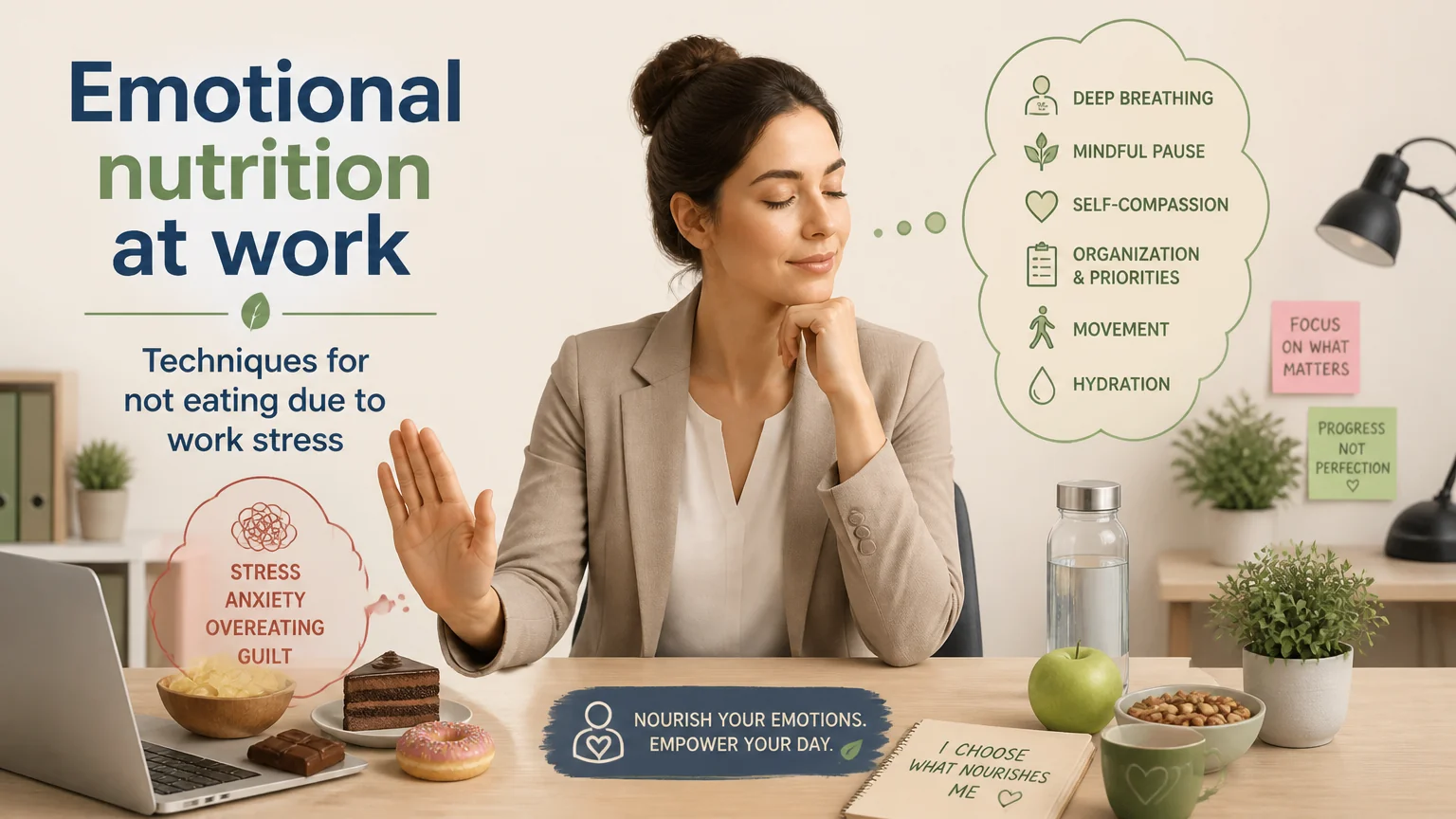
Recording in a notebook the emotions and context each time the urge to eat appears helps to detect patterns. Is it anxiety about a delivery, loneliness, or simply habit after watching television? Identifying the trigger allows you to act before the emotion drives the food choice.
Before eating, ask yourself simple questions: Am I really physically hungry or am I seeking comfort? Can I wait 20 minutes and see if the signal persists? Physiological hunger increases gradually and accepts various types of food; emotional hunger is usually urgent and specific. Practicing this pause reduces impulsive decisions and improves the quality of what is consumed.
Having healthy options on hand avoids resorting to ultra-processed foods when the urge arises. A balanced meal structure-protein, complex carbohydrates and healthy fats-along with prepared snacks reduces energy variability and stabilizes mood. Planning also helps meet performance goals without sacrificing pleasure.
Opt for combinations that provide sustained energy: slow-release carbohydrates (whole grains, whole fruits) and a light protein source. Avoid high-fat or high-fiber foods just before training to minimize gastrointestinal distress. If anxiety leads you to overeat before a competition, choose portion-controlled, familiar foods that give you confidence.
In long or intense sessions, consider small, easily digestible carbohydrate intakes (isotonic drinks, gels, fruits) to maintain performance. Making emotional decisions by measuring hunger is not practical in competition, so planning and practicing your hydration and refueling strategy is key.
The post-workout window is important for recovery: a combination of carbohydrate and protein helps replenish glycogen and repair muscle tissue. Avoid using food as an excessive reward after a demanding session. Celebrating with a tasty meal is fine, but it should fit into a pattern that supports recovery and long-term mental health.
Working with a nutrition professional and therapist may be advisable if emotional eating is recurrent or interferes with performance. The combination of practical tools, psychoeducation and accompaniment allows for long-term pattern transformation without falling into extreme diets that increase anxiety. In addition, cultivating activities that generate well-being outside of food-social exercise, hobbies, rest-creates fundamental emotional support networks.
Taking care of the relationship between emotions, food and exercise is as important as planning workouts and macros. Nourishing the body and mind involves conscious choices, patience and sustainable practices. By learning to distinguish internal cues and creating routines that support both mental health and physical performance, it is possible to improve results without sacrificing eating pleasure or emotional stability.
Do you prefer learning by watching and listening? Expand your knowledge with these free videos related to this topic.
Use nutrition to support brain health and mood: identify deficiencies, build habits, and optimize nutrients for energy, resilience, cognition, and social ties.
Watch VideoIdentify emotional eating, understand its reward circuit, and strengthen the rational brain to choose foods wisely and avoid dependence and metabolic problems.
Watch VideoDiscover how the brain turns pleasure and pain into eating habits—and how to break the cycle to help prevent chronic disease and build healthier routines.
Watch VideoSearch
Popular searches