For Onlinecourses55
|
2026-10-19
How family therapy can help resolve conflicts - family conflict resolution
Navigating the complexities of family disagreements benefits from professional insights; a supportive course designed to tackle family conflict resolutions can help you gain valuable perspectives and practical tools.
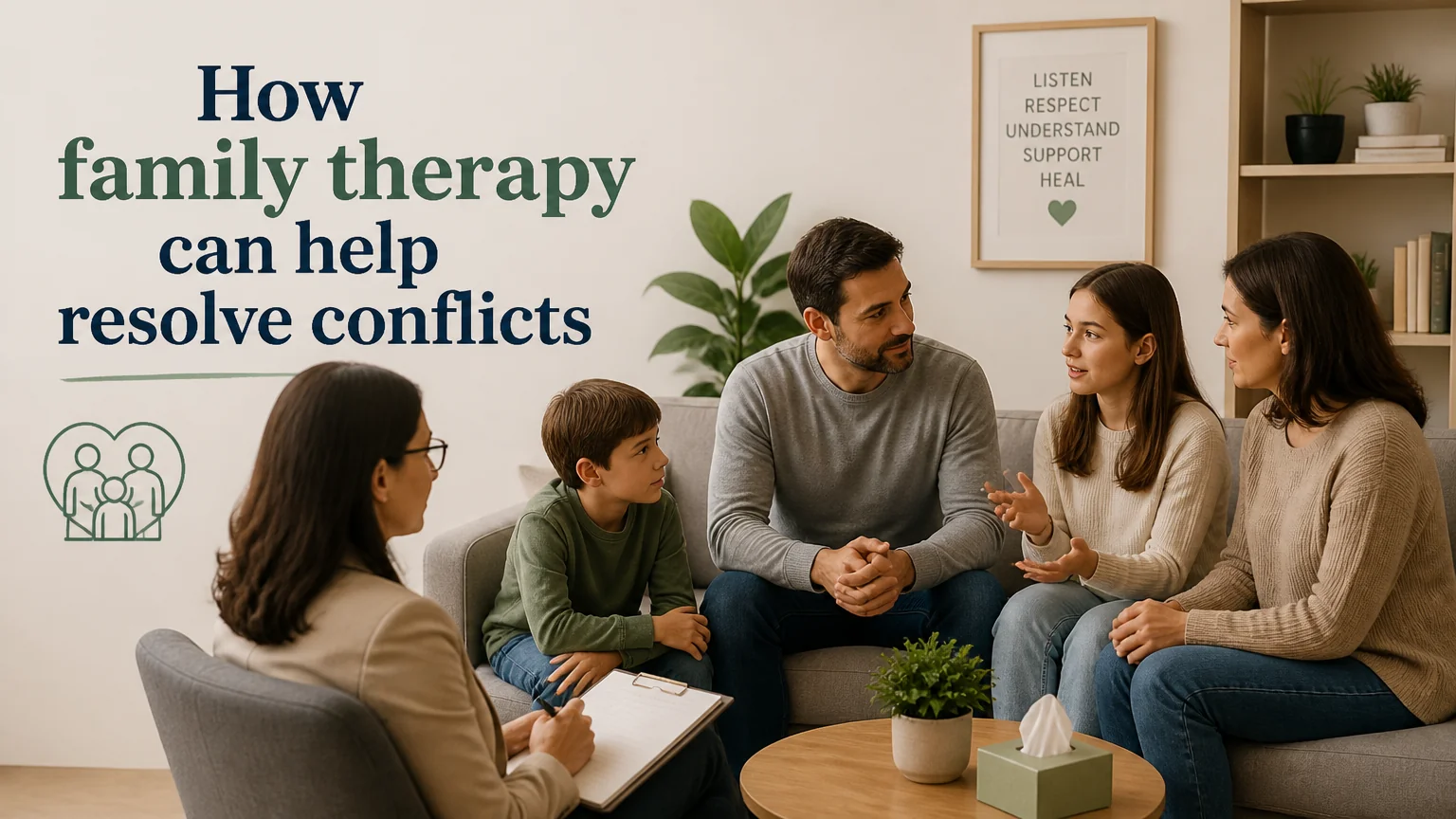
Families go through stages, changes, and tensions that are not always resolved with goodwill. Sometimes arguments repeat, sides form, and wounds from the past interfere with the present. Family therapy offers a safe space to observe those dynamics, understand them from another perspective, and try out new ways of relating that reduce conflict and increase cooperation.
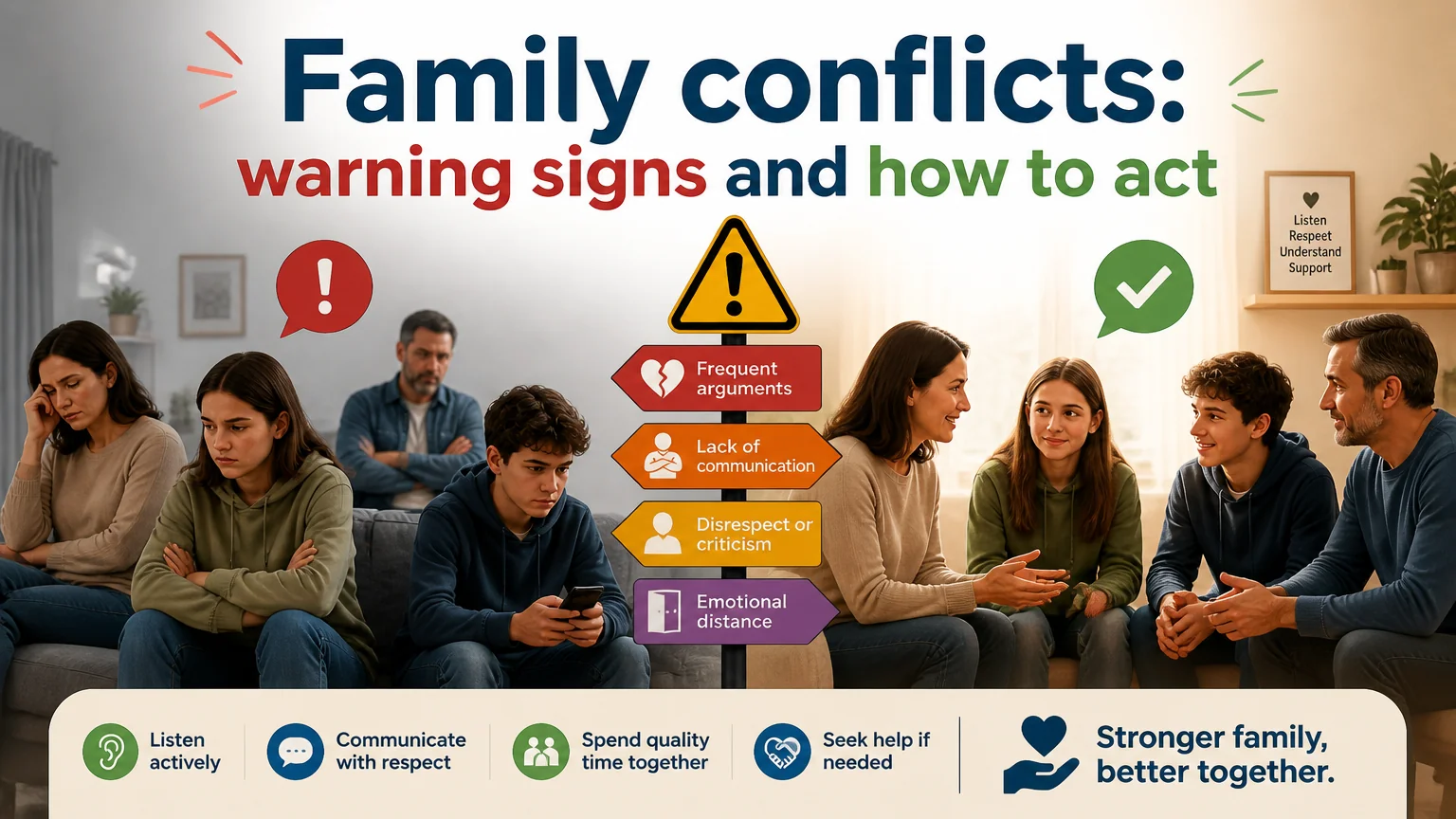
It is an approach that views the family as an interconnected system. Rather than looking for “culprits,” it focuses on the interaction patterns that sustain the problems. It can be helpful when there are constant arguments, emotional distancing, difficulties with rules and boundaries, life changes (bereavements, moves, separations), symptoms in any of the members (anxiety, substance use, low academic performance), or important decisions that create friction. It is also a preventive route: you don’t have to hit rock bottom to ask for help.
It explores how each behavior fits within the family as a whole. An individual symptom may be serving a function, such as diverting tensions or keeping the group together. Understanding that role opens doors to change without finger-pointing.
It looks at the organization: hierarchies, boundaries between subsystems (couple, siblings, grandparents), and alliances. Strengthening parental leadership and clarifying boundaries often reduces power struggles and triangulation.
It focuses on concrete goals and practical tasks to interrupt problematic cycles. It proposes between-session experiments to try new responses and measure their impact.
It helps to externalize the problem (the conflict is not the person) and to build richer stories that do not define anyone by their worst moment. Changing the language changes the possibilities.
The professional listens to each account, maps relationships, and prioritizes shared, realistic goals. It is agreed who will attend each session and how often.
Confidentiality, taking turns respectfully, and tolerance for disagreement. Limits on put-downs and yelling are made explicit so the meeting is safe.
Guided dialogues, real-time exercises, and between-session tasks are alternated. What worked, what didn’t, and what small adjustments can scale up improvements are reviewed.
When objectives are reached, meetings are spaced out or a discharge is agreed upon with maintenance guidelines and warning signs to monitor.
They model emotional regulation, set boundaries, and uphold agreements. Their consistency reduces the scope for conflict.
They contribute their perspective, learn to express needs without aggression, and to tolerate frustrations within clear rules.
They can support from the periphery with practices that reinforce changes and without undermining those who lead.
Facilitates, regulates timing, asks questions that open possibilities, and proposes tasks appropriate to the stage of the process.
Ideally yes, but the work can begin with those who are willing. Changes in one part of the system affect the rest.
It varies according to goals and complexity. Many processes range between 8 and 20 sessions, with periodic evaluations.
Their resistance can be explored, the format adjusted, and work can proceed with the rest so as not to be paralyzed by the “no.”
Limits and confidentiality are agreed upon and, if necessary, occasional individual spaces to protect those who need it.
If there is physical violence, threats, or coercive control, a safety plan and possible referrals to specialized resources are prioritized. Emotional containment does not replace protective measures.
Conflicts don’t disappear by magic, but they can be transformed into opportunities to build fairer agreements and more trustworthy bonds. With professional guidance, patience, and practice, families learn to listen without hurting each other, to disagree respectfully, and to sustain changes that are noticeable in everyday life: more cooperation, less reactivity, and the shared feeling of being on the same team.
Search
Popular searches