The Foundational Paradigm of Neuromarketing Explained
Discover how neuroscience principles can uncover subconscious triggers behind purchases and help you create more effective, ethical advertising messages.
Watch Video For Onlinecourses55
|
2026-11-10
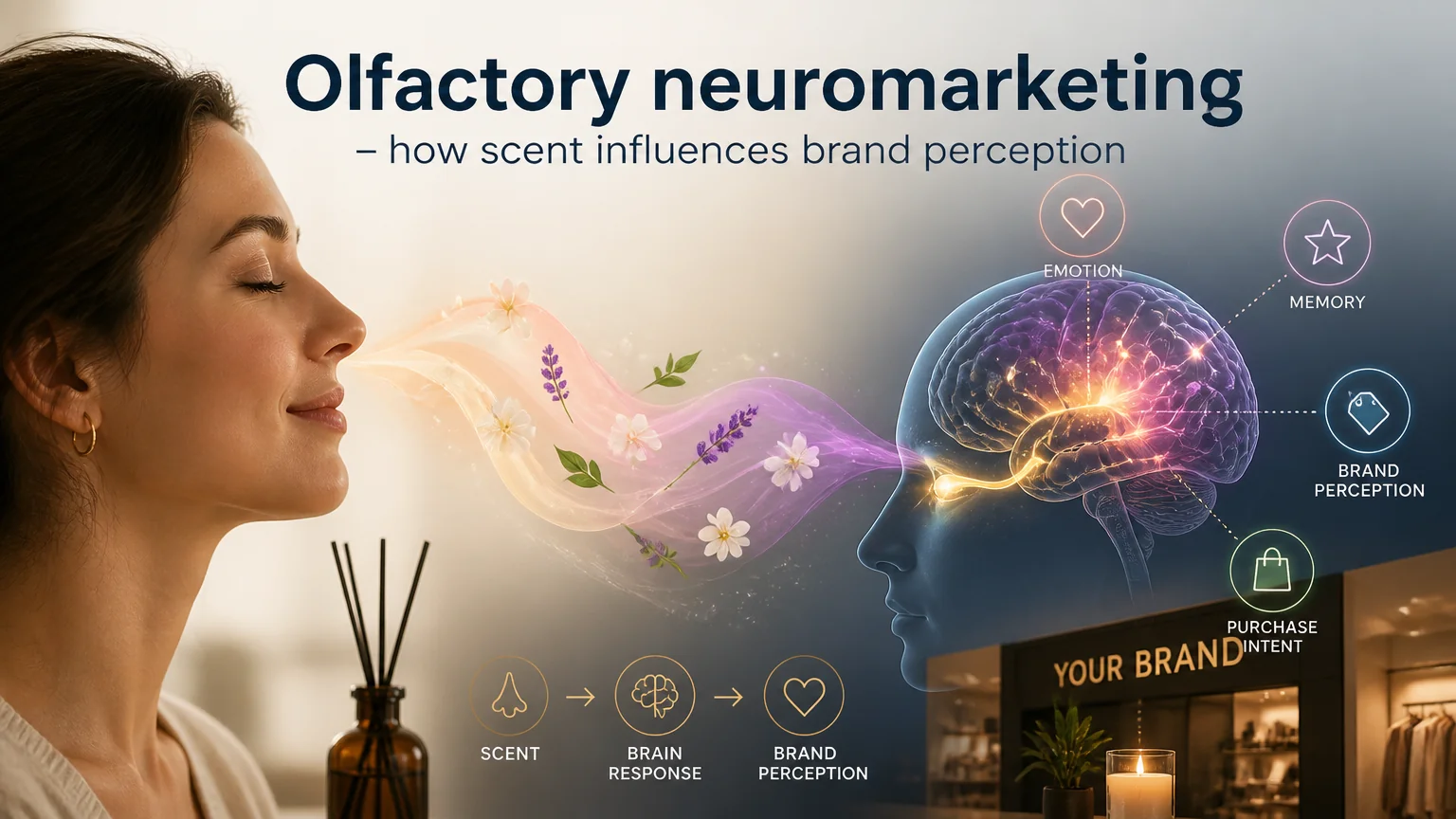
Olfactory neuromarketing - how scent influences brand perception
The connection between scent and memory can enhance brand experiences; learn how to leverage olfactory marketing strategies in this course focused on sensory branding applications for more impactful customer encounters.
The sense of smell is intimately linked to memory and emotions, and that makes it a powerful tool to influence the perception of a brand. Here I will explain in a practical and evidence-based way how scent can change the customer experience, what types of strategies work best and what precautions you should take into account when implementing a scent strategy.
Smell reaches the brain through the olfactory bulb, a structure directly connected to the hippocampus and amygdala, areas associated with memory and emotions. This is why a scent can evoke vivid memories and generate immediate emotional responses.
When a customer associates a scent with a positive experience, that association can endure and facilitate brand recall. Well-designed scent campaigns generate sensory anchors that strengthen loyalty.
Certain scents can reduce stress, increase feelings of well-being or even stimulate appetite. These emotional changes influence purchasing decisions and the willingness to stay longer at a point of sale.
The use of scent is not limited to physical stores; hotels, offices, events and packaged goods also benefit. Common applications and specific examples are listed below.
An effective strategy is not a matter of choosing a scent at random; it requires research, testing and consistency with brand identity.
Before choosing a fragrance, clarify whether the objective is to increase dwell time, enhance the perception of luxury, reduce the feeling of poor cleanliness or reinforce a specific campaign.
The scent must resonate with the target audience and fit the environment. A floral scent may work in women's fashion stores, but will not always be appropriate in a car dealership.
Measuring the impact of a scent strategy is essential to justify investment and optimize results.
Testing in pilot stores or at different times of the day helps isolate the effect of scent versus other variables.
Using scent as a persuasive tool raises responsibilities. It is important to ensure that the strategy is respectful and safe for everyone.
Some people react negatively to certain compounds. Opting for hypoallergenic fragrances, regulating the intensity and communicating the presence of scents avoids risks and complaints.
In closed events or spaces where privacy is expected, informing about the use of fragrances and offering scent-free zones is a good practice that respects the diversity of preferences.
Even with good intentions, there are frequent failures that reduce the effectiveness of a scent strategy.
If you're ready to test scent as a brand lever, follow these simple steps to minimize risk and maximize learning.
Brands that have strategically integrated scent have achieved higher recall and loyalty rates. A key learning is that consistency over time and across touch points reinforces sensory anchoring.
It is also common to observe that small variations in formulation or intensity can transform an experience, so iteration and active listening to the customer are critical.
Scent is a powerful dimension of branding that, when managed with scientific and ethical criteria, can transform customer perception and behavior. Implementing a scent strategy requires research, testing and sensitivity to consumer diversity, but the potential for creating memorable experiences and competitive differentiation is enormous.
Do you prefer learning by watching and listening? Expand your knowledge with these free videos related to this topic.
Discover how neuroscience principles can uncover subconscious triggers behind purchases and help you create more effective, ethical advertising messages.
Watch VideoDiscover how the brain’s three levels work, why instinct shapes decisions, and how to craft persuasive messages that connect with survival and emotion.
Watch VideoLearn how MRI, EEG, and eye tracking measure attention and emotion without words, helping marketers optimize ads and designs with more valuable insight.
Watch VideoSearch
Popular searches