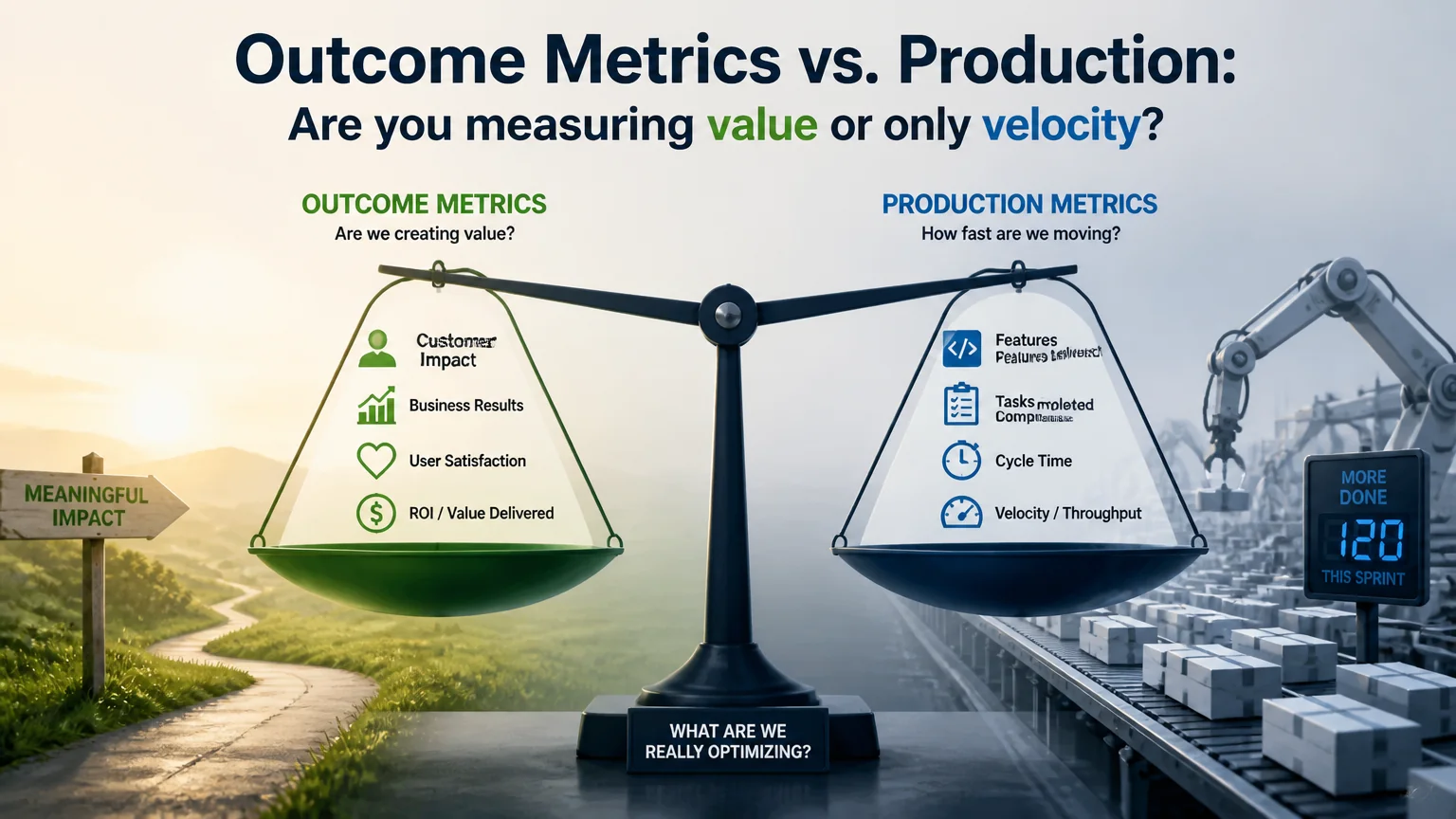
The Current Context: VUCA, BANI and the Need to Adapt
Understand VUCA and BANI, and use agile mindsets and tools to adapt, decide, and sustain value in volatile, uncertain, complex, ambiguous environments.
Watch Video For Onlinecourses55
|
2026-11-14
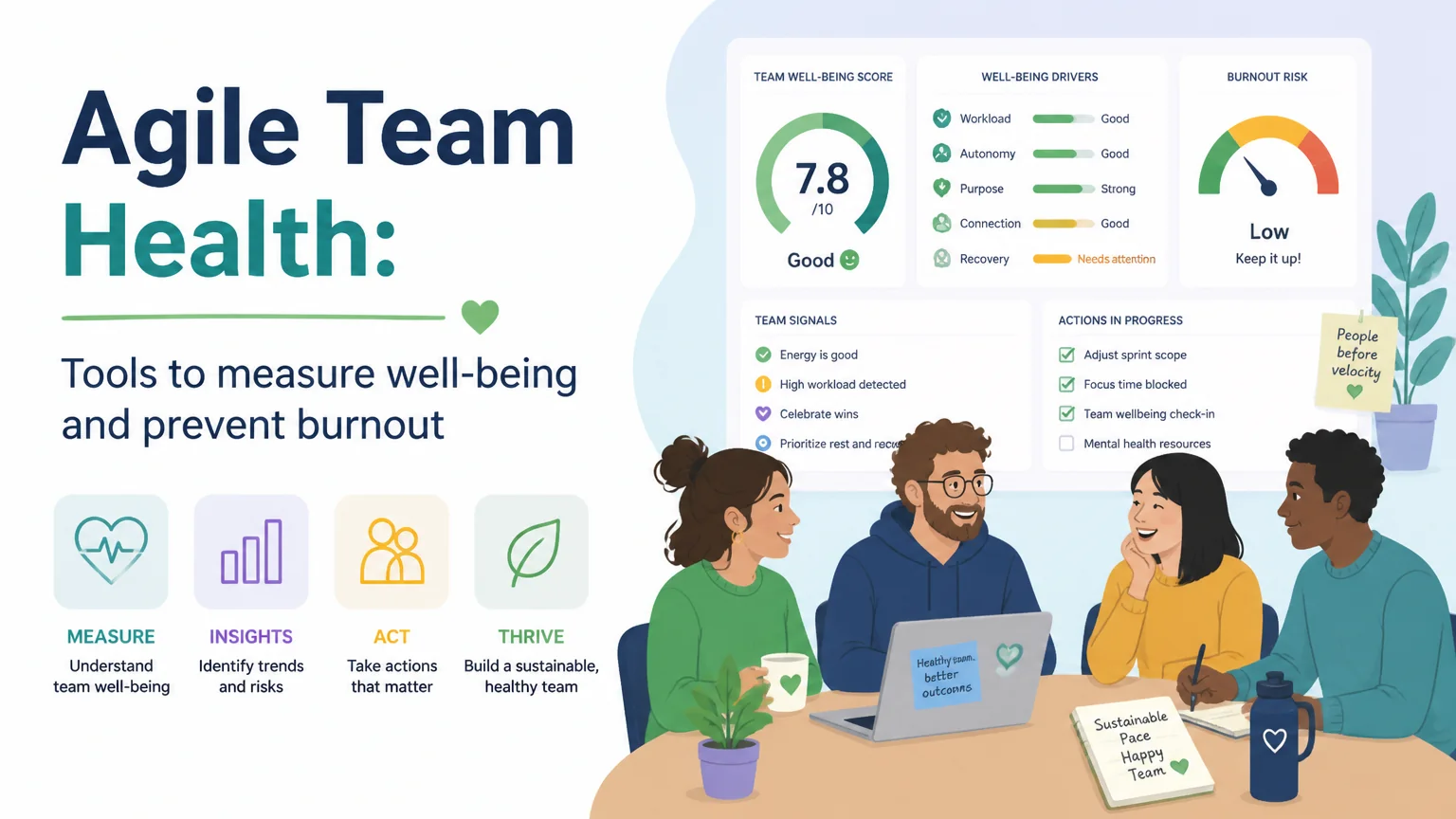
Agile team health: tools to measure well-being and prevent burnout
To truly empower your agile team and ensure a thriving environment, consider enrolling in a program that trains you as a skilled agile mentor. This will enable you to foster high morale and motivation within your team, enhancing productivity and well-being through expert coaching techniques that can transform your approach to teamwork and collaboration.
In the fast-paced world of agile methodologies, where collaboration and adaptability are key, one crucial factor is often overlooked: team health. A healthy agile team is not only more productive, but also more innovative, creative, and resilient. Ignoring the well-being of team members can lead to decreased morale and, ultimately, project failure.
This article explores the importance of prioritizing agile team health, offering practical tools to measure well-being and prevent professional burnout. We will learn how to create an environment where team members feel valued, supported, and empowered to perform at their best without compromising their mental and physical health.
The health of an agile team encompasses much more than simply meeting deadlines and achieving goals. It implies a state of overall well-being that manifests in:
When these elements are present, the agile team can operate optimally and achieve exceptional results.
Burnout, or occupational exhaustion syndrome, is a condition characterized by emotional exhaustion, depersonalization, and reduced personal performance. In the context of agile teams, burnout can be particularly insidious due to the demanding and fast-paced nature of the work. Factors that contribute to burnout in agile teams include:
Recognizing the early signs of burnout is crucial to intervene in time and prevent negative consequences for the team's health and the project's success.
Fortunately, there are various tools and techniques that team leaders and scrum masters can use to measure team well-being and detect potential problems. These tools can provide valuable insights into morale, motivation, and the stress level of team members.
Anonymous surveys and regular pulse checks are an excellent way to collect honest and candid feedback from team members. Questions can address topics such as job satisfaction, work–life balance, perception of management support, and stress level.
Recommended Tools: SurveyMonkey, Google Forms, Officevibe.
Retrospective meetings should not only focus on team performance and process improvement but also on the well-being of team members. Dedicating time to discuss how team members feel, what challenges they are facing, and what can be done to improve their well-being can be very valuable.
Practical Tip: Use techniques like the "Happiness Index" or the "Sadness Index" to assess the team's general mood.
Individual meetings between the team leader and each team member offer the opportunity to address individual concerns and provide personalized support. These meetings can be a safe space for team members to share their challenges and receive guidance and feedback.
Key Questions: "How do you feel about your workload?", "What support do you need to succeed?", "Is there anything preventing you from performing at your best?".
Team leaders should be alert to subtle signs of stress or exhaustion in team members, such as changes in behavior, decreased productivity, or increased absenteeism. Active listening is essential to understand team members' concerns and provide support effectively.
There are apps and tools that allow team members to record their daily mood. This information can be useful to identify patterns and trends that may indicate a well-being problem.
Example: Happy Melly One on One
Once the team's health has been assessed, it is crucial to implement strategies to prevent burnout and promote well-being. These strategies should be proactive and integrated into the team's culture.
Offering flexible work options, such as flexible hours or remote work, can help team members balance their work and personal responsibilities. This can reduce stress and improve job satisfaction.
Creating an environment where team members feel comfortable sharing their concerns and needs is essential. Open and transparent communication fosters trust and mutual support.
Encouraging team members to disconnect from work after office hours and to take regular breaks during the day can help prevent burnout. It is important to respect others' personal time and avoid sending emails or messages outside of working hours.
Offering training and professional development opportunities can help team members feel valued and empowered. Additionally, investing in well-being programs, such as yoga classes or mindfulness sessions, can improve employees' physical and mental health.
Recognizing and celebrating the team's achievements, both big and small, can boost morale and motivation. A simple "thank you" or public recognition can make a big difference.
Do you prefer learning by watching and listening? Expand your knowledge with these free videos related to this topic.
Understand VUCA and BANI, and use agile mindsets and tools to adapt, decide, and sustain value in volatile, uncertain, complex, ambiguous environments.
Watch VideoMaster agile thinking, compare it with waterfall, and apply adaptive planning, iterations, Scrum, and Kanban to deliver value in changing environments.
Watch VideoA practical guide to supporting individuals and teams through resistance, chaos, transformation, and integration during a successful transition to agility.
Watch VideoSearch
Popular searches