For Onlinecourses55
|
2026-10-30
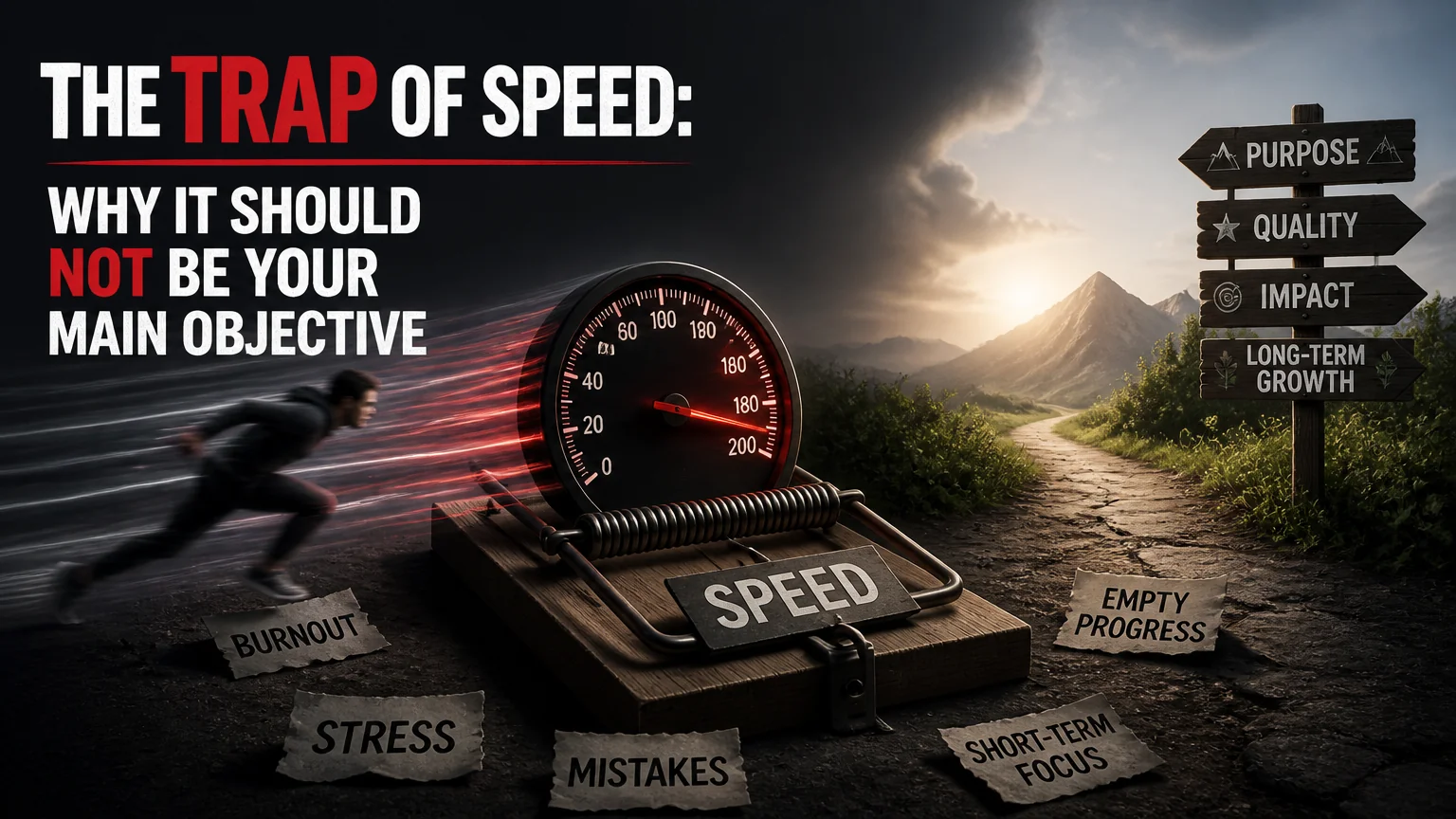
The trap of speed: why it should not be your main objective - professional agile coach
As you work on optimizing your site's performance, don't forget the importance of nurturing a strong SEO strategy. Explore how becoming an effective agile facilitator can elevate your projects, helping you unite content quality with speed through the skills learned in our comprehensive coaching course, ultimately leading to sustained success.
In the fast-paced world of SEO (Search Engine Optimization), page load speed has become an obsessively monitored metric. While it is undeniable that a fast page offers a better user experience and is a factor considered by Google for ranking, falling into the trap of obsessing *only* about speed can be a costly strategic mistake. This article explores why speed, although important, should not be your only SEO goal and what other crucial aspects you should prioritize.
The idea that a faster website automatically equals better ranking is an oversimplified myth. Sure, Google values speed, but it does not value it above content quality and relevance, the overall user experience, or your site's authority. Focusing exclusively on optimizing speed at the expense of these other factors is like building a race car with a powerful engine but no brakes or steering wheel.
Imagine this: you have managed to reduce your page load time to fractions of a second. Fantastic! But what happens if the content is irrelevant, poorly written, confusing, or, worse, plagiarized? What if navigation is labyrinthine, the interface is outdated, and the design is unattractive? In those cases, speed alone will not save you. Users will bounce quickly, Google will notice, and your rankings will suffer.
Speed is *part* of the user experience, but it is not the *totality* of the experience. A fast but frustrating page can be worse than a slower but intuitive and pleasant one. Consider the following aspects:
Prioritizing UX as a whole, rather than focusing solely on speed, will lead to lower bounce rates, longer time on page, and ultimately better SEO rankings.
To build a solid and sustainable SEO strategy, you must consider a broader range of factors, including:
Understanding what your users are searching for is fundamental. Conduct thorough keyword research relevant to your niche and use them strategically in your content, titles, descriptions, and image alt tags.
Content is the fuel of your SEO strategy. Create original, informative, useful, and engaging content that solves your users' problems and answers their questions. Prioritize depth, accuracy, and readability.
Ensure your website is properly optimized for search engines. This includes optimizing your titles, meta descriptions, headings, URLs, and image alt tags. Use relevant keywords naturally and avoid keyword stuffing.
Links from other websites (backlinks) are a vote of confidence for your site. Work to acquire links from relevant, high-authority websites. Create valuable content that is worthy of being linked to.
Make sure your website is easy for search engines to crawl and index. This includes creating a sitemap.xml, optimizing your robots.txt file, fixing 404 errors, and ensuring your website is mobile-friendly.
Search
Popular searches