The Intersection Between Psychology and Marketing Today
Discover how to use commercial psychology ethically, understand customer motives, connect emotionally, and make transparent decisions that build trust.
Watch Video For Onlinecourses55
|
2026-11-05
Gamification: psychological principles to engage the user
Gamification's potential lies in its psychological foundations, so enhance your skills by taking a deep dive into courses focusing on engaging marketing strategies that motivate and captivate.
Gamification is not turning everything into a game, but intentionally applying game dynamics to guide behaviors, increase motivation and create positive habits. When well designed, it relies on solid psychological principles that explain why certain mechanics are naturally engaging. The challenge is to balance motivation, clarity and ethics so the user feels real progress, not just bells and whistles.
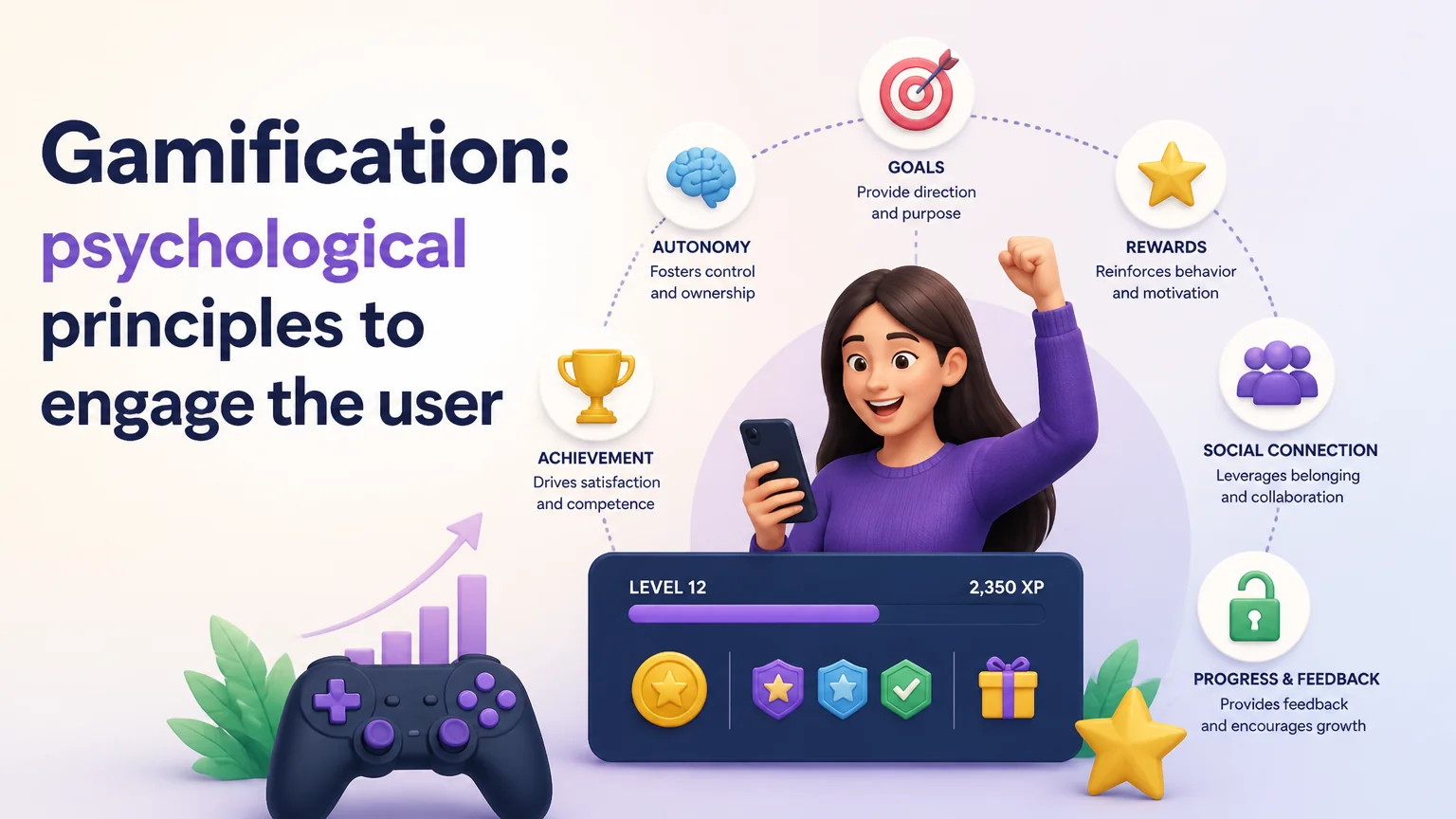
People respond to signals of progress, social recognition and meaningful rewards. Games package these signals into clear loops: action, immediate feedback, reward and a new goal. That cycle reduces friction, maintains curiosity and reinforces desired behaviors. It also appeals to universal psychological needs: feeling autonomy to choose, competence to improve and connection with others.
Positive reinforcement consolidates behaviors. When rewards arrive with some variability (sometimes small, sometimes large), the expectation keeps interest high. That's why surprise chests, unexpected achievements or low-cost giveaways work. The key is that the reward is connected to the product's value, not an empty ornament.
People engage more when they feel they choose (autonomy), improve (competence) and belong (relatedness). Offering alternative paths, difficulty levels and options for collaboration or community raises intrinsic motivation and reduces dependence on extrinsic incentives.
Well-defined goals, with visible progress indicators, reduce uncertainty and facilitate focus. Immediate feedback (bars, checklists, micro-animations) communicates “you’re doing well” or “adjust” without interrupting. The faster the cycle between action and response closes, the smoother the learning.
Flow occurs when challenge aligns with skill: neither too easy nor too difficult. At that point, the user loses track of time because they progress at a good pace. To achieve it, scale difficulty, offer contextual hints and break large tasks into small missions.
Seeing others participate, share progress or achieve goals reinforces the social norm. Rankings, badges and roles communicate status, but they should avoid humiliating or excluding. Segmenting leaderboards by level and celebrating personal improvements protects the motivation of newcomers.
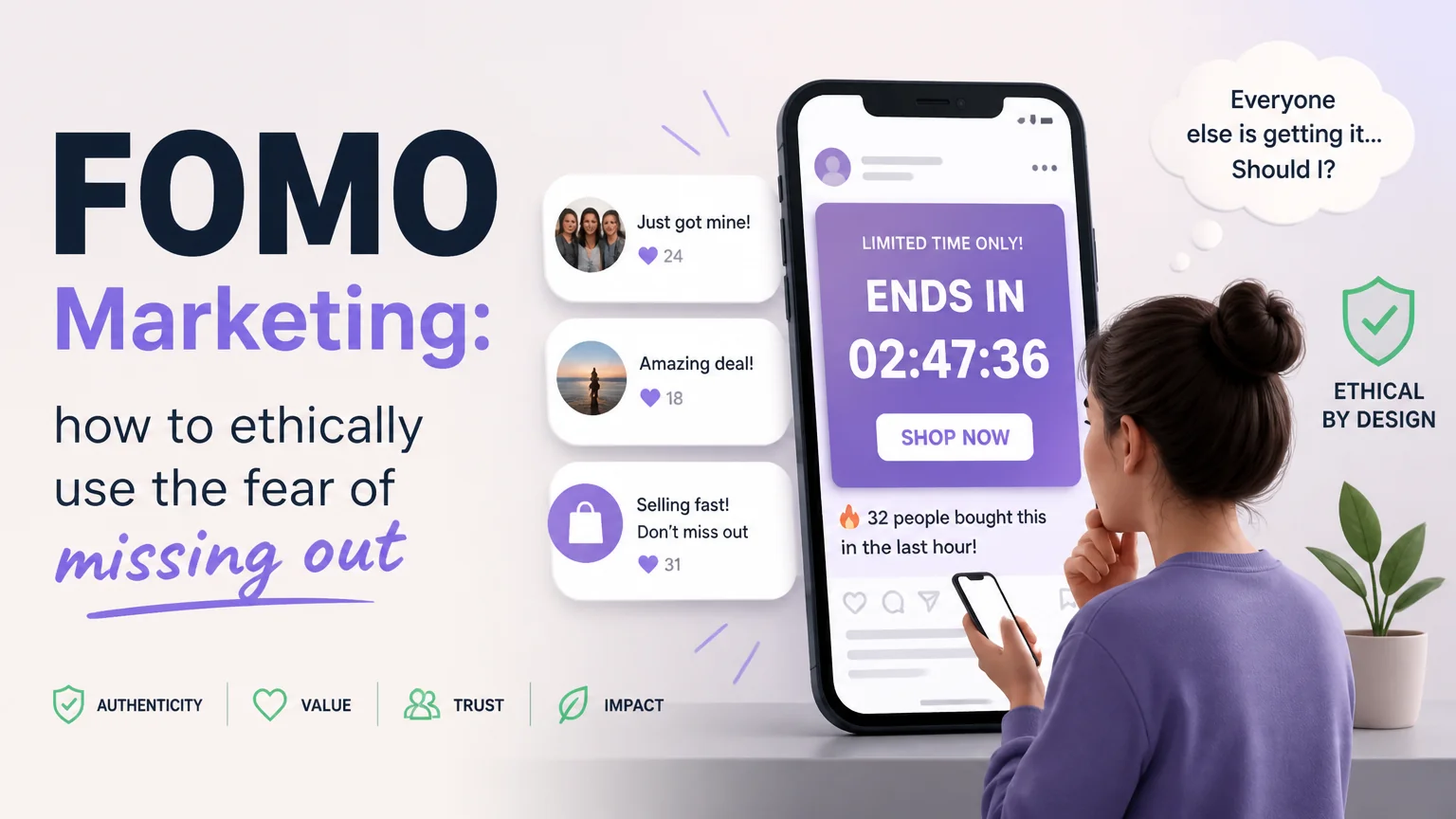
Time-limited windows, streaks or weekly missions promote action by limiting time. Use them to prioritize what matters (for example, healthy habits) and not as empty pressure. If the urgency doesn't add value, it is perceived as manipulation.
People value more what they already “own” and avoid losing it. Streaks, coins or privileges work better if they are tied to healthy behaviors and offer fair recovery paths (for example, a wildcard to avoid losing the streak).
Stories provide context and meaning. A simple narrative (chapters, characters, worlds to unlock) helps understand the “why” of each step. The narrative should support the product's core value, not distract from it.
Experiment with A/B tests, cohort analyses and qualitative interviews. Change one variable at a time and observe short- and long-term effects; some mechanics inflate initial use but harm retention.
The line between motivating and manipulating is thin. Prioritize user autonomy: explain why each mechanic exists, allow silencing notifications and make it easy to exit without unfair penalties. Avoid loops that encourage overuse or impulsive spending. Design for well-being: breaks, limits and reminders of real goals.
When mechanics are anchored in psychological principles, the experience stops depending on tricks and becomes a system that teaches, guides and celebrates authentic progress. Start small, test, listen and adjust. Sustained motivation is built with clear objectives, honest feedback and a design that respects people's minds and time.
Do you prefer learning by watching and listening? Expand your knowledge with these free videos related to this topic.
Discover how to use commercial psychology ethically, understand customer motives, connect emotionally, and make transparent decisions that build trust.
Watch VideoYou will identify the five levels of the needs pyramid, how products meet functional and emotional needs, and why consumer priorities change with life context.
Watch VideoDiscover how emotions outweigh logic in shopping, why consumers seek reasons to justify impulses, and how experience and presentation shape perceived value.
Watch VideoSearch
Popular searches