For Onlinecourses55
|
2026-07-23
For Onlinecourses55
|
2026-07-23

How can i manage my emotions at work? - sadness happiness
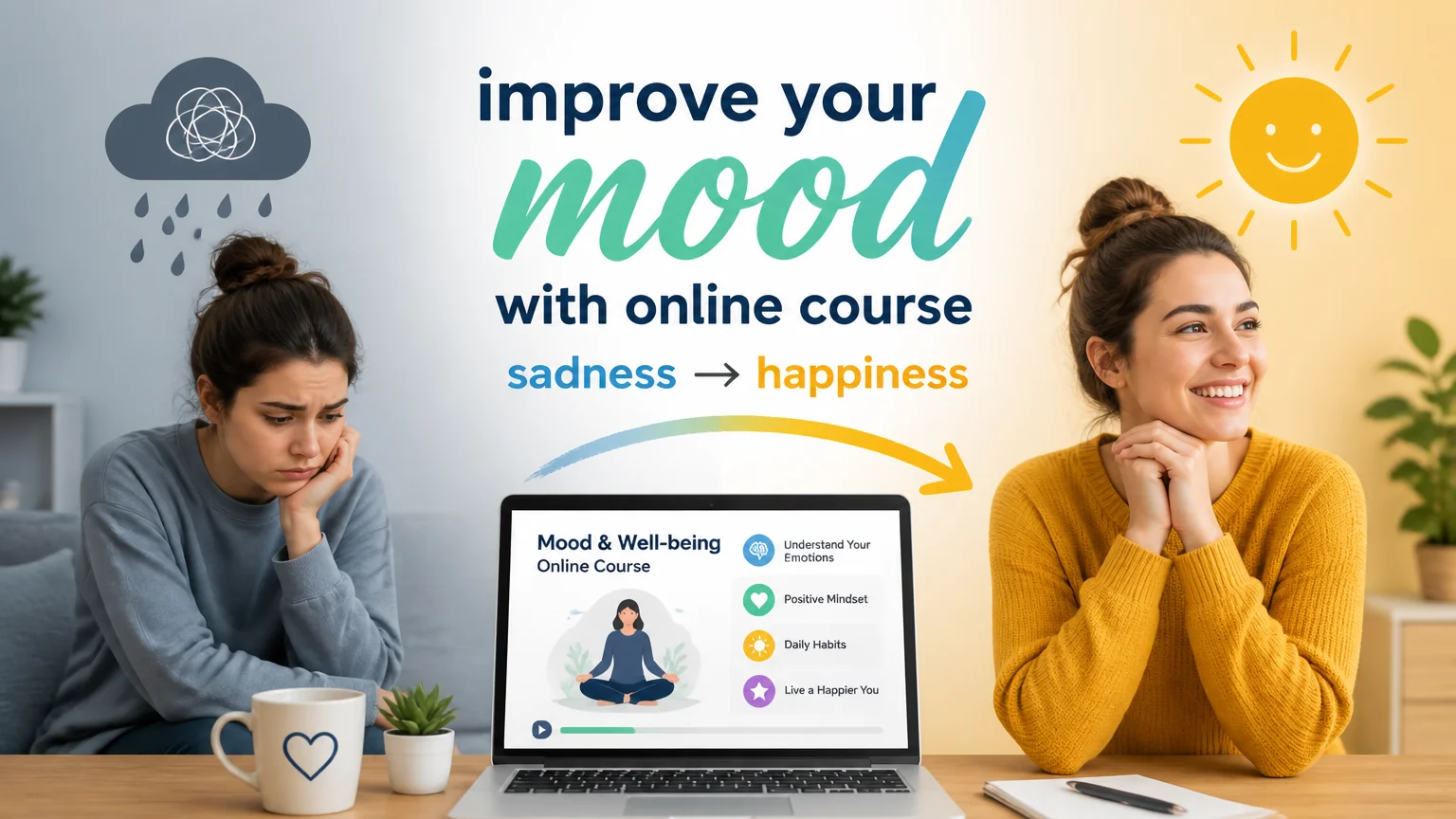
If workplace challenges leave you feeling overwhelmed, consider embracing the training focused on navigating sadness and happiness to help transform your emotional responses and boost your productivity.
We've all been there. That meeting that gets on your last nerve, the email that leaves you boiling with frustration, or the simple accumulation of small things that make you feel on the verge of collapse. Work can be an emotional whirlwind, and knowing how to navigate those waters is crucial for your well-being, productivity, and professional success.
But how do you do it? Don't worry, you're not alone. The good news is that managing your emotions at work is a skill that can be learned and perfected. Join me on this journey to discover practical and effective strategies that will help you stay calm, focused, and in control, even in the most challenging moments.
The first step to managing your emotions is, simply, to recognize that you are feeling them. This may sound obvious, but we often try to ignore or suppress our emotions, thinking they will disappear. Wrong! Repressed emotions tend to surface in unhealthy ways, such as outbursts of anger, anxiety, or burnout.
Instead of fighting your emotions, accept them. Allow yourself to feel what you are feeling, without judging yourself. Ask yourself: "What am I feeling right now?" "Why do I feel this way?" This simple practice of self-awareness is fundamental to start taking control.
Once you are aware of your emotions, the next step is to identify the triggers. What situations, people, or thoughts provoke negative emotions in you at work? Is it the boss who always criticizes you? Is it the impossible deadlines? Is it the constant need to be "always on"?
Keep an emotional journal for a week or two. Write down the situations that cause you stress, frustration, or anxiety, and describe how you feel. Over time, you will start to see patterns and identify your emotional triggers.
When you feel overwhelmed by emotions, having some relaxation techniques on hand can be a lifesaver. Deep breathing is one of the simplest and most effective tools. When you feel tense, take a few minutes to breathe deeply, inhaling through your nose and exhaling through your mouth.
Mindfulness is another powerful technique. It consists of paying attention to the present moment, without judgment. You can practice mindfulness for a few minutes a day, focusing on your breath, your bodily sensations, or the sounds around you.
Often, our emotions are the result of our thoughts. If you have negative or irrational thoughts, you are likely to feel anxious, frustrated, or depressed. Cognitive reframing is a technique that helps you identify and change these negative thought patterns.
For example, if you think "I'm never going to finish this project on time," you can reframe it as "This project is challenging, but I can break it down into smaller tasks and ask for help if I need it."
One of the most common mistakes we make at work is not setting clear boundaries. We say "yes" to everything, work late, and answer emails at all hours. This can lead to emotional exhaustion and chronic stress.
Learn to say "no" to demands that overwhelm you, set definite working hours, and disconnect from work when you are out of the office. Protecting your energy is essential to maintaining your emotional well-being.
Assertive communication is the ability to express your needs and opinions in a clear, honest, and respectful manner. This doesn't mean being aggressive or passive, but finding a middle ground where you can stand up for your rights without trampling on others.
Learn to express your disagreements constructively, ask for help when you need it, and set clear boundaries in your work relationships.
You don't have to deal with your emotions alone. Talk to a trusted friend, family member, or colleague about what you are feeling. Sometimes, simply verbalizing your emotions can help you feel better.
If you feel you need additional help, consider seeking a professional therapist or coach. A professional can help you develop more effective coping strategies and overcome the emotional challenges you face at work.
Self-care is not a luxury, but a necessity. Make time for activities that make you feel good, such as exercising, spending time with loved ones, reading a book, or simply relaxing in a hot bath.
Make sure you get enough sleep, eat healthily, and avoid excessive consumption of alcohol or caffeine. Taking care of your body and mind is fundamental to maintaining your emotional balance.
When you feel connected to your purpose at work, it's easier to face emotional challenges. Reflect on what motivates you, what you are passionate about, and what makes you feel fulfilled.
Look for opportunities to use your talents and skills in a meaningful way, and try to find a sense of purpose in what you do.
We all make mistakes, and it's important to learn from them. Don't beat yourself up for feeling negative emotions at work. Instead, analyze the situation, identify what you can do differently next time, and move on.
Emotional management is a continuous process of learning and growth. Be patient with yourself, celebrate your successes, and learn from your failures.
Managing your emotions at work is not an easy task, but it is an essential skill for your well-being, productivity, and professional success. By recognizing and accepting your emotions, identifying your triggers, practicing relaxation techniques, reframing your thoughts, setting clear boundaries, communicating assertively, seeking support, practicing self-care, finding meaning in your work, and learning from your mistakes, you can create a healthier and more positive work environment for yourself and those around you.
Remember, you are not alone on this journey. With practice and patience, you can learn to manage your emotions effectively and thrive at work. I wish you much success!
Search
Popular searches