For Onlinecourses55
|
2026-10-25

Sexually transmitted diseases in women: what every woman should know - sexual diseases
Having informed discussions about STIs is vital for intimate health; learn how through our clear and practical guide on STIs and related health topics designed for your peace of mind.
Talking about sexually transmitted infections can be uncomfortable, but understanding them is vital for maintaining intimate health. Many of these infections are asymptomatic at first, and without diagnosis or treatment, they can complicate fertility, pregnancy, and overall well-being. This article provides clear and practical information on symptoms, testing, treatments, and prevention, designed for those who want to make informed decisions about their health.
These are infections transmitted primarily through vaginal, anal, or oral sexual contact. Some are caused by bacteria, others by viruses, parasites, or fungi. Transmission can also occur through sharing sex toys that haven’t been properly cleaned or through intimate contact with mucous membranes or open wounds. Consistent and correct condom use reduces the risk, but does not completely eliminate it for infections affecting areas not covered by the condom.
Symptoms can vary depending on the causative agent, but there are common signs that should not be ignored:
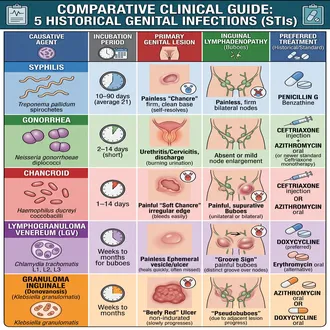
This is a very common bacterial infection that is often asymptomatic. When symptoms do appear, they may include abnormal discharge, pain when urinating, or pelvic pain. If left untreated, it can cause pelvic inflammatory disease (PID) and affect fertility. It is diagnosed through laboratory tests using urine samples or swabs and is treated with antibiotics. It is important for sexual partners to be treated to prevent reinfection.
Also bacterial in origin, it shares symptoms with chlamydia but may be more symptomatic. Detection is performed via culture or genetic amplification tests. Treatment involves antibiotics; however, there are resistant strains, so medical follow-up and follow-up testing are key.
Caused by a bacterium, in its early stages it may present as a painless ulcer that sometimes goes unnoticed. If left untreated, it progresses and can affect internal organs. Serological testing and treatment with penicillin are important. Early detection is essential, especially in pregnant women to prevent transmission to the fetus.
This is a very common family of viruses. Many types cause genital warts, while others are associated with an increased risk of cervical cancer. Most infections resolve on their own, but regular screenings such as the Pap test and HPV testing help detect precancerous changes. Effective vaccines are available that protect against the most dangerous genotypes and are recommended based on age and risk factors.
Caused by the herpes simplex virus, it produces painful blisters or sores in the genital area. After the initial infection, the virus can remain dormant and reactivate. There is no definitive cure, but oral antiviral medications help reduce symptoms, the duration of outbreaks, and transmission. Communication with your partner and preventive measures during active outbreaks are important.
Trichomoniasis is a parasitic infection that typically causes frothy discharge, odor, and itching. Bacterial vaginosis results from an imbalance in the vaginal flora, with a grayish discharge and a fishy odor; it is not always related to sexual intercourse, but sexual activity can be a contributing factor. Both conditions are diagnosed through clinical examination and laboratory tests and are treated with specific medications.
The human immunodeficiency virus can be transmitted through unprotected sexual intercourse. Today, antiretroviral treatments allow people to live with the infection and reduce the viral load to undetectable levels, which drastically lowers the risk of transmission. Post-exposure prophylaxis and pre-exposure prophylaxis are additional tools in high-risk situations.
If you suspect an infection, visit a health center, specialized clinic, or your doctor. Tests may include vaginal, anal, or oral swabs, urine tests, serological tests, and Pap smears. Many clinics offer confidential testing and rapid results. It is recommended that you get tested regularly if you have new sexual partners or engage in risky behaviors.
Treatment depends on the causative agent: antibiotics for bacteria, antivirals for certain viruses, and antiparasitic medications as needed. It is crucial to complete the prescribed treatment, avoid sexual intercourse until authorized by your doctor, and ensure that sexual partners also receive care. Self-care, such as maintaining proper hygiene and avoiding douches that disrupt the vaginal flora, complements medical treatment.
Some infections can be transmitted to the fetus or newborn and cause serious complications. For this reason, early detection during pregnancy is part of routine checkups. Treatment during pregnancy is usually adjusted to be safe for both the mother and the baby. If you’re planning to become pregnant, consult your healthcare provider to get tested and treat any existing infections.
Seek medical care if you experience any of the symptoms described above, if you notice changes in your discharge or pelvic pain, or if your partner has been diagnosed with an infection. It’s also advisable to seek advice after risky sexual activity or if you need information about testing and vaccines. Early intervention reduces risks and improves outcomes.
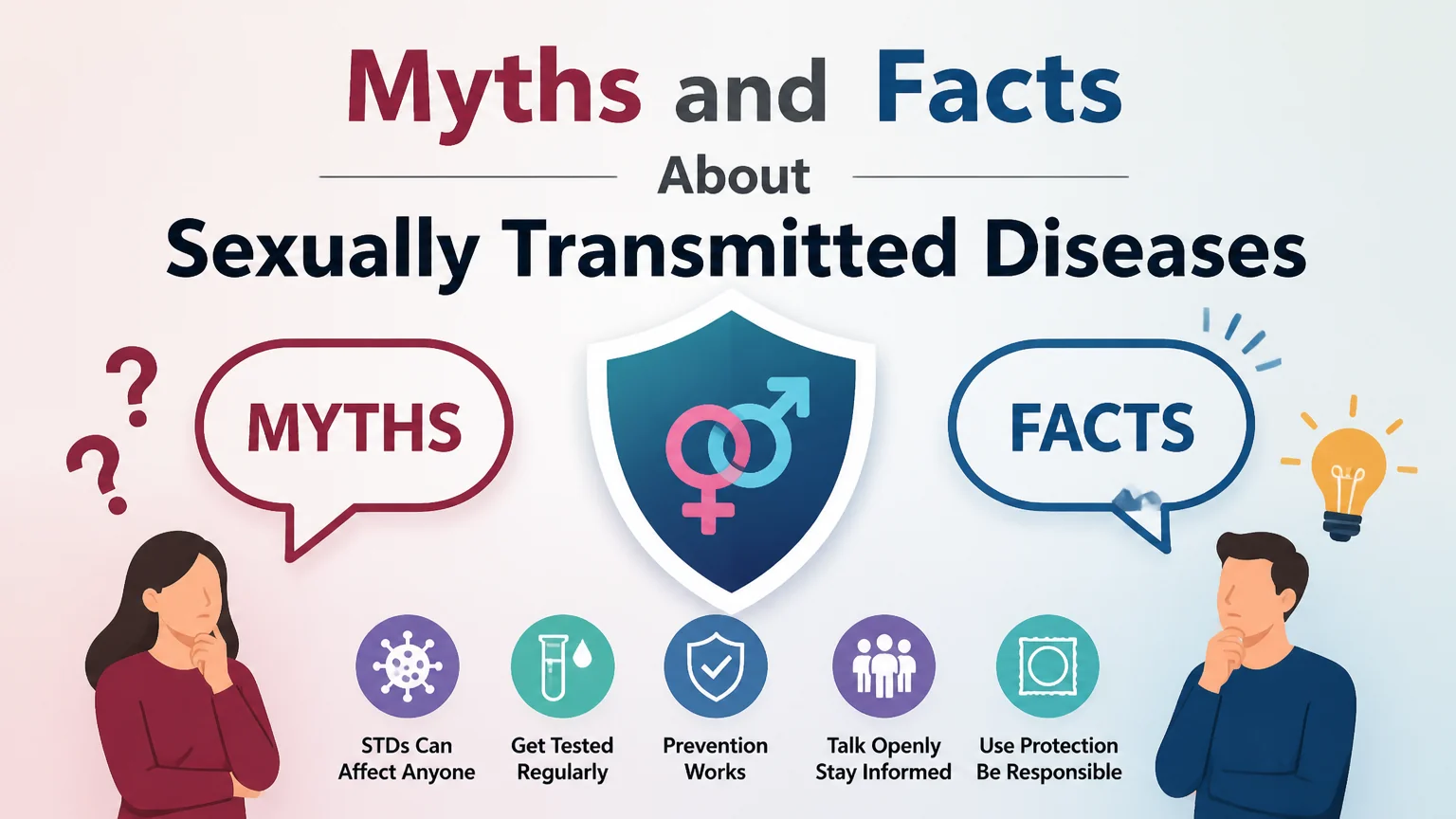
There are many misconceptions: not all discharge indicates a serious infection; using vaginal douches does not prevent infections and can make them worse; the absence of symptoms does not guarantee that you are free of infections. Getting information from reliable sources and talking to healthcare professionals helps you separate myth from fact and make safe decisions.
Knowing the signs, getting tested, and practicing safe sex are powerful tools for protecting your intimate health. Access to testing, vaccines, and treatments has improved significantly; however, the key lies in prevention, early detection, and honest communication with partners and healthcare professionals. Taking care of yourself means staying informed and acting responsibly.
Search
Popular searches