Introduction
Sexually transmitted infections (STIs) affect millions of people worldwide and can manifest in a wide variety of ways. Understanding the causes, symptoms, and treatment options is key to identifying any issues early and reducing the risk of complications. Below is a practical and clear guide to the most common STIs, how they manifest, and what to do in each case, written in accessible, action-oriented language.
Main Causes and Risk Factors
STIs are primarily transmitted through unprotected vaginal, anal, or oral sex. Factors that increase the risk include having multiple sexual partners, engaging in unprotected sex, a history of other STIs, and a lack of regular testing. Other contributing factors include alcohol or drug use, which can lead to risky behaviors, and a lack of access to health services and adequate sex education.
Factors That Contribute to Transmission
- Sex without a condom.
- Multiple sexual partners or partners with an unknown history.
- Drug or alcohol use that reduces risk perception.
- Lack of vaccination against preventable viruses (e.g., HPV or hepatitis B).
- Lack of awareness of symptoms or stigma that prevents people from seeking medical care.
Common symptoms by type of infection
Symptoms vary depending on the causative agent: bacteria, viruses, parasites, or fungi. Some STIs are asymptomatic in the early stages, so the absence of symptoms does not guarantee that an infection is not present. It is important to be aware of the most common signs so you can act quickly.
General symptoms to watch for
- Abnormal or foul-smelling genital discharge.
- Pain or burning during urination.
- Lesions, sores, warts, or blisters on the genitals or near the mouth.
- Persistent itching.
- Pain during sexual intercourse.
- Fever or general malaise in more advanced infections.
Common Bacterial Infections
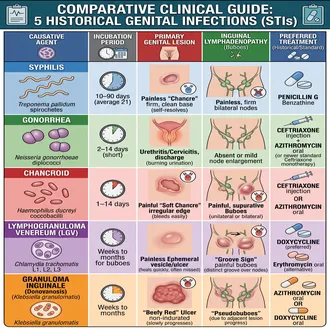
Among the most common bacterial infections are chlamydia, gonorrhea, and syphilis. These usually respond well to antibiotics when detected early, but lack of treatment can lead to reproductive problems and other serious complications.
Chlamydia and gonorrhea
- Chlamydia: Often asymptomatic, it can cause discharge, pain when urinating, and pelvic pain. In women, it can lead to pelvic inflammatory disease.
- Gonorrhea: Usually presents with a purulent discharge, a burning sensation when urinating, and, occasionally, testicular or pelvic pain.
- Treatment: Specific antibiotics based on diagnosis and follow-up tests to confirm eradication.
Syphilis
- Primary stage: A painless ulcer appears that may go unnoticed.
- Secondary stage: Skin rashes and general symptoms.
- Tertiary stage: Can cause organ damage if left untreated.
- Treatment: penicillin or other antibiotics as recommended by a doctor and depending on the stage of the disease.
Common Viral Infections
Viruses such as human papillomavirus (HPV), herpes simplex, and HIV require different approaches. While some viruses can be managed and complications prevented, others require chronic treatment and specific prevention strategies.
Human papillomavirus (HPV)
- Some types cause genital warts, and high-risk types may be associated with cervical cancer or other cancers.
- Prevention: vaccination, condom use, and Pap smears or HPV testing.
- Treatment: removal of lesions and follow-up; there is no cure for the virus itself, but the immune system can control the infection.
Genital herpes
- It causes painful blisters or sores that may recur periodically.
- Treatment: oral antiviral medications that shorten the duration of outbreaks and reduce recurrences; they do not permanently eliminate the virus.
HIV
- It attacks the immune system and requires lifelong antiretroviral treatment to control viral replication.
- Early detection and adherence to treatment allow for a long life and reduce transmission.
- Pre-exposure prophylaxis (PrEP) and condom use are key prevention strategies.
Parasitic and Fungal Infections
Some common ailments are caused by lesser-known organisms: trichomoniasis and candidiasis often cause bothersome symptoms but are treatable with specific medications.
Trichomoniasis
- It presents with foamy discharge, a foul odor, and discomfort when urinating or during sex.
- Treatment: Oral antiparasitic medications that usually clear the infection with a single dose or a short course of treatment.
Candidiasis
- Caused by fungi of the genus Candida; it causes intense itching, redness, and a whitish discharge.
- Treatment: topical or oral antifungals, depending on the severity and recurrence.
Diagnosis and Recommended Tests
Early detection of an STI requires specific tests: urine analysis, discharge samples, blood tests, or molecular tests that identify the pathogens’ genetic material. It is important to inform the healthcare provider of your sexual history to guide the selection of the most appropriate tests.
- Chlamydia and gonorrhea tests: culture or PCR on urine or a genital specimen.
- HPV testing: Pap smear and HPV test based on age and local recommendations.
- Serology for syphilis and HIV: blood.
- Rapid tests: available at many centers for immediate diagnosis of HIV and syphilis.
Prevention and Care
Prevention combines individual and community measures: sex education, correct condom use, vaccination when appropriate, and regular screening. Maintaining open communication with sexual partners and getting tested before engaging in unprotected sex also reduces risks.
- Consistent and correct use of condoms during all sexual activities.
- Vaccination against HPV and hepatitis B according to public health guidelines.
- Get tested regularly if you have multiple partners or engage in high-risk sexual practices.
- Avoid using substances that impair judgment and increase risky behaviors.
When to See a Doctor
You should seek medical care if you experience any unusual genital symptoms, pain when urinating, sores, or abnormal discharge. It is also advisable to seek care after unprotected sex or if a partner reports having an STI. Early consultation facilitates treatment and prevents transmission to others.
- Sores or lesions on the genitals or anus.
- Discharge with an unusual odor or appearance.
- Fever accompanied by genital symptoms.
- Concerns following risky sexual contact.
Life After Diagnosis: Management and Support
Receiving a diagnosis can cause anxiety, but having the right information and professional support makes it easier to cope. It is essential to follow the prescribed treatment, inform recent sexual partners, and attend follow-up appointments. There are psychological support resources and groups that help people process the situation without stigma.
Practical Tips
- Always complete the full course of treatment, even if your symptoms improve.
- Avoid sexual intercourse until you are confirmed to be cured or the infection is under control, as directed by your doctor.
- Notify sexual partners so they can also get tested and treated if necessary.
- Seek emotional support if the news causes distress or insecurity.
Conclusion
Understanding the causes, symptoms, and treatment options for STIs is key to protecting your sexual health. Many infections are treatable, and others are preventable through vaccination and safe practices. If you notice symptoms or have been exposed to a risk, consult a healthcare professional: early detection and proper treatment make all the difference for both your well-being and that of your partners.