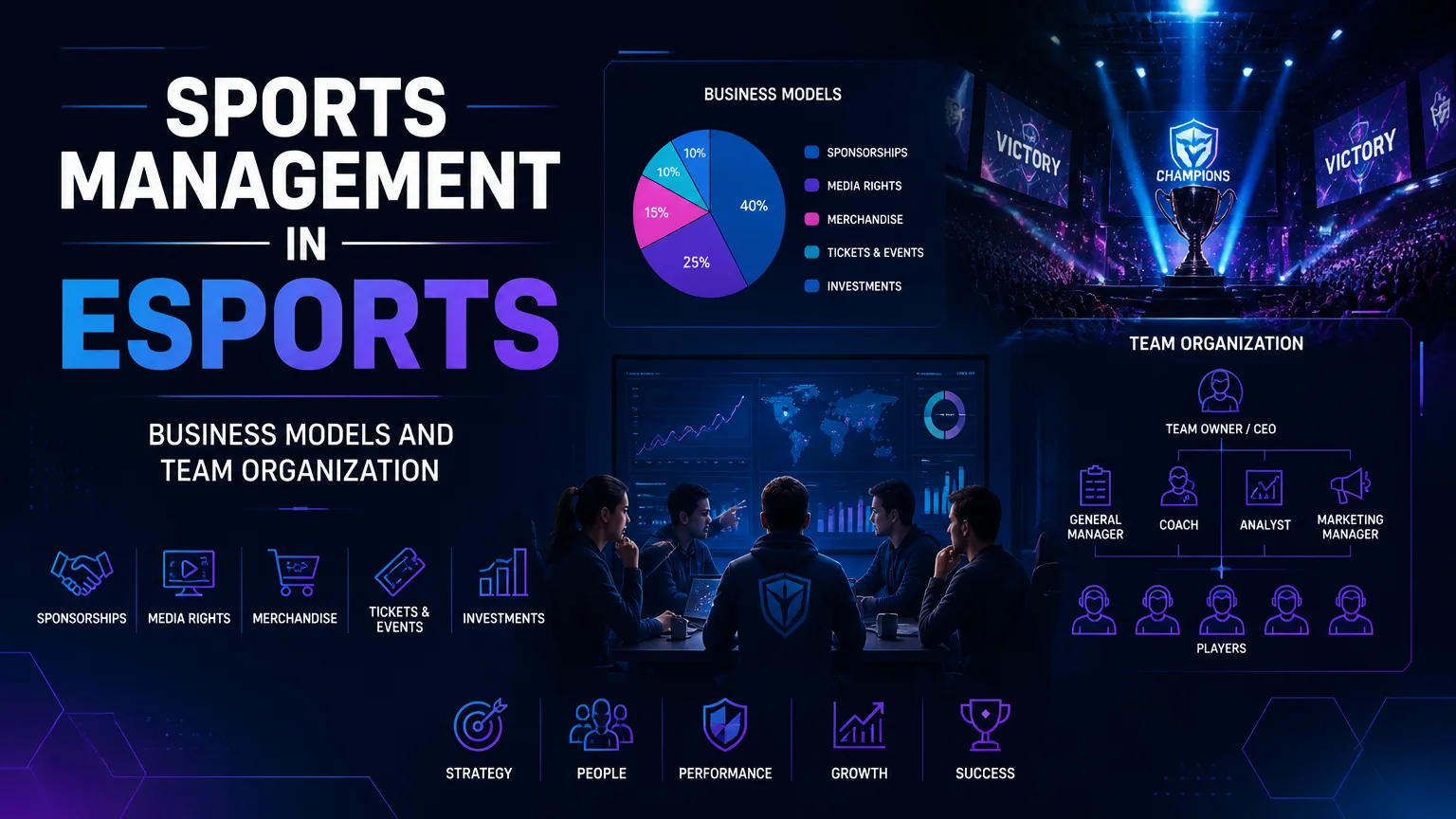
Introduction to sport management and its corporate scope
Manage sports and recreation organizations with planning, budgets, staffing, sponsorships, marketing, and financial metrics to improve profitability and growth.
Watch Video For Onlinecourses55
|
2026-11-12
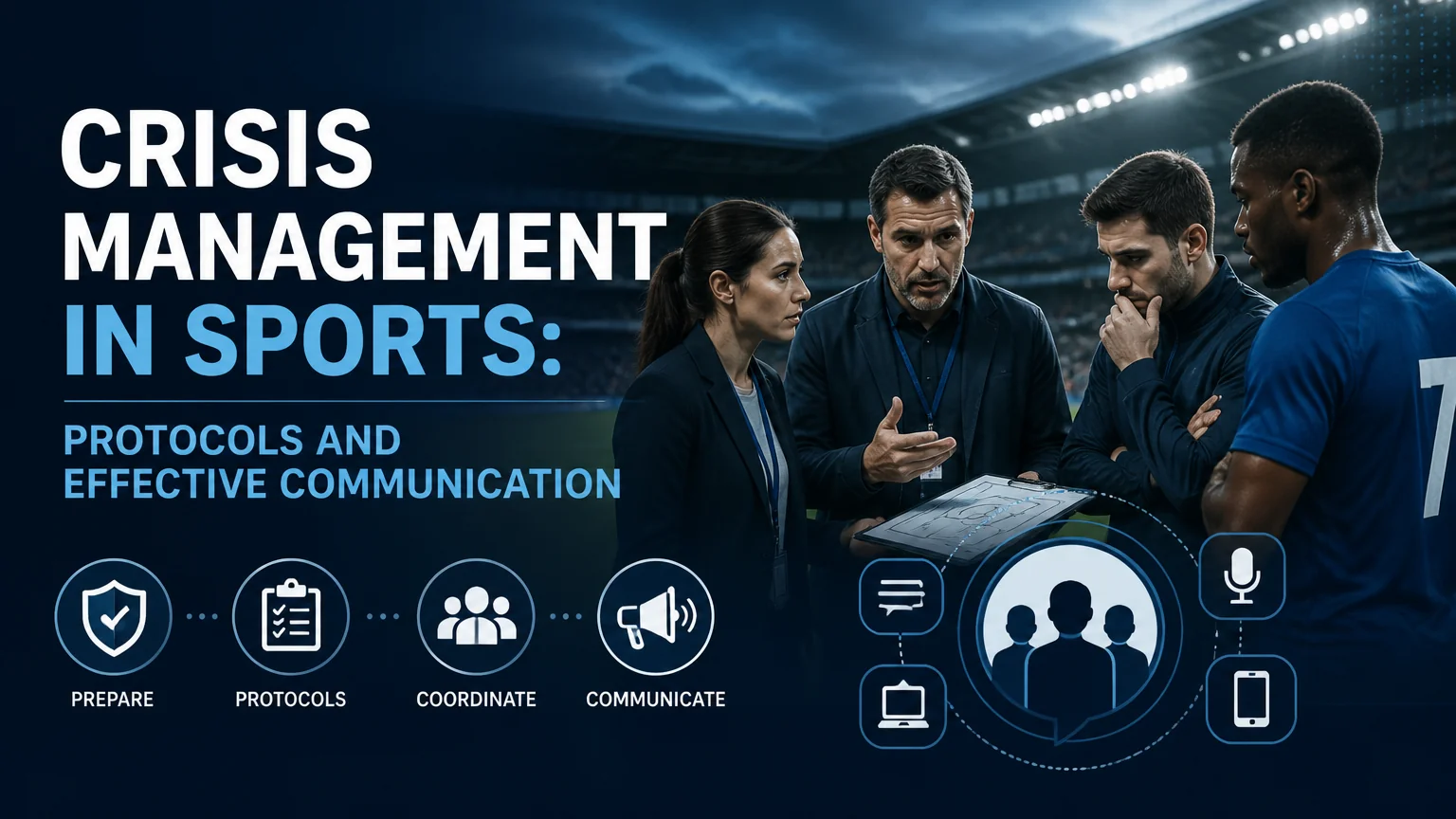
Crisis management in sports: protocols and effective communication
Being prepared for crises is crucial in sports management, and you can learn how to respond effectively through our course on managing sports incidents and communication strategies that ensures resilience in challenging times.
In the sports arena, crises can arise unexpectedly: a serious injury, a disciplinary incident, public accusations, or organizational problems. The ability to react with clear protocols and effective communication makes the difference between management that minimizes damage and management that exacerbates the situation. This text offers a practical and human-centered guide for addressing incidents in sports organizations, teams, and events, with a focus on prevention, immediate response, and post-incident learning.
Before a crisis occurs, it is essential to identify vulnerabilities and assess likely scenarios. Creating a risk map allows for prioritizing resources and designing specific responses. It is important to involve different roles: management, coaching staff, medical personnel, and communications managers. Each perspective provides key insights into which types of incidents are most likely and which would have the greatest impact on athletes, fans, and sponsors.
A well-defined protocol acts as a roadmap in high-pressure situations. It must include specific steps, assignment of responsibilities, and decision-making channels. Procedures should be simple, accessible, and updated regularly. It is recommended to have distinct protocols tailored to the type of crisis: health, disciplinary, security, or reputational.
During a crisis, communication within the organization must be swift, clear, and empathetic. Keeping athletes, coaching staff, and administrative personnel informed helps prevent rumors and lack of coordination. It is crucial to protect the team’s mental health and provide support services. Internal transparency builds trust and facilitates the implementation of agreed-upon measures.
When dealing with public opinion, the communication strategy must balance transparency and prudence. Reporting honestly builds credibility; hiding information or delaying responses often amplifies the crisis. Designating a single spokesperson and preparing key messages helps maintain consistency. Additionally, it is advisable to anticipate difficult questions and prepare clear, empathetic responses.
In many crises, it is essential to coordinate with local authorities, federations, and health services. A protocol should include emergency contacts, referral procedures, and necessary documentation. Maintaining a proactive relationship with these stakeholders facilitates access to resources and legitimizes the actions taken by the organization.
Social media accelerates the spread of information and rumors. Active monitoring and a rapid response can contain harmful narratives. Authorized messages must be defined, standard responses prepared, and trends monitored to detect misinformation. It is never advisable to engage in public confrontations; it is better to correct facts and offer formal channels for further information.
Plans only work if staff know how to implement them. Regular training and drills help identify flaws and improve protocols. Exercises should include not only the technical team but also those responsible for communication and logistics. Evaluating reactions and adjusting procedures reduces the likelihood of errors in real-life situations.
Once the situation is under control, it is essential to conduct a rigorous analysis. Documenting decisions, response times, and outcomes facilitates learning lessons and updating protocols. Involving all stakeholders in the evaluation allows for addressing cultural or structural failures and strengthening institutional resilience. Continuous improvement transforms the experience into a competitive advantage and future protection.
Managing a crisis in the sports environment requires foresight, clear protocols, and human, effective communication. The combination of technical preparedness, empathetic leadership, and transparency allows not only for mitigating immediate damage but also for reinforcing the trust of athletes, fans, and sponsors. Applying these practices contributes to a more resilient organization that is better prepared to face the unexpected.
Do you prefer learning by watching and listening? Expand your knowledge with these free videos related to this topic.
Manage sports and recreation organizations with planning, budgets, staffing, sponsorships, marketing, and financial metrics to improve profitability and growth.
Watch VideoSee how power-sharing or centralization among directors, coaches, and executives in European and US soccer shapes transfers, tactics, and club finances today.
Watch VideoLearn a sports executive’s duties: manage budgets and schedules, coordinate events and teams, secure sponsors, sell tickets, and handle official communications.
Watch VideoSearch
Popular searches