For Onlinecourses55
|
2026-11-03

Is impostor syndrome costing you money? the impact on your salary - syndrome impostor
To stop sabotaging your finances due to feelings of inadequacy, consider a course that will unveil the impact of impostor syndrome on your career and teach you how to combat it effectively.
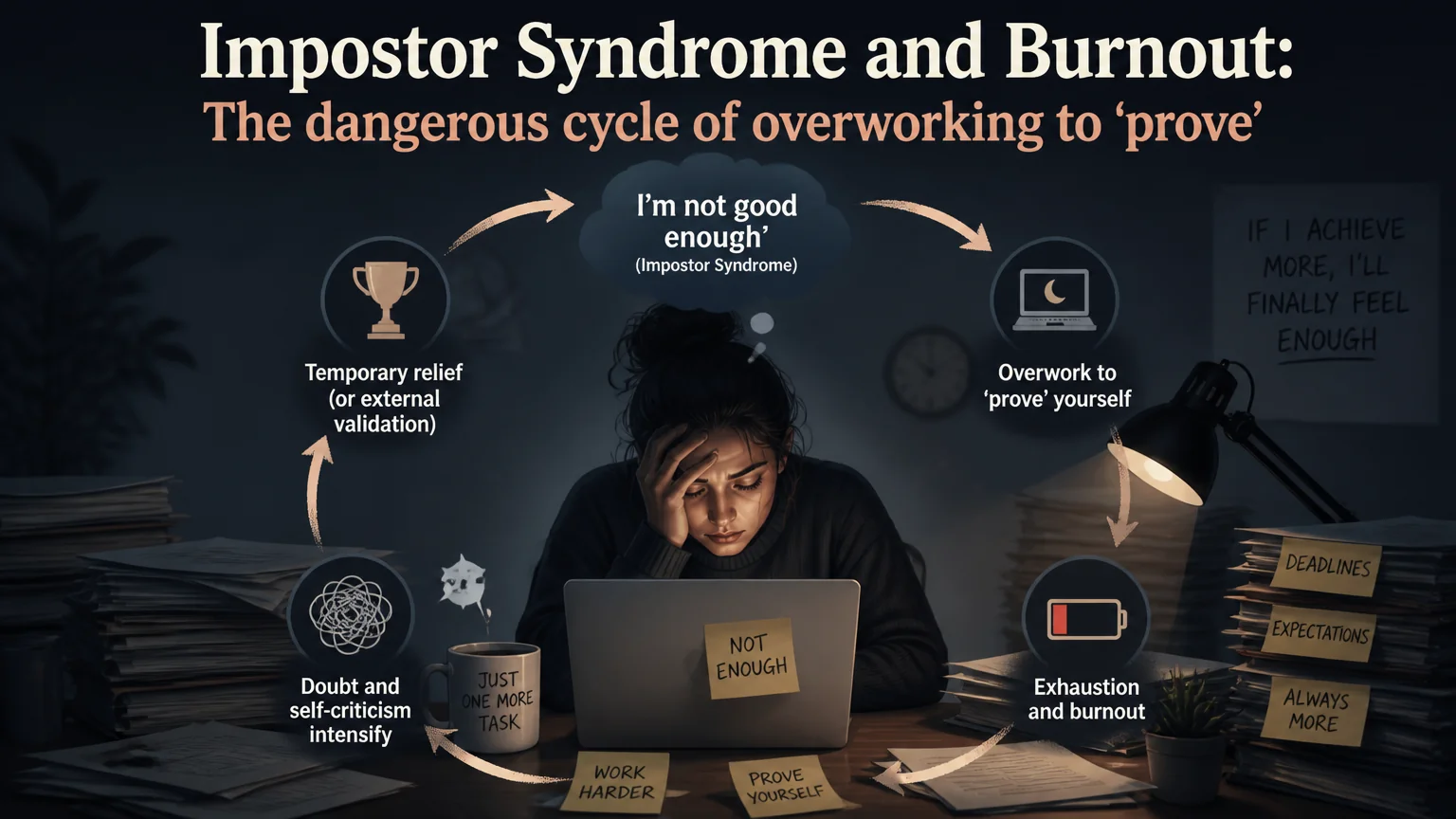
Have you ever felt that you don't deserve the success you've achieved? Are you worried that someone will discover you're a fraud, despite your accomplishments and skills? If so, you may be experiencing impostor syndrome, a psychological phenomenon that affects people from all walks of life, and that, silently, could be sabotaging your finances.
Impostor syndrome is not simply a lack of confidence. It is a persistent belief that you are not as competent as others think you are. This constant doubt can lead you to underestimate your abilities, avoid growth opportunities and, most importantly, not negotiate the salary you truly deserve.
Imagine this situation: you're offered a promotion, but you're worried you won't be up to the challenge. Instead of accepting the opportunity and growing professionally, you turn it down out of fear of failing. Or, during a performance review, your boss offers you a modest raise. Although you know your contributions are worth much more, you feel guilty asking for a larger raise, fearing you might seem greedy or demanding. These are just some ways that impostor syndrome can negatively affect your career and, ultimately, your salary.
The impact of impostor syndrome on your salary is more direct than you might think. It manifests in several ways:
It's crucial to recognize the signs of impostor syndrome in order to address it effectively. Some of the most common signs include:
Fortunately, impostor syndrome is not a life sentence. There are effective strategies to overcome these limiting beliefs and build greater self-confidence, which will allow you to reach your fullest professional and financial potential.
The first step is to identify the negative thoughts that feed your impostor syndrome. Once you identify them, question their validity. Are they really true? Is there evidence to support them? Often, you'll discover that these thoughts are exaggerated or simply false.
Keep a record of your achievements, both big and small. Whenever you reach a goal, write it down and celebrate your success. Make a list of your strengths and skills, and remember situations where you have used them successfully. This will help you build a more realistic and positive image of yourself.
Talk to people you trust, such as mentors, friends or family, about your feelings of insecurity. Sharing your experiences with others can help you realize that you are not alone and gain valuable perspectives. A mentor can provide guidance and support to help you overcome your challenges and reach your goals.
We all make mistakes and experience failure at some point in our lives. Instead of punishing yourself for your mistakes, consider them opportunities to learn and grow. Analyze what went wrong, what you can do differently next time and move forward.
Learn to accept praise and recognize your own value. Do not downplay your achievements or attribute your success to luck. Remember that you deserve the success you've achieved and that you have a lot to offer.
Research average salaries for your position and level of experience in your area. Prepare to argue why you deserve the salary you're asking for, highlighting your achievements, skills and contributions to the company. Practice your negotiation skills with a friend or mentor to feel more comfortable and confident during the conversation.
Search
Popular searches