A Brief Introduction to Allergens and Their Effects
Learn how to identify the causes, symptoms, and treatments of food allergies, plus the precautions and responsibilities food handlers need to prevent risks.
Watch Video For Onlinecourses55
|
2026-11-16
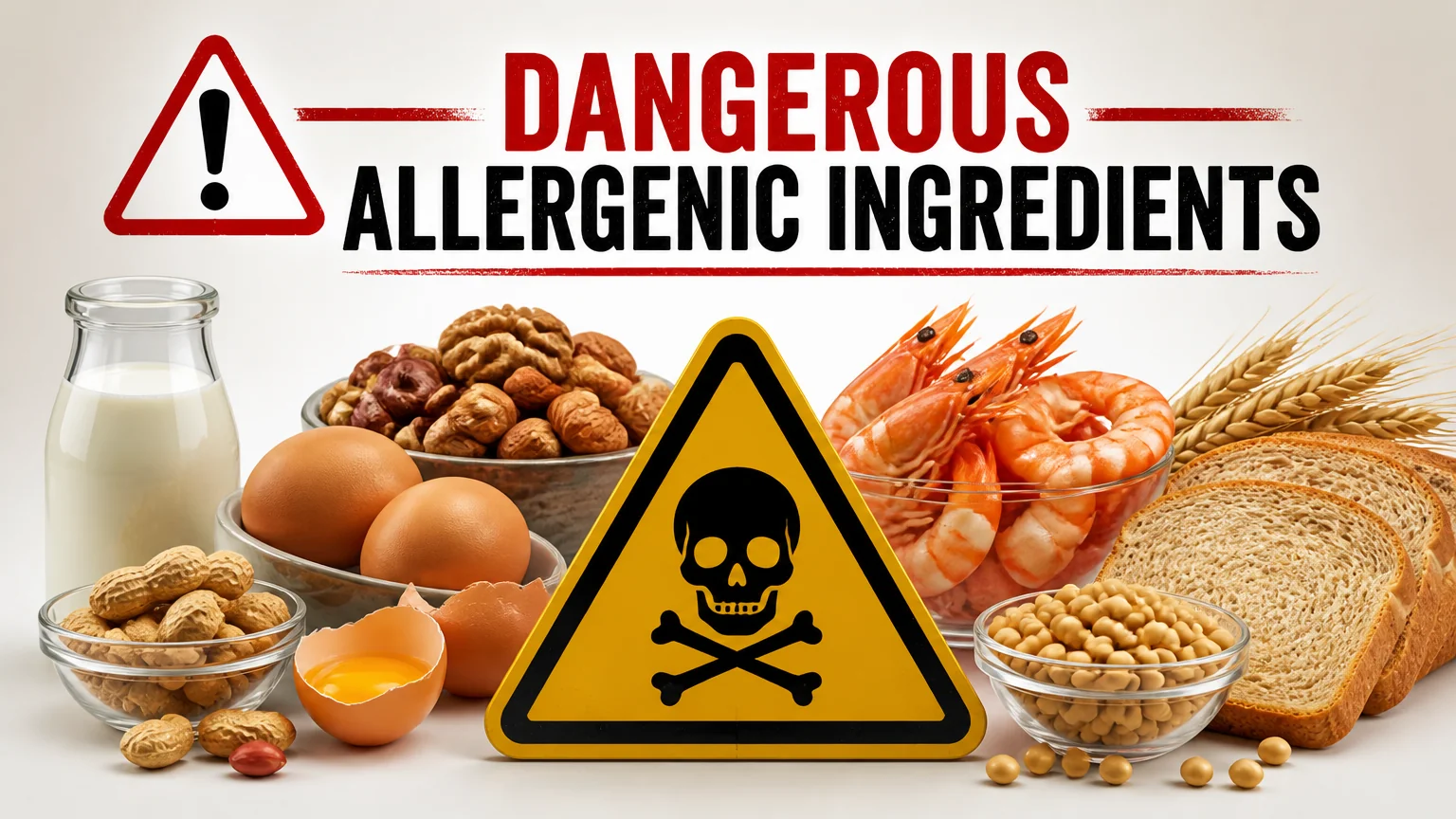
Dangerous allergenic ingredients
Do you know the signs of food allergies? To protect your loved ones, consider taking this informative course on the identification and management of food allergies that is essential for anyone concerned with food safety.
Have you ever eaten something and suddenly felt terrible? Maybe your throat itches, you break out in hives, or you even have difficulty breathing. It could be a food allergy. And it’s not something to take lightly! This article will guide you through the world of dangerous allergic ingredients, so you can protect yourself and your loved ones. Let’s dive in!
Food allergies are exaggerated immune system responses to certain proteins in foods. Imagine your body mistakes a harmless ingredient for a dangerous invader. And that’s when the battle begins!
It is crucial to distinguish between food allergies and intolerances. Allergies involve the immune system and can be life-threatening. Intolerances, on the other hand, generally cause digestive discomfort but do not endanger your life. For example, lactose intolerance causes bloating and gas, while a milk allergy can lead to anaphylaxis.
The symptoms of an allergic reaction vary widely. They may include:
If you experience any of these symptoms after eating, seek medical attention immediately!
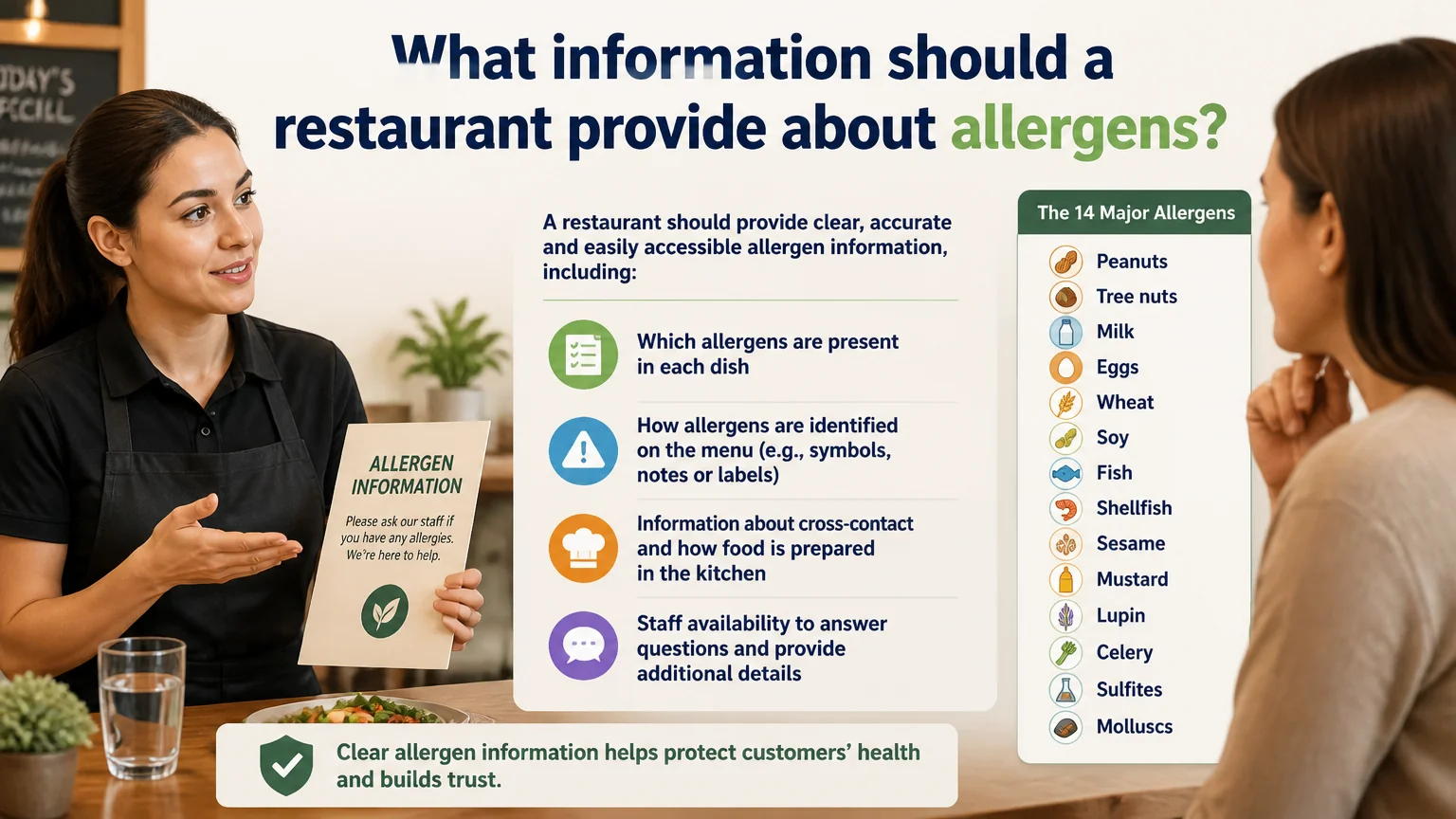
These are the usual suspects. Pay attention to this list!
Milk allergy is common, especially in babies and young children. Fortunately, many outgrow it over time.
Another frequent childhood allergy. It is often found in baked goods, sauces, and dressings.
Peanut allergies can be severe and lifelong. Always check the labels!
Similar to peanut allergies, tree nut allergies can be very dangerous.
Soy is found in many processed foods, from sauces to meat alternatives.
Wheat allergy is not the same as celiac disease. Wheat allergy involves a reaction to wheat proteins.
Fish allergies often develop in adulthood and can be specific to certain types of fish.
Shellfish allergies are common and can include shrimp, crab, lobster, and clams.
Sesame is an emerging allergen that has recently been included in the list of major allergens in some countries. It is important to be aware!
This is where things get complicated. Allergens can hide in unexpected places.
Learning to read food labels is a vital skill! Look for "contains" or "may contain" allergen statements. Pay attention to less obvious ingredients like "sodium caseinate" (milk) or "albumin" (egg).
Cross-contamination occurs when an allergen comes into contact with food that is supposed to be safe. Use separate utensils and cutting surfaces, and wash your hands thoroughly.
Managing food allergies requires a proactive approach.
If you suspect you have a food allergy, consult an allergist. They can perform skin prick tests or blood tests to identify allergens.
The main treatment for food allergies is allergen avoidance. Your doctor may also prescribe antihistamines or an epinephrine auto-injector (EpiPen) for emergencies. Make sure you have an action plan in case of a reaction!
Prevention is key. Educate your friends, family, and co-workers about your allergies. Carry allergy identification cards with you and make sure restaurants are aware of your needs.
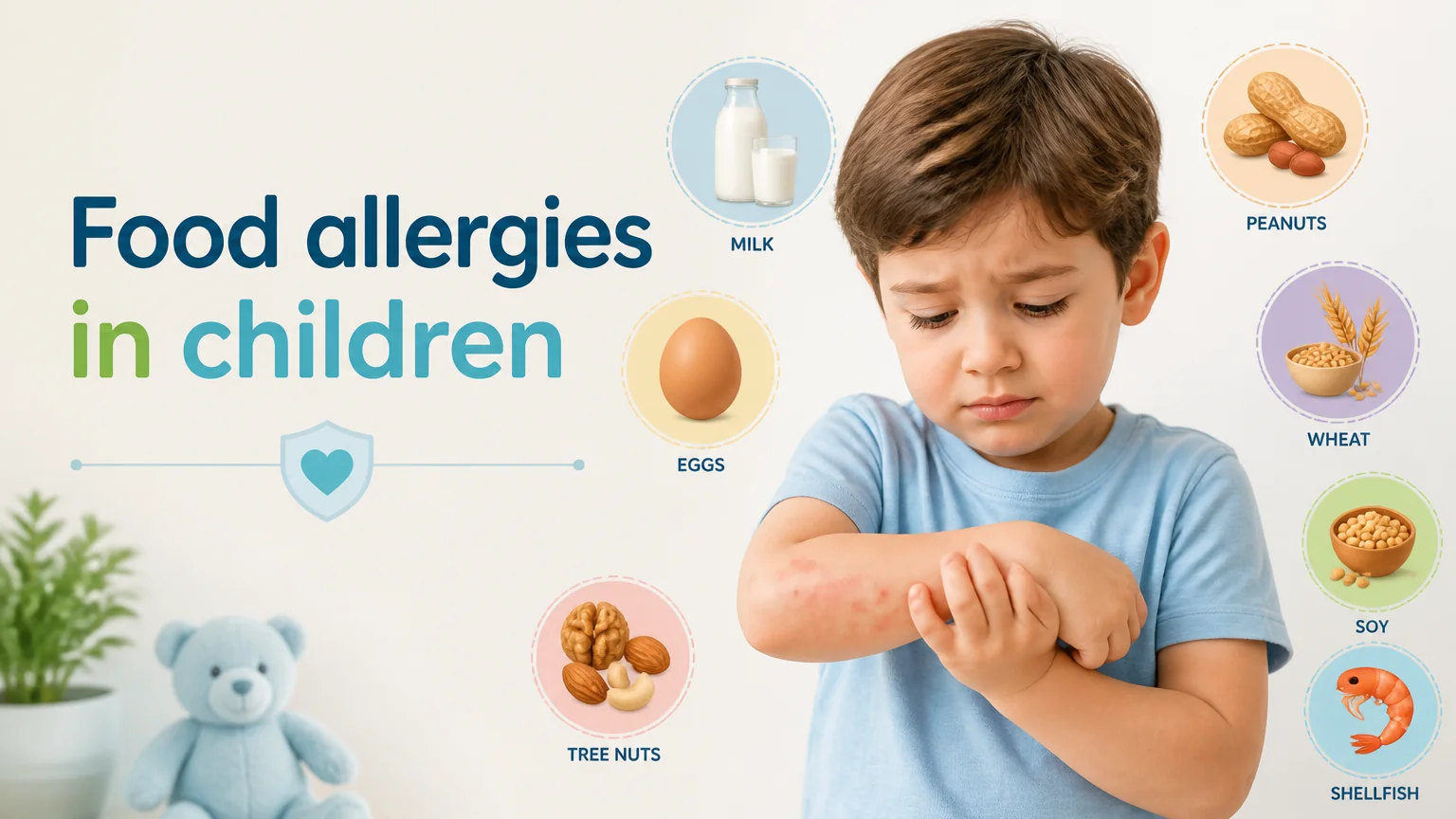
Food allergies in children require special attention.
Some research suggests that the early introduction of allergenic foods, such as peanuts, to babies may help prevent the development of allergies. Consult your pediatrician before making changes to your baby's diet!
Ensure that your child's daycare or school has a plan for managing food allergies. Provide detailed information about allergens, symptoms, and emergency procedures.
Research on food allergies is constantly evolving.
Oral Immunotherapy (OIT) involves gradually exposing an allergic person to small amounts of the allergen to desensitize their immune system. It is a promising option, but still under development!
Scientists are developing new diagnostic techniques that are more accurate and faster than traditional tests. This could lead to early detection and more effective management of food allergies.
Food allergies are a major health issue affecting millions of people worldwide. With knowledge, preparation, and caution, you can live a full and healthy life, even with food allergies. Don't let allergies define you!
What should I do if I have an allergic reaction?
If you have a mild allergic reaction, such as hives or itching, you can take an antihistamine. If the reaction is severe, such as difficulty breathing or swelling of the throat, use your epinephrine auto-injector (EpiPen) and seek immediate medical attention.
How can I tell if a food contains an allergen?
Carefully read food labels. Look for "contains" or "may contain" allergen statements. If you are unsure, contact the manufacturer.
Do food allergies disappear over time?
Some food allergies, such as milk and egg allergies, often disappear over time, especially in children. Other allergies, such as peanut and tree nut allergies, tend to be more persistent.
What is an EpiPen and how is it used?
An EpiPen is an epinephrine auto-injector used to treat severe allergic reactions (anafilaxis). It is injected into the thigh and helps open the airways and raise blood pressure. It is crucial that you learn how to use it correctly.
Where can I find allergen-free recipes?
There are many online resources and cookbooks that offer allergen-free recipes. Look for websites and blogs dedicated to cooking for people with food allergies. You can also consult a dietitian or nutritionist for personalized guidance.
Do you prefer learning by watching and listening? Expand your knowledge with these free videos related to this topic.
Learn how to identify the causes, symptoms, and treatments of food allergies, plus the precautions and responsibilities food handlers need to prevent risks.
Watch VideoExplore toxic and non-toxic food reactions, internal and external causes, and how intolerance differs from allergy, using mushrooms, salmonella, and lactose.
Watch VideoLearn how food allergies develop, including sensitization and reaction phases, exposure routes, skin, respiratory and digestive symptoms, and anaphylaxis risk.
Watch VideoSearch
Popular searches