For Onlinecourses55
|
2026-09-06
For Onlinecourses55
|
2026-09-06

How to talk to your children about sex education based on their age - education sexual parents
Normalize these conversations by understanding foundational principles; elevate your skills with our enriching course on communicating effectively about sexuality with your children for ongoing engagement.
Talking to your children about sexuality is an ongoing process that should be adapted to their age, maturity, and family context. It’s not about a single conversation, but rather frequent, brief talks that normalize the topic and build trust. Open communication reduces doubts, prevents risks, and helps children develop a respectful attitude toward their own bodies and those of others. Below you’ll find practical guidance organized by developmental stages, ideas for answering difficult questions, and strategies for maintaining a dialogue free of taboos and pressure.
Before going into age-specific details, it’s helpful to keep a few basic principles in mind. First, adapt your language to the child’s level of understanding: simple, clear words for younger children; more comprehensive and specific information for teenagers. Second, listen before explaining: often, a child’s question reveals fears or misconceptions that you can correct. Third, be consistent and honest: don’t make up answers; if you don’t know something, say you’ll look up the information together. Fourth, avoid a moralizing tone: encourage respect, autonomy, and responsibility. Finally, use everyday moments (TV shows, the news, situations at school) as opportunities to talk.
At this stage, conversations aren’t complex, but they’re essential for helping your child feel that their body belongs to them and that they can turn to you. Use the correct names for body parts naturally. Respond calmly if they show curiosity or touch their genitals: something like “That’s private—let’s go to bed and read” sets boundaries without punishment. Take advantage of diaper changes or bath time to describe what you’re doing and reinforce the idea of privacy and self-care. Avoid punishing them for exploring; instead, teach them when and where it’s appropriate.
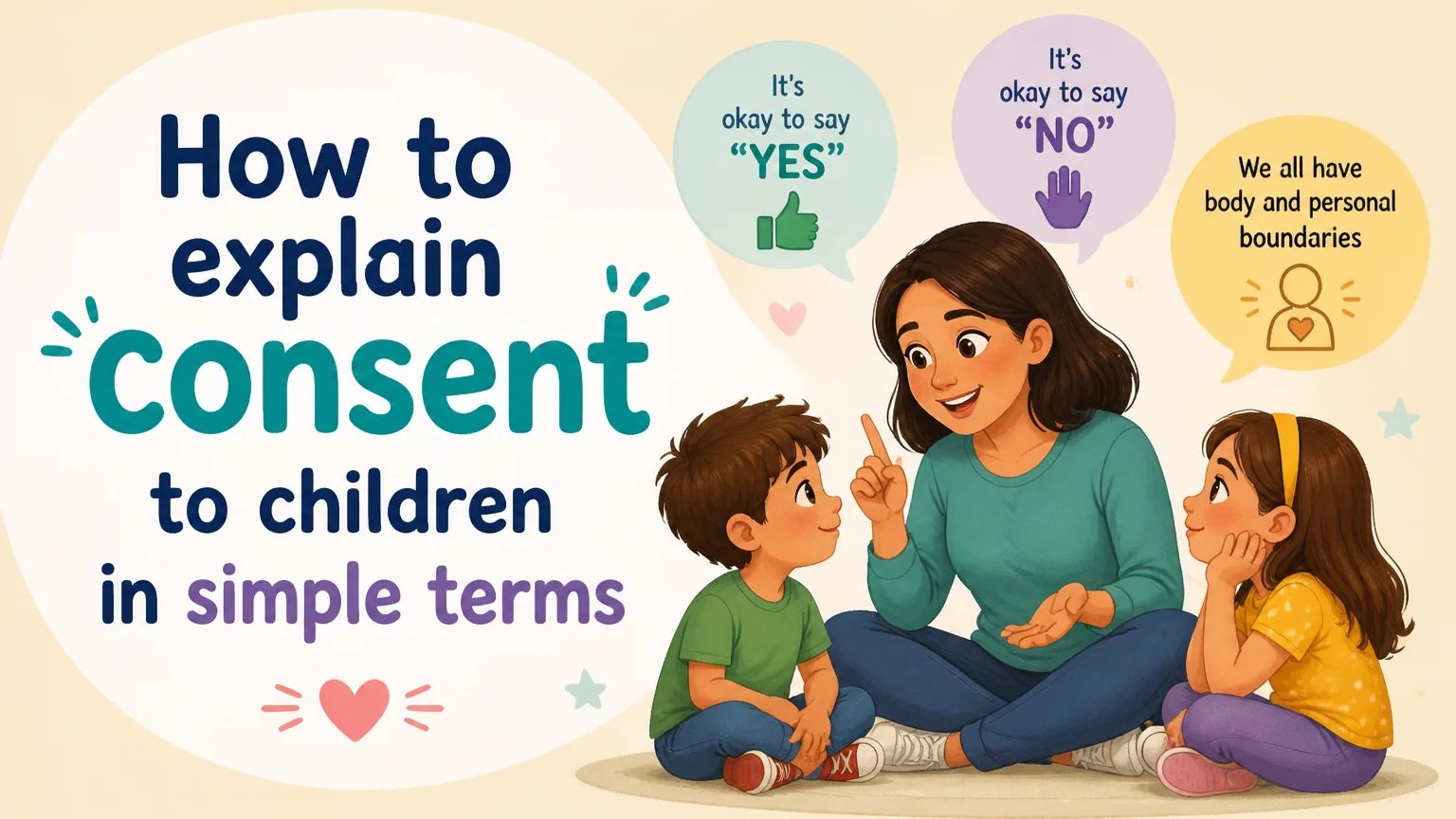
Preschoolers ask direct questions about birth and the differences between boys and girls. Respond with short, concrete phrases: for example, “Babies grow inside moms’ bodies” or “Boys and girls have body parts that are a little different.” If they ask where babies come from, a simple explanation that an egg and a sperm cell join together and grow in the mother’s belly is usually sufficient. Also talk about consent: “No one should touch you if you don’t want them to,” and teach them to say “no” and to find a trusted adult if something makes them feel uncomfortable.
During their school years, children begin to notice physical differences and hear information at school. It’s time to talk about reproduction in a bit more detail, explain that the body changes over time, and prepare them for puberty. Use clear examples about hygiene, how to take care of their bodies, and the importance of privacy when using the bathroom or changing rooms. Introduce the concept of respectful relationships: that friendships and play should be based on mutual respect and that teasing about someone’s body is not acceptable.
Pre-adolescence brings early physical and emotional changes for many children. Be prepared for these natural changes: body hair, sweating, breast development, the first period, and changes in voice pitch. Explain biological processes honestly and without causing alarm, and discuss personal hygiene, available products (such as pads or deodorant), and how to handle embarrassing situations. Introduce topics related to relationships: falling in love, personal boundaries, peer pressure, and the importance of consent. Teach them to recognize intense emotions and to express how they feel without guilt.
In early adolescence, questions often revolve around sexual activity, desire, and romantic relationships. Provide clear information about birth control methods, preventing sexually transmitted infections (STIs), and how they work. Don’t limit yourself to the biological aspects: talk about affection, self-esteem, respect in relationships, and how to identify signs of abuse or manipulation. Encourage critical thinking when it comes to pornography and social media: explain that what they see there doesn’t always reflect healthy relationships. Maintain an open attitude so they’ll turn to you when they have questions or make mistakes.
In late adolescence, young people seek autonomy. Respect their privacy but remain available to guide them through complex decisions: informed consent, effective contraception, medical testing, and how to set boundaries in toxic relationships. Talk about comprehensive sexual health: safe pleasure, communication with a partner, and emotional responsibility. If you think they’re at risk (unwanted pregnancy, STIs, violence), offer concrete support to help them access health services and professional resources. Empower their ability to make decisions through information and guidance, not through orders.
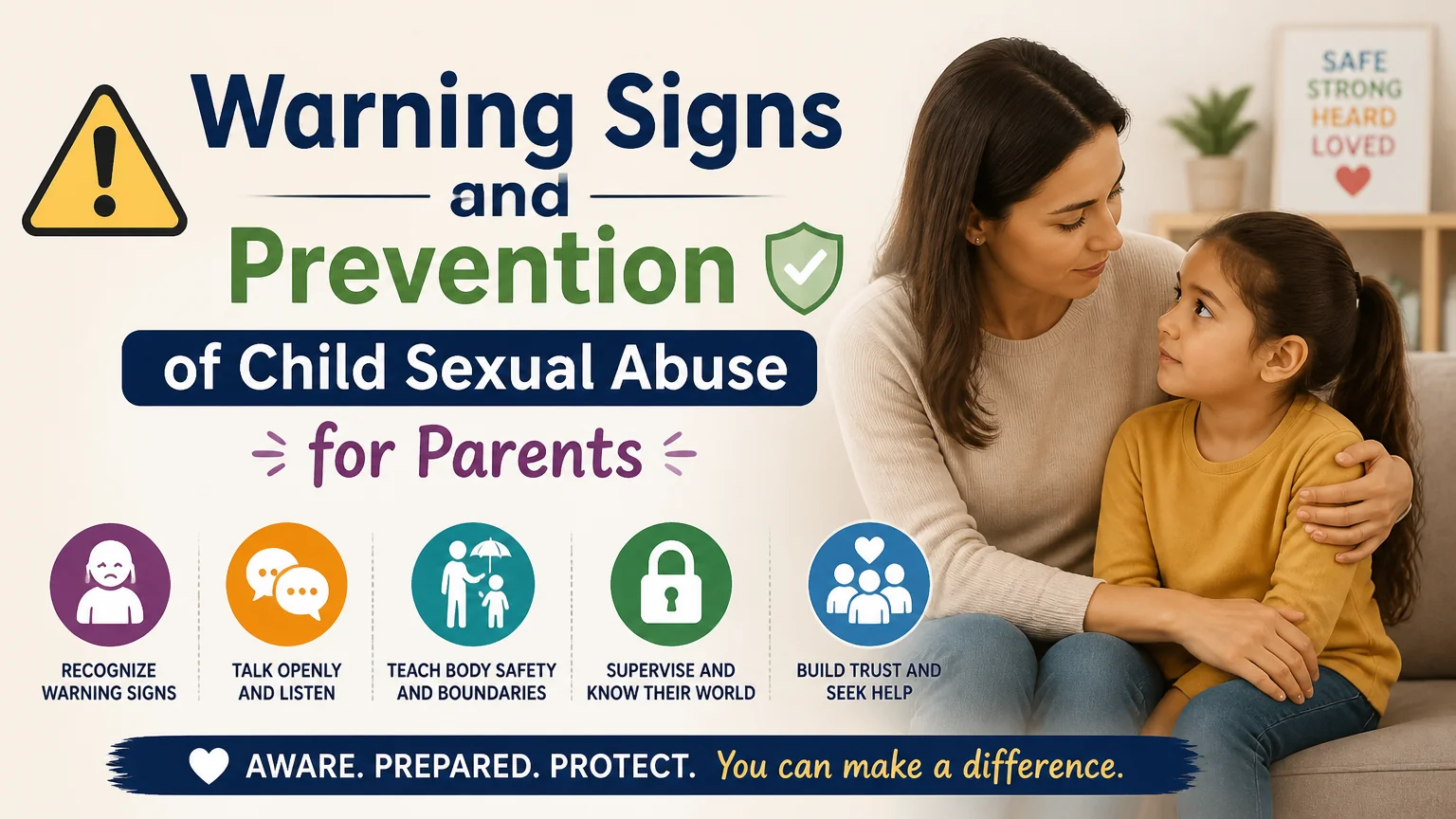
When an uncomfortable question comes up, follow these steps: listen without interrupting, thank them for asking, assess whether an immediate answer is needed, and respond honestly in an age-appropriate way. If the question requires more medical or legal information, offer to look it up together and agree on when you’ll talk again. Avoid evasive answers that make the child feel ashamed for asking. If there are signs of abuse, take action: protect the child and contact professionals or child protection services as appropriate.
Some situations require professional intervention: concerns about gender identity or sexual orientation that cause distress, signs of sexual abuse, inappropriate sexually explicit behavior at a young age, or health issues that require a diagnosis. Seek support from pediatricians, child psychologists, sexual health services, and specialized organizations. Schools may also offer guidance and workshops for parents and students. Remember that asking for help is a responsible thing to do and shows your children that their well-being is a priority.
Talking about sexuality in an age-appropriate way involves anticipating changes, responding clearly, and building a climate of trust. Conversations should be ongoing, age-appropriate, and free of judgment. If you feel unsure, look for reliable resources and professionals who can support you. The most important thing is for the child or teen to know that they can come to you, that their questions will be addressed, and that their body and emotions are worthy of respect. That sense of security is the best form of prevention and the foundation for healthy relationships in their future.
Search
Popular searches