For Onlinecourses55
|
2026-09-06
For Onlinecourses55
|
2026-09-06

Sex education at home: tips for busy parents - education sexual parents
Making the most out of everyday situations can enhance learning; start with our practical course on integrating sexual education into daily family life for lasting impact.
Sex education isn’t just about talking about anatomy or sex; it’s about providing tools so that children and teens can understand their bodies, set healthy boundaries, recognize risky situations, and build respectful relationships. As a busy parent, this may seem like a daunting task, but every brief, age-appropriate conversation counts. Home is the first place where children learn values, language, and trust; making the most of this environment reduces uncertainty, dispels myths, and helps children seek support when they need it.
You don’t need long, formal talks. What matters is frequency and naturalness. These strategies let you incorporate sex education without disrupting your daily routine:
Use everyday moments: bath time, getting dressed, watching a show, or walking to school are all opportunities to talk about the body, respect, and curiosity.
Give brief, honest answers: If a question catches you off guard, answer clearly and simply, and offer to look up information together if needed.
Normalize the vocabulary: Use the correct names for body parts from an early age to reduce embarrassment and confusion.
Plan short “micro-conversations”: 2–5 minutes, once a week, can make a big difference over time.
For example, during dinner you can discuss the physical changes that occur during puberty, or while watching a show, explain why consent is important in relationships. Making these moments a regular part of your routine reduces tension and shows that the topic is natural.
If a child asks a difficult question, you can say, “Good question; I’ll explain it to you in simple terms,” and give a direct, age-appropriate answer. Avoid long stories that might confuse them, and don’t make up facts; if you don’t know something, suggest looking it up together.
Adapting the content to their stage of development helps ensure the information is useful and understandable.
At this stage, focus on respecting the body and using the right words. Teach them that some body parts are private, that no one should touch them without permission, and that they can always turn to a trusted adult if something makes them feel uncomfortable.
Introduce basic concepts about reproduction, simple bodily changes, and more details about privacy. Talk about emotions and friendships, and reinforce the use of correct terms to avoid euphemisms that can cause confusion.
Explain puberty in greater detail: physical changes, hygiene, self-esteem, and peer pressure. Address topics such as menstrual hygiene, ejaculation, the concept of consent, and reliable resources for questions.
At this stage, it’s important to discuss sexuality comprehensively: birth control methods, STI prevention, explicit consent, sexual orientation, and gender identity. Encourage open conversations about healthy relationships, communication, and emotional responsibility.
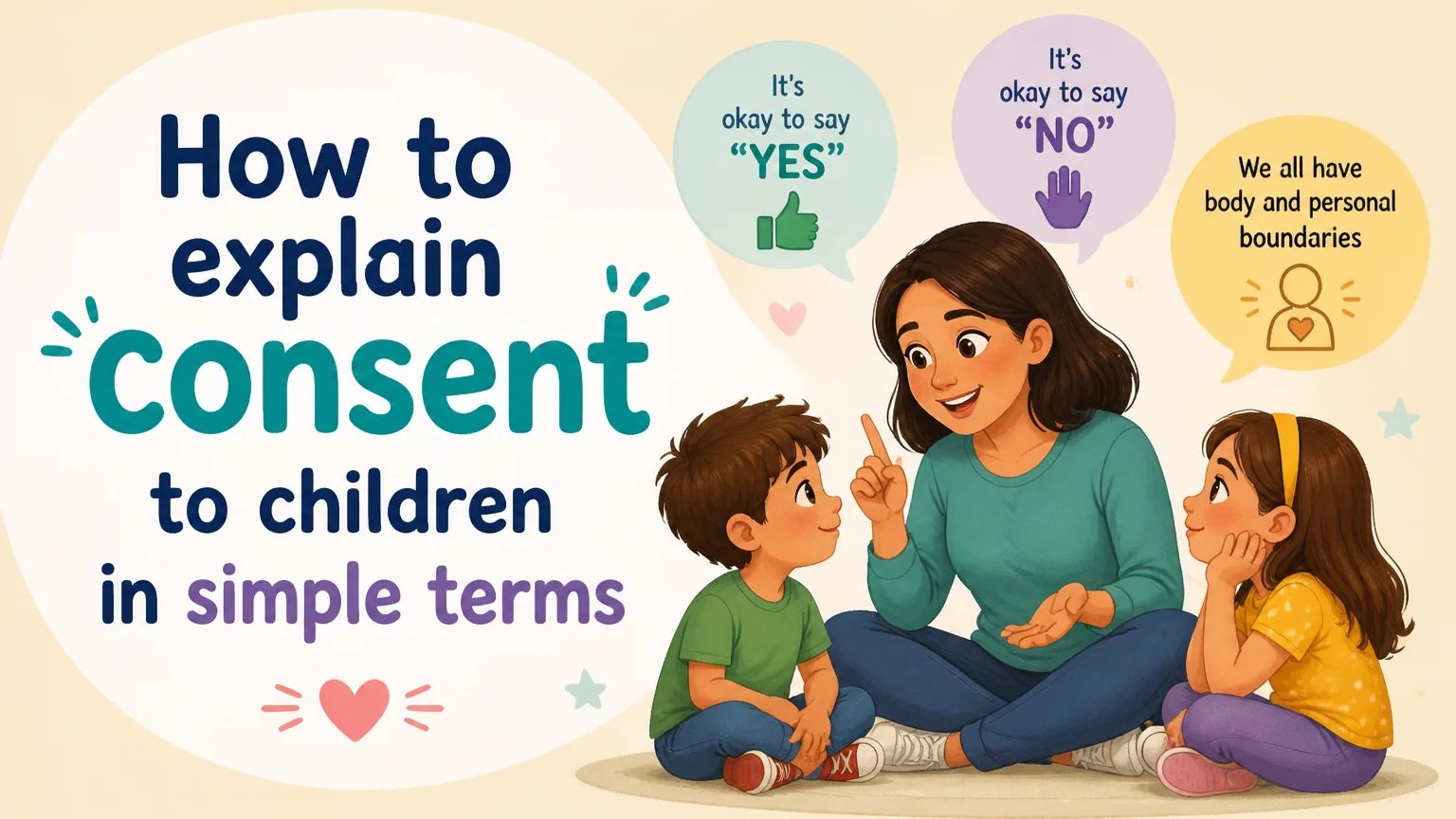
This is one of the most important lessons you can teach. Consent means asking for permission and respecting “no.” Teaching your children to recognize and set boundaries protects them and gives them the tools to respect others.
Practice with examples: “If someone wants to hug you and you don’t want to, it’s okay to say no.”
Talk about consent in all contexts: games, hugs, sharing photos, and romantic relationships.
Reinforce that a “no” is always respected and that a “yes” must be given freely and enthusiastically.
You don’t have to do it all on your own. Take advantage of tools that save time and offer reliable content:
Age-appropriate books: Choose 2–3 titles per age group to read together or recommend.
Educational apps and videos: short, highly rated ones that explain bodily changes or healthy relationships.
Pediatrician or school nurse: They can answer medical questions or recommend resources.
Occasional talks: If the school offers workshops, try to attend or review what they teach so you’re on the same page.
It’s normal to feel uncomfortable. The important thing is not to avoid the topic or laugh off the question. Common mistakes include giving too much age-inappropriate information, denying that curiosity exists, or punishing children for asking questions. Instead, acknowledge their curiosity and provide age-appropriate information.
If you blush, take a breath and respond calmly; admitting that you feel uncomfortable also teaches honesty.
Avoid long lectures; listen first and respond based on the child or teen’s intent.
Make sure those who care for your children (grandparents, babysitters, teachers) share your core values regarding privacy and boundaries. Share phrases you find helpful and agree on which topics you prefer to address at home. Maintaining open communication prevents mixed messages.
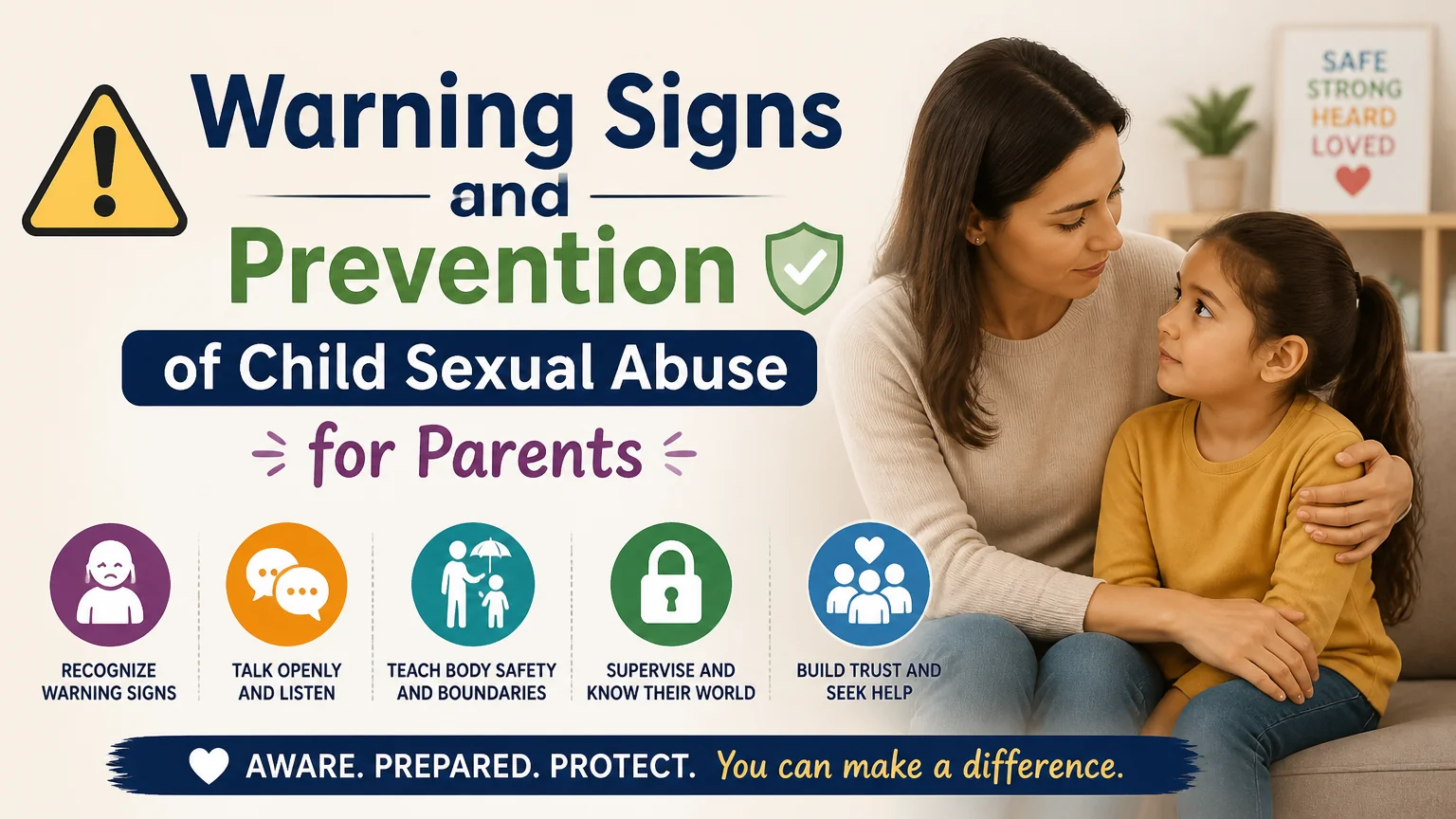
Consider seeking professional help if you notice:
Sudden changes in behavior, anxiety, or withdrawal related to sexual topics.
Questions that reveal abuse or experiences that are too much for them to handle emotionally.
Medical concerns about puberty, painful menstruation, injuries, or infections.
If you want to start with simple steps this week, try these quick actions:
Spend 5 minutes a day asking your child how they feel about their friends or their body.
Read a short story that addresses respect and boundaries, and discuss one idea afterward.
When a news story or scene comes on TV, use the opportunity to talk about consent or respect in that context.
Schedule a brief appointment with your pediatrician to ask for recommended resources or talk about puberty.
Sex education at home doesn’t require long sessions; it requires consistency, clear language, and a willingness to listen. For busy parents, the key is to turn small interactions into ongoing lessons: use everyday moments, answer honestly, tailor the information to their age, and ask for help when needed. With this approach, you’ll create an environment where your children feel safe, informed, and capable of making respectful and responsible decisions.
Search
Popular searches