The Intersection Between Psychology and Marketing Today
Discover how to use commercial psychology ethically, understand customer motives, connect emotionally, and make transparent decisions that build trust.
Watch Video For Onlinecourses55
|
2026-11-20

The hook model: how to build products that create lasting habits
Grasping the Hook model can transform how you engage users. To learn how to effectively build habits that resonate, I recommend signing up for the comprehensive course on user behavior and engagement to enhance your product design.
The Hook model is a product design framework that explains how to create experiences that become part of people's routines. The core idea is simple: if a product solves a real need and makes it easy, rewarding and valuable to use again, over time it becomes a habit. That habit is gold for any business: it multiplies retention, lowers acquisition cost and creates a virtuous cycle of organic growth. But it doesn't happen by accident; it is designed. The model proposes a four-step cycle that, when repeated, strengthens the habit and creates cumulative value for the user and for the company.
A trigger is the signal that starts the behavior. It can be external, like a notification, an email or a calendar reminder. Or it can be internal, like an emotion, a worry or an expectation. The best products learn to address internal triggers because they are always present, they don't depend on marketing and they appear when the user really needs the solution.
The action is what we want the person to do in that moment: open the app, swipe, search, save, share, complete a step. For it to occur, three elements must align: motivation, ability and a clear cue. If the action doesn't happen, usually there's friction to remove or a promise to make more explicit.
Rewards work better when they include variability: not always the same, not always identical. That keeps interest and reinforces learning. There are three common categories: the tribe reward (social), the hunt reward (content or resources) and the self reward (progress, mastery, sense of achievement). The key is that the reward is aligned with the need that triggered the action, not that it is a distraction.
Investment is the step where the person leaves something of value in the system: data, preferences, contacts, content, money or time. That investment personalizes and improves the future experience, reduces the friction of the next action and, above all, increases the switching cost. Good design suggests small, frequent investments, right after the reward, when motivation is high.
Think of a language learning app. Trigger: a notification at the chosen time. Action: a 3-minute lesson with a large start button. Variable reward: new exercises, points, streaks and community messages. Investment: choose weekly goals, follow friends, personalize the plan. The result is a short, satisfying routine that is increasingly adapted to the user.
Another case: a collaborative work tool. Trigger: a mention or assignment. Action: open the thread and reply. Variable reward: resolve blockers, see the project move forward, receive reactions. Investment: document decisions, upload files, tag tasks. Each contribution improves the value of the system for everyone and nudges the next interaction.
Start with the real need you want to solve and the context in which it appears. What does the person feel just before? Where are they? What is holding them back? Mapping the moment is more important than listing features. The goal is to design to reduce the gap between the internal trigger and the useful action.
Don't test the entire experience at once. Test the first click, the initial screen, the first result and the first investment gesture. Use low-fidelity prototypes to detect friction and high-fidelity ones to validate emotion. Look for signals of desire: people who return without external incentive, who complete cycles spontaneously and who invite others.
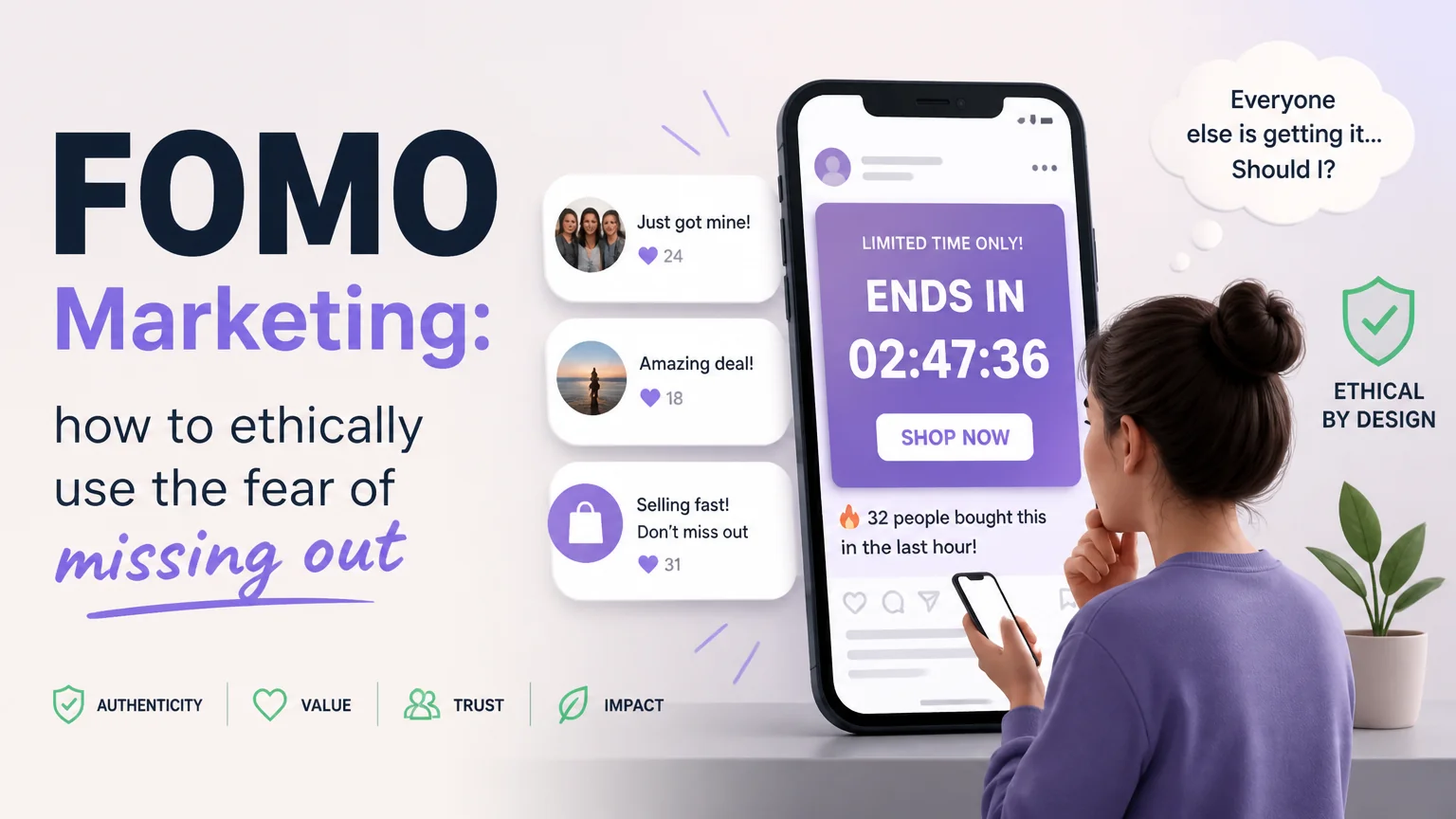
Creating habits does not mean manipulating. Responsible design starts from a clear and measurable benefit for the person, offers controls and limits, and respects the user's attention. Always ask yourself whether people would appreciate the habit in six months. Avoid cycles that rely on anxiety or FOMO, and prioritize rewards that reinforce autonomy, competence and relationships with others in a positive way.
In practice, think of the first month as a sequence of small milestones: the first win, the first personalization, the first social interaction and the first streak. Design each milestone as a mini Hook with its trigger, action, reward and investment. Chain them so that progress is visible and meaningful. If people keep returning after removing external notifications, you're on the right track.
The Hook model is not a magic recipe, but a way to focus the experience so that it solves real needs with the least friction and the greatest sense. Start by identifying the emotion or context that activates use, simplify the action, ensure the reward keeps curiosity alive without resorting to gimmicks and ask for small investments that improve the next session. Repeat the cycle, measure, learn and adjust. Over time, you'll see how the habit forms not only because the product pushes it, but because it's beneficial to the user and they choose it.
Do you prefer learning by watching and listening? Expand your knowledge with these free videos related to this topic.
Discover how to use commercial psychology ethically, understand customer motives, connect emotionally, and make transparent decisions that build trust.
Watch VideoYou will identify the five levels of the needs pyramid, how products meet functional and emotional needs, and why consumer priorities change with life context.
Watch VideoDiscover how emotions outweigh logic in shopping, why consumers seek reasons to justify impulses, and how experience and presentation shape perceived value.
Watch VideoSearch
Popular searches