Transformations and Symptoms During the First Trimester
Learn how first-trimester hormonal changes, nausea, fatigue, sensitivity, and smell aversions can lower libido, plus ways couples can preserve intimacy.
Watch Video For Onlinecourses55
|
2026-11-20

How to rebuild intimacy in your relationship after baby's birth
It's common for romantic closeness to change after a baby arrives. Explore ways to reconnect with your partner through our course on enhancing emotional communication and intimacy post-baby for stronger bonds.
The arrival of a child disrupts routines, sleep, and priorities. It’s normal for romantic closeness to diminish because time and energy are focused on the baby’s needs. In addition to physical exhaustion, complex emotions arise: joy, anxiety, frustration, and sometimes guilt for not feeling the same as before. Recognizing these changes is the first step toward responding with calm and empathy.
Talking honestly about how each of you feels prevents misunderstandings and resentment. It’s not just about conversations regarding household chores, but about creating space to share fears, expectations, and desires. A respectful dialogue allows you to reconnect and understand how to best support one another.
Not everything has to happen right away, nor does it have to return to “normal” all at once. Intimacy can be rebuilt in small steps: knowing glances, long hugs, holding hands while the baby sleeps. These everyday gestures help restore closeness without pressure and show affection in concrete ways.
Physical exhaustion is one of the biggest enemies of intimacy. Dividing baby care and household chores equally reduces stress and frees up time and energy for the couple. Periodically reviewing who does what and being flexible based on needs prevents resentment from building up.
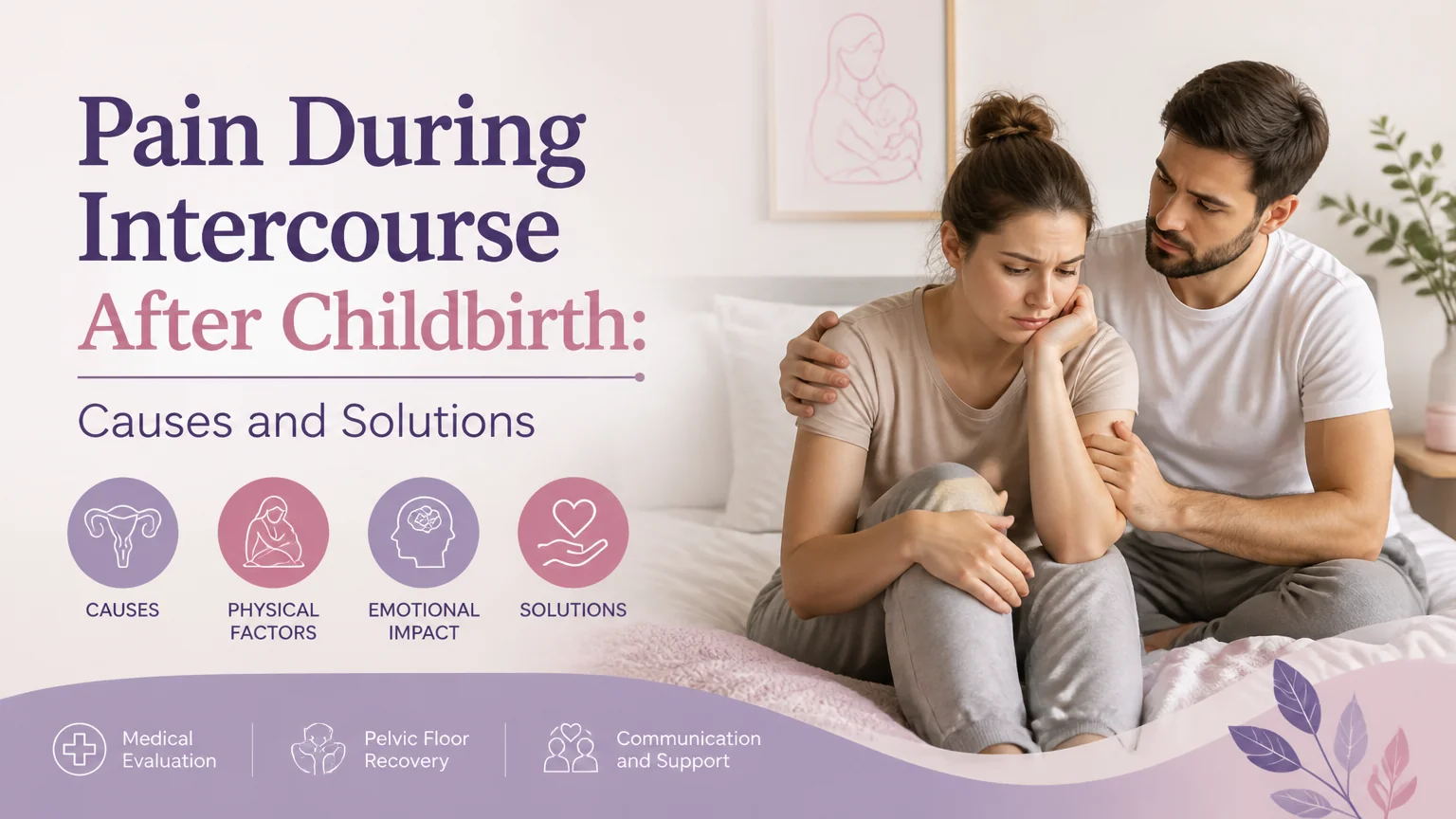
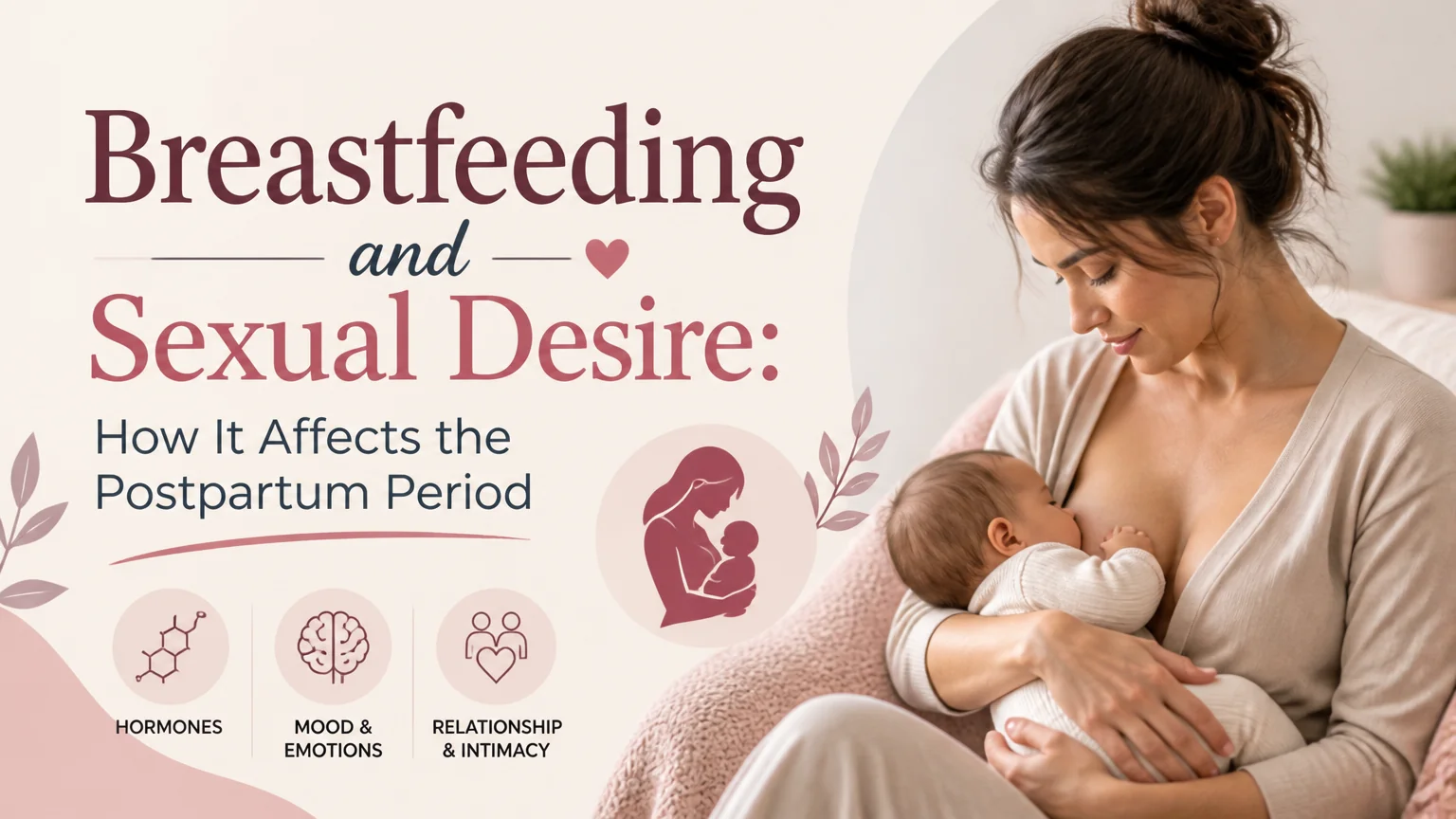
Sexual intimacy may take time to recover. Hormonal changes, postpartum pain, and fatigue can affect desire. It’s important to accept that sex drive fluctuates and to explore forms of intimacy that don’t necessarily involve full sexual intercourse. Caresses, kisses, and playful interactions help maintain your physical connection.
Asking for or accepting help is not a sign of failure. Family members, friends, or professionals can lighten the load during difficult times. Having support allows the couple to have time for themselves and strengthen their relationship. Additionally, parenting groups or couples therapy offer tools to manage the transition.
Comparing yourselves to other couples or to ideals of perfection only adds pressure. Rebuilding intimacy is a process that varies from family to family and can take weeks or months. Being patient and celebrating small steps makes the journey easier. Consistency in small gestures goes a long way—more so than sporadic grand gestures.
Simple gestures show care and maintain a sense of connection. Making a cup of coffee, sending a loving text in the morning, or praising your partner’s efforts help create a positive emotional atmosphere. These little things show that you value your partner and nurture the relationship in everyday life.
If there are persistent conflicts, feelings of deep rejection, anxiety, or postpartum depression, it’s important to seek professional help. Early intervention improves communication and mental health for both partners. A professional can offer concrete strategies to restore intimacy and provide guidance on realistic expectations.
Regaining closeness after having a child isn’t an immediate return to the past, but rather a rebuilding process that incorporates your new reality. With communication, patience, and mutual support, you can create new forms of intimacy that, over time, may become even deeper and more sincere. The key is not to expect instant results and to work together to meet both the baby’s needs and those of the couple.
Do you prefer learning by watching and listening? Expand your knowledge with these free videos related to this topic.
Learn how first-trimester hormonal changes, nausea, fatigue, sensitivity, and smell aversions can lower libido, plus ways couples can preserve intimacy.
Watch VideoLearn why many women regain energy in the second trimester, as estrogen boosts pelvic blood flow and lubrication, enhancing sexual sensitivity and pleasure.
Watch VideoLearn third-trimester intimacy: safe positions to avoid abdominal pressure and circulation issues, cervical precautions, and ways to support a tired mother.
Watch VideoSearch
Popular searches