For Onlinecourses55
|
2026-09-06
For Onlinecourses55
|
2026-09-06

Geriatric supplementation - nutrition geriatrics
If you want to learn about how supplements can enhance the health of older adults, our enriching course in geriatric nutrition dives into safe consumption and their importance.
Hello everyone! Have you ever wondered how to maintain vitality and energy as we age? The answer might lie in geriatric supplementation. In this article, we are going to dive into the world of supplements for older adults, exploring what they are, why they are important, and how to choose them safely and effectively. Get ready to discover the secrets to a healthier and more active life in your senior years!
Geriatric supplementation refers to the use of dietary supplements in older people to complement their diet and address potential nutritional deficiencies. As we age, our bodies change and may require additional nutrients to function optimally.
Adequate nutrition is fundamental at all stages of life, but it becomes even more crucial in senior years. Why? Because older adults are more prone to suffering from nutritional deficiencies due to factors such as:
In addition to the factors mentioned above, there are other challenges that can complicate the nutrition of older adults:
Now that we understand the importance of nutrition in senior years and the challenges older adults face, let's look at some key supplements that can make a difference.
Vitamin D is essential for bone health, immune function, and cardiovascular health. Many older adults are deficient in vitamin D due to less sun exposure and a decreased capacity of the skin to produce vitamin D. A vitamin D supplement can help keep bones strong and reduce the risk of falls. Imagine it as bottling a bit of sunshine for the gray days.
Calcium is another crucial nutrient for bone health. As we age, our bones become thinner and more fragile, increasing the risk of fractures. A calcium supplement, combined with vitamin D, can help prevent osteoporosis and keep bones strong.
Vitamin B12 is essential for nerve function, red blood cell production, and energy. Vitamin B12 deficiency is common in older adults, especially those who take certain medications or have absorption problems. A Vitamin B12 supplement can help improve energy, memory, and brain function.
Omega-3 fatty acids, found in fatty fish, are beneficial for cardiovascular health, brain function, and joint health. If you don't consume enough fish, an omega-3 supplement can be a good option. Think of them as little warriors protecting your heart and brain.
Magnesium participates in hundreds of biochemical reactions in the body, including muscle function, nerve function, blood sugar control, and blood pressure regulation. Many older adults do not consume enough magnesium in their diet. Supplementation can be beneficial, but it is important to consult with a doctor, as high doses can interact with certain medications.
In addition to the supplements mentioned, others sometimes recommended include:
Choosing the right supplements can be overwhelming, given the large number of products available on the market. Here are some tips for making informed decisions:
Before starting to take any supplement, it is essential to consult with a doctor or a registered dietitian. They can assess your individual needs and recommend the most appropriate supplements for you. They may even request blood tests to detect specific deficiencies.
It is important to read supplement labels carefully to understand what they contain, the recommended dosage, and possible warnings. Look for products that have been tested by third parties to guarantee their quality and purity.
Some supplements may interact with medications you are taking. It is important to inform your doctor about all the supplements you are taking to avoid negative interactions.
Here are some additional tips for safe and effective supplementation:
Always follow the recommended dosages on the supplement label, unless your doctor instructs you otherwise. Do not take more than the recommended dose, as this can be harmful. Some supplements may have side effects, so be alert to any changes in your health.
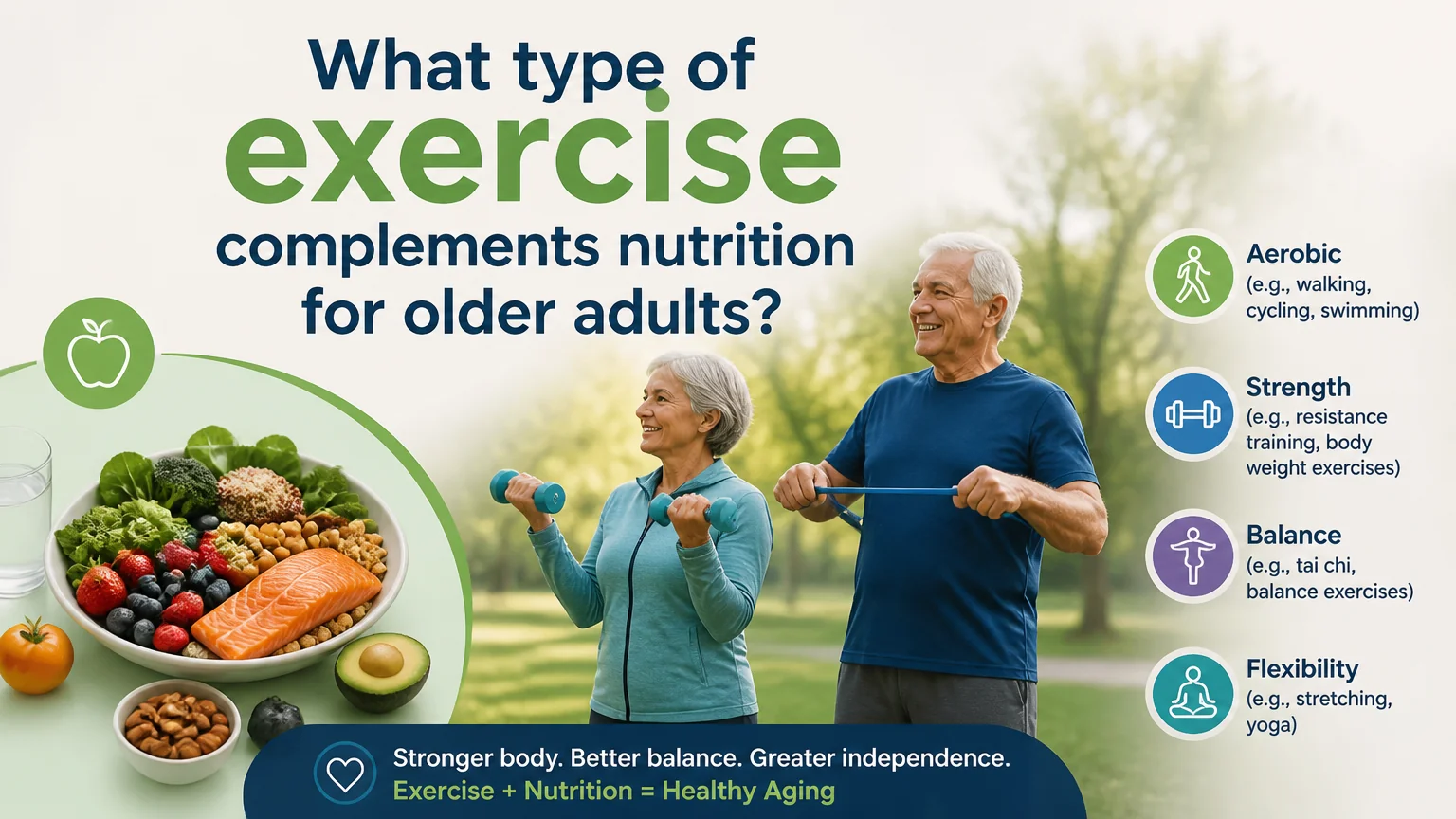
Remember that supplements are only a complement to a healthy diet and an active lifestyle. They cannot replace a balanced diet, regular exercise, and adequate sleep. Imagine supplements as a boost, not the main course!
Geriatric supplementation can be a valuable tool for improving the health and well-being of older adults. By choosing the right supplements and using them safely and effectively, they can help address nutritional deficiencies, maintain vitality, and enjoy an active and healthy life in their senior years. Don't be afraid to explore the options and find what works best for you! The journey to better health is possible at any age!
1. Do all older adults need to take supplements? Not necessarily. The need for supplements varies depending on the person and their health status. It is important to consult with a doctor to determine if supplementation is necessary.
2. Can I get all the nutrients I need solely through diet? In theory, yes. However, in practice, many older adults have difficulty obtaining all the nutrients they need solely through diet due to factors such as decreased appetite, absorption problems, and medical conditions.
3. Are supplements safe? In general, supplements are safe when taken as directed. However, it is important to choose quality products and consult with a doctor to avoid interactions with medications and other health problems.
4. When should I start taking supplements? There is no specific age to start taking supplements. The decision to take supplements should be based on individual needs and a doctor's advice.
5. Where can I find good quality supplements? Look for supplements from recognized and trusted brands. Choose products that have been tested by third parties to ensure their quality and purity. Pharmacies, natural health stores, and some supermarkets usually offer a good selection.
Search
Popular searches