The Current Crisis of Parental Authority in the Family
Reclaim parental authority and restore a healthy family hierarchy to resolve conflict, stop children taking charge, and bring balance and respect back home.
Watch Video For Onlinecourses55
|
2026-11-18

How to prepare children to deal with family conflicts
Equip your family with the tools necessary to handle disputes gracefully and effectively; enroll in a specialized course on understanding and resolving family tensions to enhance collective communication.
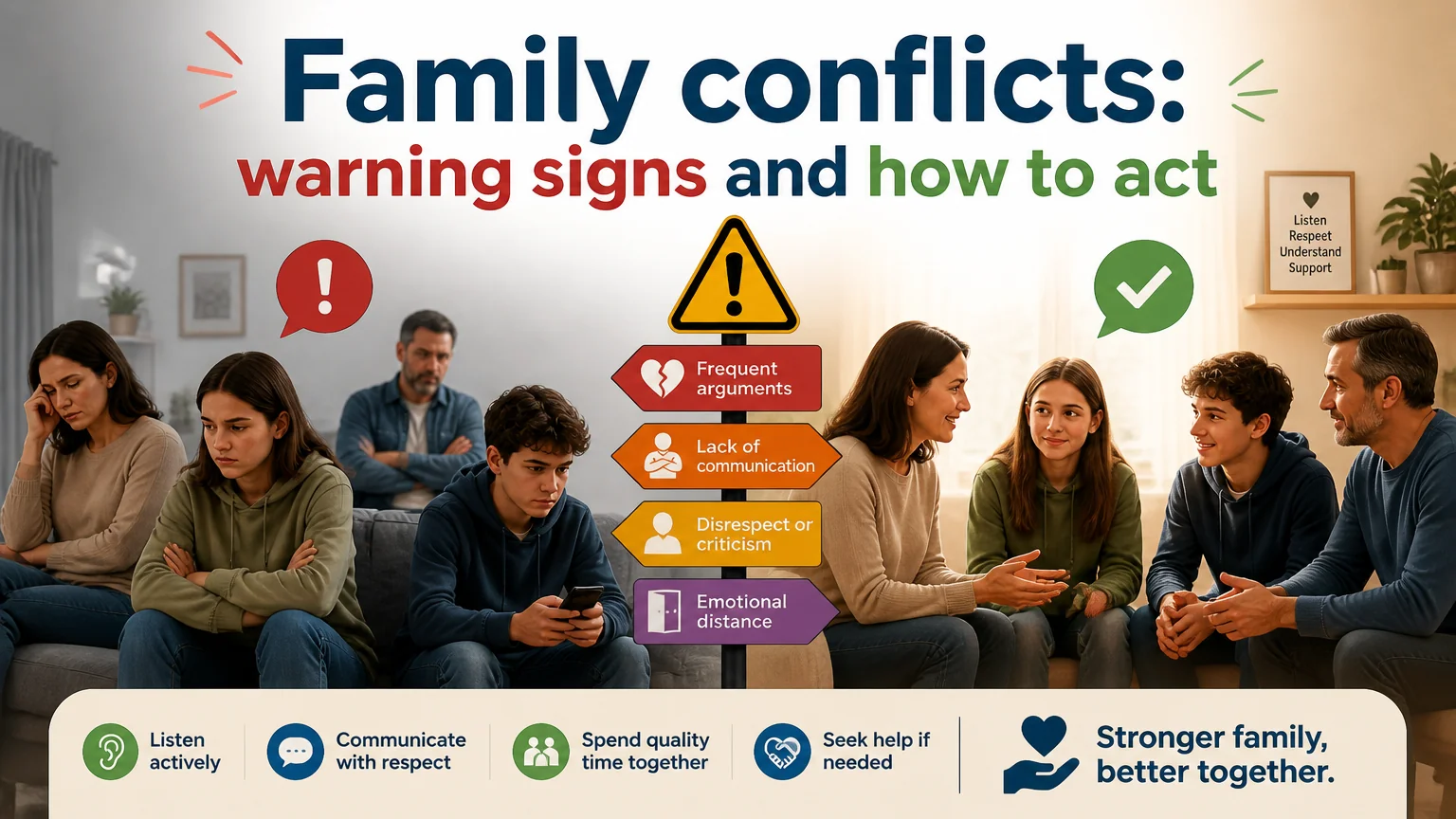
Disagreements at home are inevitable, but they can become learning opportunities if handled with calm and clarity. Preparing children for those moments doesn’t mean anticipating problems, but rather offering tools that nurture their sense of safety, their empathy, and their ability to express what they feel. With practical guidance, simple language, and visible habits, it’s possible for them to develop skills to understand what’s happening, take care of themselves, and collaborate on solutions.
Conflict is not synonymous with fighting: it is a difference in needs, expectations, or points of view. When children understand this, fear decreases and the sense of control grows. They also learn that arguing respectfully is a natural part of living together and that healthy relationships include disagreements and repairs. The key is to show that everyone can make mistakes and improve, and that at home there are clear rules for speaking and listening to each other.
Avoid blaming someone in front of children and correct rumors with simple facts. If they ask, respond with honesty and brevity. Always reaffirm affection and stability: love and care do not depend on a disagreement.
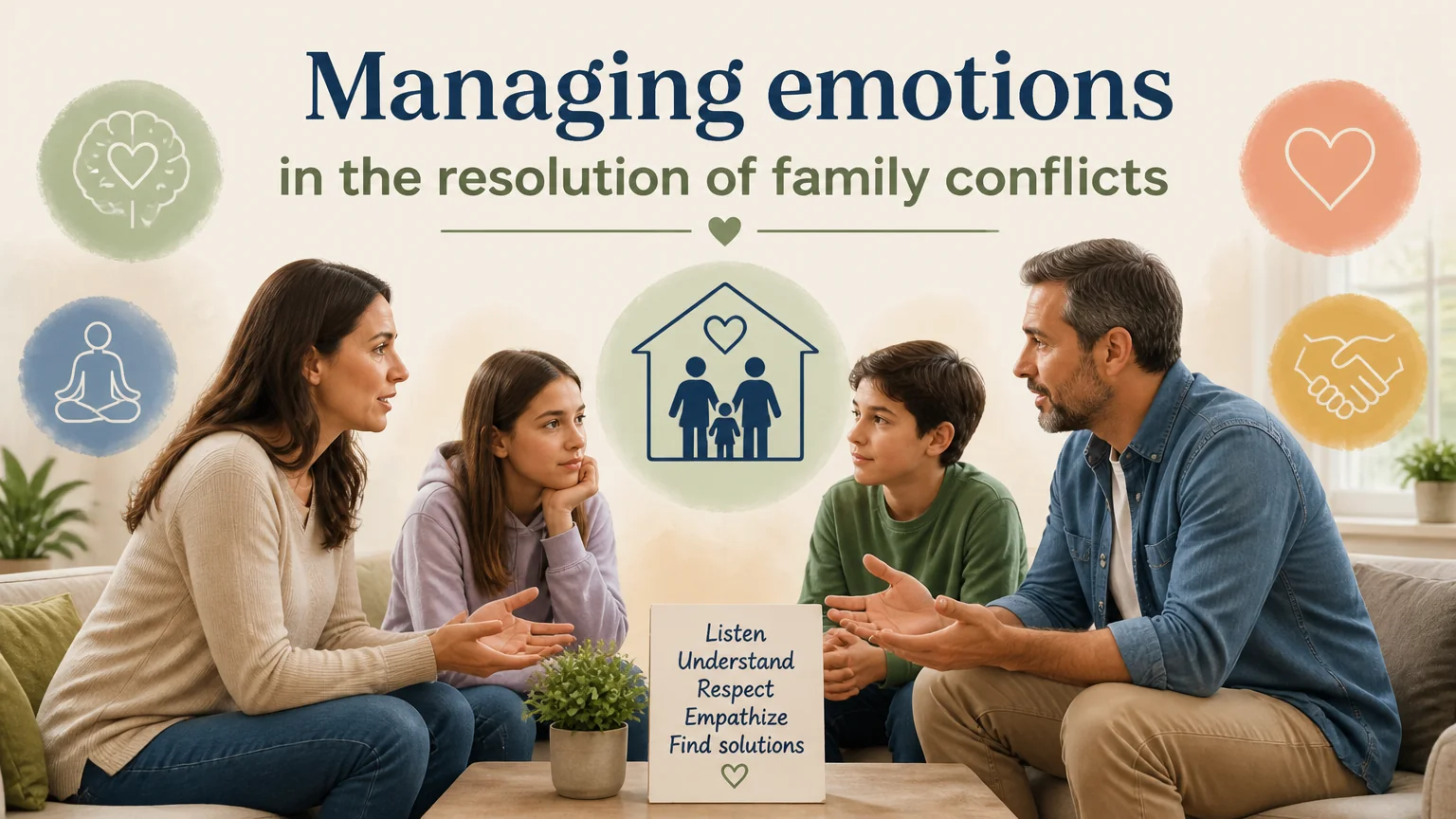
Help put words to what they feel: “It seems you’re confused and a little scared.” Validating is not the same as allowing harmful behaviors; it is recognizing the emotion and supporting them in transforming it. When they feel seen, the intensity goes down and they can think better.
Practicing these techniques in calm moments increases the likelihood of using them when there is tension.
Predictability reduces anxiety. Setting schedules, welcome and farewell rituals, and a space to talk each week provides support. Clear limits indicate which behaviors are acceptable and what consequences there are when they are crossed, always with respect and without shaming.
Children learn more from what they see than from what they hear. If adults apologize, regulate their emotions, and seek collaborative solutions, they are teaching essential skills. Showing responsible vulnerability (“I need five minutes to calm down”) and consistency with limits builds trust and reduces fear in the face of tension.
If there is violence or fear that someone may be hurt, prioritize safety and seek professional help and support from formal networks. It is also valid to seek guidance from pediatrics, psychology, or community services when disagreements become recurring or difficult to manage.
Preparation doesn’t eliminate conflicts, but it transforms their impact. With clear language, consistent habits, and simple strategies, children learn to identify what they feel, to take care of themselves, and to relate better. It is a continuous process: every conversation and every repair add up to confidence, resilience, and well-being for the whole family.
Do you prefer learning by watching and listening? Expand your knowledge with these free videos related to this topic.
Reclaim parental authority and restore a healthy family hierarchy to resolve conflict, stop children taking charge, and bring balance and respect back home.
Watch VideoLearn how to recognize and overcome guilt and confusion, reclaiming firm, healthy, and loving parental authority with confidence and care as a parent.
Watch VideoLearn how everyday language weakens parental authority, why not to call children Mommy or Daddy, and how to affirm your role with warmth and clear limits.
Watch VideoSearch
Popular searches